 EN
EN

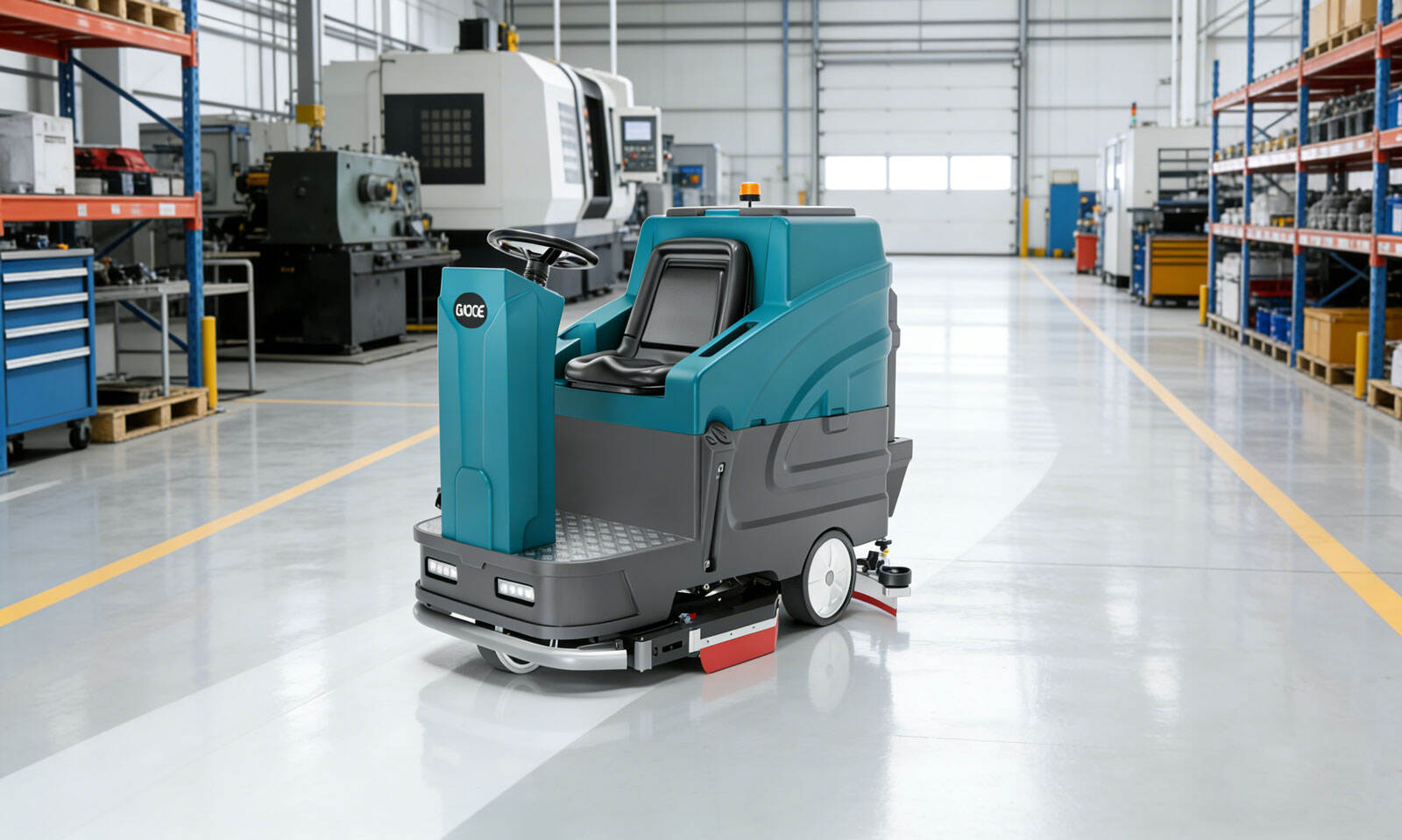
Strategic Integration of Floor Cleaner Machine in High-Traffic Workshops
Real-world implementation: Automotive repair bay with dual-shift operations
Workshops running two shifts a day show just how effective industrial floor cleaners can be at cutting down on cleaning time. When one shop installed these automated scrubbing systems, they cut their cleaning staff workload by about three quarters and kept dust levels well under what OSHA considers safe. These machines get deployed fast enough to handle oil spills and metal bits right after cars come off the service bay, so nobody slips and nobody has to stop working for cleanup. Shop managers tell us they're getting back around 45 minutes each shift that used to go into sweeping by hand. That adds up to roughly 30 extra hours a month that technicians can actually charge customers for instead of wasting on housekeeping tasks.
Smart evolution: IoT-connected floor cleaner machines with real-time soil detection and adaptive cleaning
Today's advanced floor cleaning equipment comes equipped with IoT sensors capable of recognizing different kinds of contaminants on their own. These smart systems can detect things like oil thickness, how much dirt is present, and leftover chemicals. Once identified, they automatically change settings such as water pressure levels, brush rotation speeds, and how much detergent gets dispensed. Businesses that have adopted these self-adjusting cleaners report cutting down on chemical usage by around 40%, all while still meeting strict hygiene requirements. The machines also feature built-in analysis tools that send warnings when maintenance is needed and figure out the best paths for scrubbers to take during slow periods at work sites. What used to be just another daily task has become something strategic for operations managers who track performance metrics alongside other business goals. For those interested in workplace safety regulations, understanding OSHA's guidelines regarding cleanliness remains essential for facility management teams.
Visible Tidiness as a Catalyst for Broader Operational Excellence
The cleanliness-safety link: Correlation between consistent floor cleaner machine use and reduced incident rates
According to OSHA data from 2023, shops that have switched to automatic floor cleaning systems see about 30% fewer slips and falls than places still using brooms and mops. The reason? These machines constantly sweep away oily spills and metal shavings that often go unnoticed until someone gets hurt. Clean floors make a real difference too. Workers tend to follow other safety rules more carefully when they can actually see what's going on underfoot, which helps build better habits across the whole operation.
Zoned cleaning protocols: Optimizing floor cleaner machine performance across oil-prone, assembly, and inspection zones
Strategic zoning aligns machine capabilities with zone-specific risks and operational rhythms:
| Zone Type | Cleaning Frequency | Machine Settings |
|---|---|---|
| Oil-Prone Areas | 2x per shift | High-suction scrub mode |
| Assembly Zones | Post-shift | Medium-pressure sweep |
| Inspection Bays | Hourly | Low-noise dry vacuum |
This targeted approach cuts water and chemical usage by 45% while ensuring hazard-free conditions in mission-critical areas. Workshop managers note that clearly marked zones also heighten staff awareness of contamination risksâturning visible tidiness into an active safety cue.
FAQ Section
What benefits do automated floor cleaner machines provide in workshops?
Automated floor cleaner machines significantly reduce cleaning time, lower staff workload, and improve safety by maintaining cleaner floors free of oil spills and debris.
How do IoT-connected floor cleaning machines work?
These machines use IoT sensors to recognize contaminants like oil and dirt, and adjust their settings automatically to provide efficient cleaning while minimizing chemical use.
What impact do automatic cleaning systems have on workplace safety?
They reduce slips and falls by constantly cleaning surfaces, and enhance overall safety compliance by making cleanliness more visible to workers.
How does strategic zoning optimize floor cleaning in workshops?
Zoning aligns machine settings with specific area requirements, thus optimizing cleaning performance and reducing chemical and water usage.
