 EN
EN

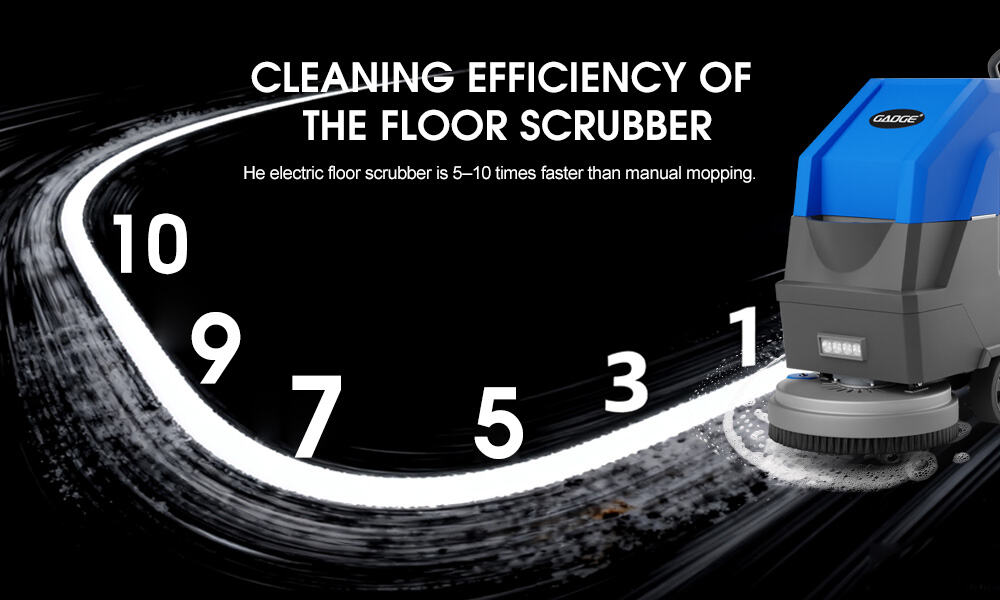
What Determines the Cleaning Speed of an Electric Floor Scrubber?
Key performance metrics: Operating width, forward speed, and dwell time
When it comes to how well cleaning equipment works, three main factors stand out: how wide the machine cleans at once, how fast it moves forward, and how long the brushes stay in contact with the floor. Most commercial machines have an operating width between 20 and 30 inches. This matters because wider paths mean less backtracking and can save anywhere from 30 to 50 percent of cleaning time when working across large open spaces. Then there's the forward speed, usually around 2 to 4 miles per hour for standard units. While going faster seems efficient, it actually risks leaving dirt behind if the dwell time isn't right. Dwell time refers to how long those brushes actually rub against each part of the surface they're supposed to clean. Good quality scrubbers balance all these aspects using controls for brush rotation speed and water distribution systems. With proper setup, these machines typically handle between 15,000 and 20,000 square feet every hour on regular flooring materials.
How real-world factors—floor type, soil load, and operator technique—affect actual speed
Actual cleaning rates rarely match lab-rated speeds due to environmental variables:
- Floor Type: Textured concrete requires ~40% slower passes than smooth vinyl to achieve equivalent cleanliness; porous surfaces demand higher solution volumes, interrupting workflow continuity.
- Soil Load: Heavy oil or grease buildup can halve forward speed, often requiring multiple passes or chemical pre-treatment.
- Operator Technique: Inconsistent overlap creates missed zones, while improper squeegee angles cause rewetting—increasing dry-time by 15 minutes per 1,000 sq ft.
Facility layouts further constrain performance: aisles under 5 ft wide reduce effective operating width by 25%. With regular operator training and soil-level assessments, facilities typically sustain 70–85% of maximum rated speed in real-world commercial use.
Battery Runtime and Its Impact on Sustained Cleaning Speed
Lithium-ion power: Enabling consistent speed over 3+ hours without voltage drop
Today's electric floor scrubbers are moving away from traditional lead-acid packs toward lithium-ion technology because these newer batteries keep machines running at full speed even through long workdays. Lead acid options tend to lose power once they hit around half charge, causing voltage drops that affect performance. Lithium batteries stay strong all the way through their charge cycle, so brushes apply even pressure and wheels maintain steady movement without sudden slowdowns. Most models can handle three to five hours of nonstop cleaning before needing a recharge, and when they do stop, they come back online much faster than older systems. Many commercial units now include built-in cooling systems that protect against heat buildup during heavy duty jobs, which means fewer breakdowns and longer lasting batteries overall something facility managers really appreciate during those busy days when every minute counts.
Runtime vs. speed trade-offs: Why faster models demand optimized battery management
| Factor | Low-Speed Impact | High-Speed Impact |
|---|---|---|
| Energy Consumption | 15–20% less | 25–30% increase |
| Runtime | Up to 5.5 hours | Reduced 30–40% |
| Heat Generation | Moderate | Significant spike |
Fast moving scrubbers need good battery management systems or BMS if they want to keep going without stopping too often. When these machines go faster, their batteries drain quicker, so the system has to constantly adjust how much power goes where. During actual cleaning work, most of the energy goes to the motors that make them move forward, but when turning corners or maneuvering around obstacles, the demand drops off significantly. The best BMS setups watch what's happening second by second and split up the available juice between wheels, brushes spinning around, and suction power. This helps avoid those annoying mid-job shutdowns that happen especially bad in big warehouses or shopping centers. Keeping batteries cool is another important factor since overheating can really shorten their lifespan. For businesses running these cleaners all day long every day, proper thermal control means less downtime and money saved on replacements over time.
One-Pass Efficiency: How Electric Floor Scrubber Design Maximizes Speed Without Sacrificing Results
Integrated scrubbing, vacuuming, and drying for true single-pass cleaning
Modern electric floor scrubbers combine scrubbing, dirt removal, and drying all in one go through the floor. The spinning brushes get rid of grime and gunk, then the vacuum sucks up the dirty water right away so there's no need for extra mopping or waiting for things to dry. Floors stay wetter for longer with old methods, but these machines have specially designed squeegees that wipe everything clean almost instantly. That means people can walk on them again much sooner without worrying about slips and falls. Cleaning takes about half the time compared to what it used to be when doing each step separately. Works great on pretty much any surface too - tiles, concrete, even those shiny epoxy floors common in industrial settings. Warehouse managers especially love this stuff because they save money on both labor hours and overall operating expenses since the machines don't need to make multiple passes over the same area.
Smart water delivery and squeegee dynamics that prevent rework and slowdowns
The precision fluid system puts out just enough cleaning solution based on what it sees happening right there on the spot, so we don't end up with floors soaked through or left streaky. Those dispensers controlled by sensors know exactly when to turn up or down depending on whether we're dealing with tile, carpet, or something else entirely. This cuts down on having to rewash areas by about thirty percent according to field tests. What really makes these machines stand out are those angled squeegees with their double rubber edges. They create this tight seal against all kinds of surfaces, even ones that aren't completely flat, which means no more standing water after cleaning. The pressure adjusts itself as needed too, keeping good contact with the floor throughout each pass around corners and through doorways. None of those frustrating dry patches where dirt sticks around or sections getting missed because the machine lost track. All these design elements work together to keep things moving smoothly without stopping, letting cleaners maintain top speed while using roughly seventy percent less water compared to older models from back in the day.
Matching Electric Floor Scrubber Speed to Facility Type and Scale
Walk-behind vs. rider vs. autonomous: Speed profiles across use cases
Getting the most out of cleaning operations starts with picking the right equipment based on how big the space is and what it looks like. Walk behind machines can clean around 1,200 square feet per hour, which works great for smaller areas below 5,000 square feet. Think places like store stock rooms or hallways in schools where there isn't much open space. Rider operated scrubbers are better suited for medium to large facilities ranging from 5,000 up to 100,000 square feet. These include things like warehouses and distribution centers because they have wider sweeping paths and let operators work faster. For those really huge warehouses that go beyond 100,000 square feet, autonomous cleaning systems shine brightest. They run non stop thanks to smart routing software that knows exactly where to go next. No matter which system gets chosen, modern lithium ion batteries keep everything running at full speed for over three hours straight without needing to stop for recharging during shifts.
Industry benchmarks: Retail, healthcare, and warehousing — where speed meets compliance
Smaller retail stores below 10,000 square feet need equipment that can move easily through tight spaces. Walk behind scrubbers work great here because they let staff clean around display racks and store fixtures quickly without damaging anything or leaving puddles everywhere. For bigger healthcare buildings over 20,000 square feet, things get different. These places need special orbital scrubbing tech along with fast drying systems since they have strict infection control rules when patients come and go throughout the day. The emphasis shifts from just getting the job done fast to making sure chemicals stay on surfaces long enough to kill germs properly. Warehouses see some serious improvements though. Big logistics centers are reporting about 45 percent faster shift changes when workers use ride on scrubbers equipped with better water collection systems according to what came out in last year's Logistics Efficiency Report. Every industry has its own priorities when it comes to cleaning speed versus regulations. Hospitals care most about proper chemical dwell times and proving their disinfection methods work, whereas warehouse managers worry more about saving water (some advanced systems cut usage by around 60%) and keeping operations running smoothly.
Frequently Asked Questions
What key factors determine the cleaning speed of an electric floor scrubber?
The key factors are the operating width, forward speed, and dwell time of the machine.
How does battery technology impact the performance of electric floor scrubbers?
Lithium-ion batteries offer consistent power without voltage drop, allowing for longer sustained cleaning speeds compared to lead-acid batteries.
What types of facilities benefit most from high-speed electric floor scrubbers?
Larger facilities such as warehouses and distribution centers benefit, as they require more efficient cleaning over vast areas.
Table of Contents
- What Determines the Cleaning Speed of an Electric Floor Scrubber?
- Battery Runtime and Its Impact on Sustained Cleaning Speed
- One-Pass Efficiency: How Electric Floor Scrubber Design Maximizes Speed Without Sacrificing Results
- Matching Electric Floor Scrubber Speed to Facility Type and Scale
- Frequently Asked Questions
