 EN
EN

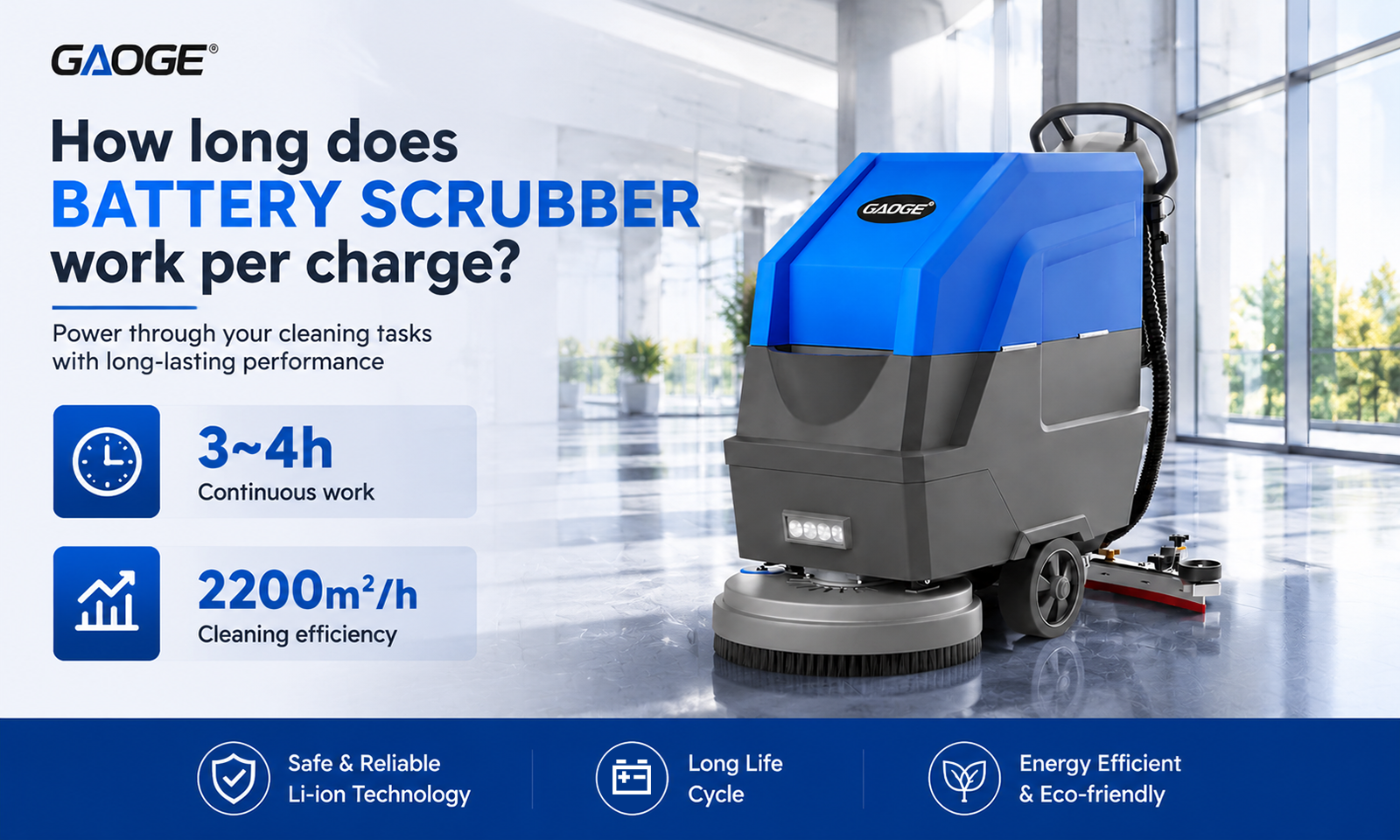
Understanding Battery Runtime in Commercial Cleaning
For any facility manager, the question of how long a battery-powered floor scrubber operates on a single charge is far more than a simple technical inquiry. It represents the heartbeat of operational efficiency in high-traffic commercial spaces. Experience in the field indicates that the runtime is not merely a static figure etched on a spec sheet, but a dynamic result of the interaction between the machine, the environment, and the surface being maintained. Cleaning teams that rely on these assets know that a machine’s ability to complete a full shift without interruption directly dictates the productivity of the entire maintenance program. Understanding the variables at play allows supervisors to transition from reactive, stop-and-go charging schedules to proactive, optimized cleaning routines that ensure floors remain immaculate throughout the busiest business hours of the day.
Factors Influencing Total Runtime Performance
A deep dive into the mechanics of floor care reveals several critical factors that dictate runtime. The friction generated between the brush and the floor surface is perhaps the most significant variable; rough, porous surfaces demand higher torque and power, which naturally draws more energy from the battery pack. Furthermore, the selection of downward pressure—often adjusted based on the intensity of soil—directly impacts energy consumption. Driving speed also plays a role, as rapid movement over expansive areas requires consistent, high-power output from the drive motor. By recognizing these technical dependencies, professionals can fine-tune their equipment settings, effectively balancing cleaning intensity with the necessity of extended operational duration, ensuring that performance remains consistent from the first square meter to the last. Consistency in performance helps teams maintain a steady pace throughout their shift.
Optimizing Battery Chemistry and Management
Battery technology has evolved significantly, offering users a choice between traditional lead-acid systems and advanced lithium-ion platforms. Industry experts frequently highlight that lithium-ion technology provides a more consistent discharge profile, allowing the machine to maintain peak suction and scrubbing performance even as the battery percentage drops. This stability is crucial for high-traffic environments where uneven cleaning quality is unacceptable to shoppers and guests. Beyond the chemistry itself, sophisticated battery management systems have become standard in high-end equipment. These systems prevent deep discharge and thermal stress, effectively extending the total lifecycle of the battery. Choosing a power system that matches the operational frequency of the facility is an authoritative step in ensuring that equipment is never a bottleneck, but rather a robust enabler of daily operations.
Strategic Planning for Extended Operational Cycles
Extending the effective coverage of a floor scrubber requires strategic planning rather than just relying on larger battery capacities. Facilities that implement structured zoning plans—grouping heavy-duty scrubbing tasks separately from routine light maintenance—often see a marked increase in efficiency. By alternating the intensity of the work based on current battery levels, operators can maximize the output of every charge cycle. Furthermore, standardizing the preparation process, such as ensuring correct water-to-chemical ratios and checking for optimal pad wear, reduces the energy wasted on ineffective cleaning passes. This expert approach allows organizations to tackle larger square footage with the same fleet of machines, significantly improving the return on investment for their capital equipment. Smart planning ensures that every minute of runtime is used effectively.
Maximizing Uptime Through Reliable Power Solutions
Reliability is the cornerstone of trust in industrial cleaning. When a scrubber stops in the middle of a task due to power failure, the cost involves not just the lost time, but the potential safety hazards of partially cleaned areas. Reliable power solutions focus on transparency and predictability. Users should demand equipment that provides clear, real-time feedback on remaining runtime and alerts before critical battery levels are reached. Transparent documentation regarding the expected performance under various load conditions allows facility managers to make informed decisions that match their operational goals. When power management is treated as a strategic component of facility maintenance rather than an afterthought, organizations can effectively mitigate the risks of operational disruption, ensuring that their investment delivers consistent results throughout the entire lifespan of the equipment.
Gaoge Manufacturing for Power-Efficient Performance
Achieving sustained, high-level performance under pressure requires a manufacturing philosophy that prioritizes engineering integrity. Gaoge brings a distinct level of expertise to this field, focusing on designing power-efficient drive systems that minimize energy loss while maximizing scrubbing output. By integrating high-performance motors with optimized power control modules, Gaoge ensures that every machine operates with remarkable energy efficiency, allowing for longer runtimes that meet the demands of even the most rigorous industrial settings. Gaoge maintains a rigorous, transparent supply chain, ensuring that every battery component and electrical circuit meets strict quality standards. This commitment to manufacturing excellence allows users to trust that the equipment they deploy will not only perform today but continue to provide long-term, reliable service. For businesses that depend on precision and continuity, partnering with Gaoge means gaining access to infrastructure designed with a deep understanding of operational realities. Through advanced engineering and a focus on power efficiency, Gaoge empowers professional cleaning teams to maintain their high standards, reinforcing a commitment to quality that stands as a reliable benchmark in the industry.
