 EN
EN

How Floor Scrubber Rental Pricing Works
Base Rate Drivers: Machine Type, Size, and Features
The cost of renting floor scrubbers depends mostly on what kind of equipment someone needs. Walk behind models usually run around 40 to 60 percent cheaper than the bigger ride on versions because they have smaller tanks and can't clean as wide an area at once. The robotic ones tend to be the priciest day rate option out there, sometimes costing two or three times what a walk behind would normally go for. These premium prices come from all those fancy navigation systems, mapping capabilities, and self operating features that make them so convenient. If a business wants lithium ion batteries instead of regular lead acid ones, or needs automatic chemical dispensers rather than having to manually dose everything, expect to pay about 15 to 25 percent extra for those upgrades. Most good rental companies throw in the basic consumables like brushes, squeegees, and filters when they rent out machines. They also typically cover routine maintenance checks and handle any unexpected breakdowns while the equipment is being used, which saves customers from getting hit with surprise repair bills later on. Weight matters too when it comes to pricing. Machines weighing over 1200 pounds will often get charged an additional 5 to 10 percent just for transportation costs since these heavy units require special trucks and handling during delivery and pickup.
Regional Variations and Seasonal Pricing Trends
Where something is located and when it's needed really affects how much people pay to rent equipment. Facilities in cities typically cost about 25% more than those out in the country because running operations downtown just costs more money overall for things like wages, insurance coverage, and getting supplies around. The seasons matter too. Most places see their busiest times right after spring starts when businesses reopen and again in autumn as stores get ready for holiday shopping, which can push daily rates up anywhere from thirty to fifty bucks extra. Cold weather areas tend to have lower prices in winter since there's not as much need for outside cleaning services, but beach towns and tourist spots keep charging similar amounts all year long thanks to steady visitors and rules that require regular cleanups. Big events like construction projects at sports arenas or conventions coming through town often make prices jump temporarily. That's why smart renters try to book ahead during slower periods like late August or January when they can still find good deals without worrying about last minute shortages.
Renting vs. Buying: Total Cost Analysis for Floor Scrubber Rental
TCO Breakdown: Upfront Cost, Maintenance, and Depreciation
Looking at Total Cost of Ownership makes it clear why renting beats buying when dealing with equipment that isn't central to operations or only needed occasionally. Buying industrial scrubbers means spending between eight thousand and fifty thousand dollars upfront just to get started. Then there's another one to five grand each year for maintenance, software fixes, and replacement parts. These machines lose about fifteen to twenty percent of their value every single year, which means the money spent on them fades away much faster than what they actually do for operations. When companies rent instead, those big unpredictable costs turn into regular monthly payments that are easier to plan for. Everything from repairs to new parts comes included in the rental agreement too. This matters a lot for businesses struggling with limited cash flow or trying to keep their finances looking good on paper. Switching from big capital investments to ongoing operating expenses gives companies more flexibility and cuts down on surprises later down the road.
When Floor Scrubber Rental Delivers Clear OPEX Advantages
Rental delivers compelling OPEX advantages in three high-impact use cases:
- Short-term projects (<6 months): Contractors completing post-construction cleanups or event venue turnovers save 60–70% versus buying.
- Seasonal demand spikes: Facilities addressing winter de-icing, summer humidity control, or annual deep cleans avoid idle equipment costs and storage overhead.
- Technology access without upgrade capital: Renters gain immediate access to water-saving nozzles, IoT-enabled fleet monitoring, or AI-driven path optimization—features that would require $15,000+ in new-equipment investment.
This model supports scalable operations, enabling facilities to align cleaning capacity precisely with need—without long-term commitments or depreciation exposure.
Hidden Fees in Floor Scrubber Rental Agreements
Common Add-Ons: Delivery, Training, Insurance, and Damage Waivers
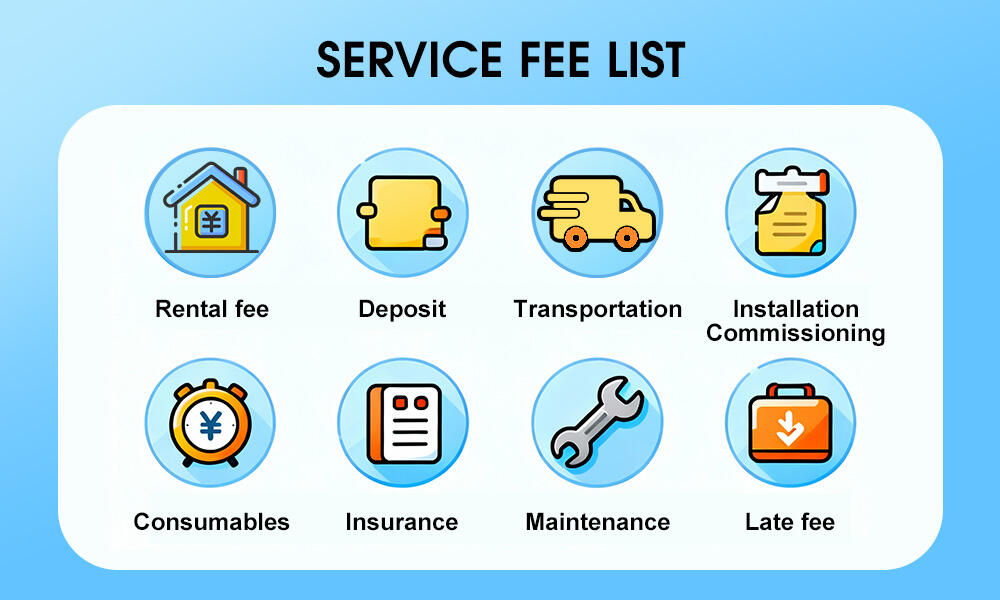
Base rental rates rarely reflect final costs. Key add-ons include:
- Delivery/Pickup Fees: Typically $75–$200 per trip, varying by distance and equipment size.
- Operator Training: Required for walk-behind and ride-on units; billed hourly at $50–$150.
- Insurance: Industry-standard coverage, costing 3–8% of equipment value monthly.
- Damage Waivers: Optional but strongly advised—adding 5–15% to the base rate. As noted in a Ponemon Institute (2023) study, uncovered damages cost U.S. facilities an average of $74,000 annually, making waivers especially strategic for high-traffic or multi-shift environments.
Red Flags to Spot Before Signing a Floor Scrubber Rental Contract
Protect your budget by scrutinizing these common pitfalls:
- Vague damage language: Terms like “normal wear” invite subjective interpretation. Insist on objective thresholds (e.g., “scratches >2 cm,” “brush wear beyond 30% bristle loss”).
- Auto-renewal clauses: Contracts that silently roll into longer, higher-rate terms without written consent.
- Fee stacking: Layered charges for training, insurance, and waivers can inflate total cost by up to 30%. Demand itemized line-item pricing—and negotiate caps on fuel, mileage, or administrative surcharges.
Always request a fully annotated contract draft before signing, and verify that all quoted fees are reflected in writing—not just verbal assurances.
Optimizing Floor Scrubber Rental Terms for Budget and Flexibility
Short-Term vs. Long-Term Rentals: Cost Efficiency by Use Case
When someone needs equipment just occasionally, say less than 15 days a month, short term rentals work best. Take construction crews doing those 30 day cleanup projects after building work finishes. They don't have to worry about storing gear, paying insurance premiums, or dealing with seasonal maintenance headaches. Things are different for places that need regular cleaning every single day though. Think big warehouses over 100k square feet or distribution centers running several shifts throughout the week. These operations can actually save between 20 to 30 percent on their daily rates by going with three month or even yearly contracts instead of daily rentals. The reason? The company spreads out their service, logistics, and paperwork costs across longer periods. But there's a catch - this only works if the facility actually uses the equipment at least 70% of the time. Going overboard with commitments leads to problems down the road either way. Either pay penalties for unused capacity or suffer losses from low utilization rates. Smart businesses base their rental agreements on real past usage numbers rather than hopeful forecasts about future demand.
Project-Based, Seasonal, and On-Demand Rental Models
Specialized rental frameworks align cost structures with real-world operational rhythms:
- Project-based: Fixed-scope contracts for discrete initiatives (e.g., hospital retrofits, school summer renovations), bundling delivery, training, and extended support.
- Seasonal: Time-bound agreements—for example, November–March salt/slush management in ski resorts or coastal venues—eliminating off-season costs.
- On-demand: Platform-enabled rentals (via provider apps or dispatch portals) deliver certified units within 4 hours for spill response or urgent sanitation needs.
These models cut annual spend by 40–60% versus full-year leases during low-usage periods. Success hinges on understanding minimum-hour commitments, climate-rated specs (e.g., heated solution tanks for sub-zero operation), and SLA-backed response guarantees—ensuring scalability doesn’t compromise reliability.
Making the Right Floor Scrubber Rental Decision
When deciding whether to rent or buy equipment, facility managers should consider three main factors: how often they need cleaning done, how long the project will last, and what it'll cost over time. For places that have busy seasons like snow removal in winter, dealing with mold during hot summers, or doing big cleanups once a year, renting makes sense because it gives them flexibility without worrying about maintenance costs or outdated tech sitting around unused. Contractors working on construction sites or organizing events find similar benefits when they go with short term rentals since the daily rate is actually cheaper than buying new gear even after including things like shipping and staff training costs. On the flip side, businesses that run their cleaners every day for 18 to 20 hours or more each week usually break even on mid sized scrubbers within about 18 to 24 months according to BOMA standards from last year. Before signing anything though, always compare different rental options against these benchmarks and carefully check contracts for those sneaky extra charges related to transportation, insurance policies that might suddenly become expensive, and vague clauses about damages that could come back to bite later on. The goal isn't just convenience but getting real value for money spent.
FAQ
What factors most influence floor scrubber rental costs?
Floor scrubber rental costs are primarily influenced by the type, size, and features of the machine. Additional costs may arise from transportation fees for heavy units and regional variations.
How do seasonal trends affect floor scrubber rental pricing?
Prices tend to be higher during busy seasons such as spring and autumn due to increased demand, while winter prices may decrease in cold weather areas due to reduced need for cleaning services.
What are the advantages of renting floor scrubbers versus buying?
Renting offers predictable monthly payments without large upfront costs, reduces maintenance and depreciation expenses, and provides flexibility, especially for companies with fluctuating cleaning needs.
What hidden fees should be considered in floor scrubber rental agreements?
Common hidden fees include delivery/pickup charges, operator training, insurance, and damage waivers. Scrutinizing these add-ons can help avoid unexpected expenses.
When is it more cost-effective to choose short-term over long-term rentals?
Short-term rentals are ideal for occasional use or short-term projects, while long-term rentals can offer savings for facilities with consistent daily cleaning needs, helping to spread out costs efficiently.
Table of Contents
- How Floor Scrubber Rental Pricing Works
- Renting vs. Buying: Total Cost Analysis for Floor Scrubber Rental
- Hidden Fees in Floor Scrubber Rental Agreements
- Optimizing Floor Scrubber Rental Terms for Budget and Flexibility
- Making the Right Floor Scrubber Rental Decision
-
FAQ
- What factors most influence floor scrubber rental costs?
- How do seasonal trends affect floor scrubber rental pricing?
- What are the advantages of renting floor scrubbers versus buying?
- What hidden fees should be considered in floor scrubber rental agreements?
- When is it more cost-effective to choose short-term over long-term rentals?
