 EN
EN

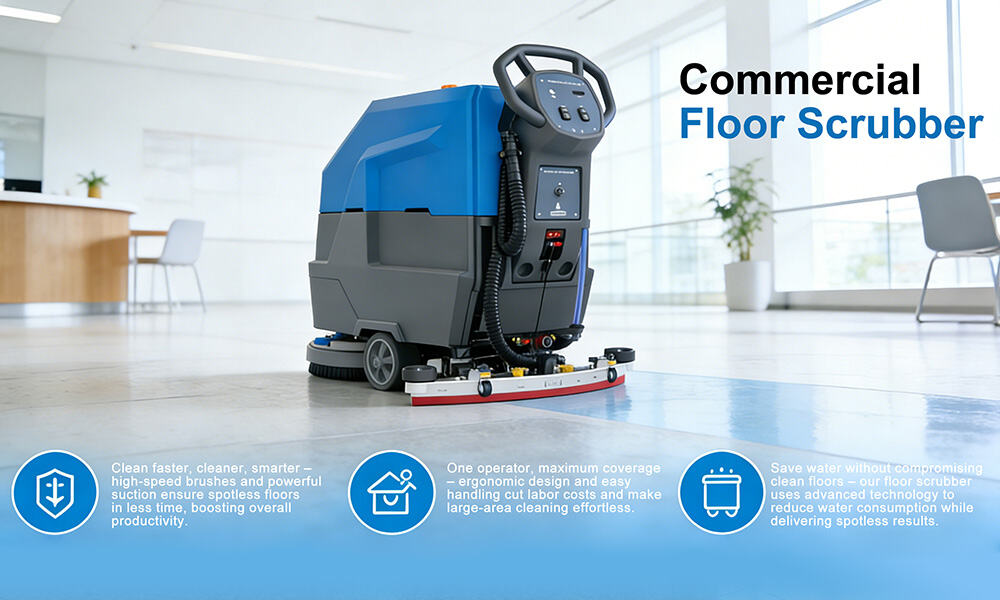
Water Savings: How Scrubber Machines Cut Consumption by Up to 95%
Advanced Electrolyzed Water Technology and Its Role in Near-Dry Cleaning
Electrolyzed water tech turns regular tap water into something really effective for cleaning without any chemicals involved. The process basically splits water molecules into two parts one alkaline and one acidic that work together to tackle dirt and germs on surfaces. What makes this approach stand out is how little water it actually needs compared to standard methods we're all used to seeing. Most places find their water usage drops somewhere between 70 to almost 95 percent, plus floors dry super fast which means fewer slips and less downtime during cleanups. Warehouse managers who've switched to these EW powered scrubbers tell us they typically save around half their water costs while completely avoiding those pesky chemical residues. Think about what that means for bigger operations running multiple shifts a day saving tens of thousands of gallons each year just sounds impressive. And since there are no harsh chemicals going through the system, there's less mineral gunk building up inside the machines too. That translates to longer lasting equipment and far fewer times when someone has to stop everything for maintenance checks.
Water Use Comparison: Traditional Mopping vs. Modern Scrubber Machines
| Cleaning Method | Daily Water Use (10,000 SF) | Annual Water Consumption | Chemical Usage |
|---|---|---|---|
| Traditional Mopping | 60–100 gallons | 22,000–36,500 gallons | High |
| Scrubber Machines | 3–5 gallons | 1,100–1,825 gallons | Low/None |
Old school mopping just doesn't cut it when looking at efficiency. Cleaning crews typically end up using anywhere from 60 to 100 gallons daily just to tackle 10,000 sq ft spaces. A lot gets lost in the process too - water soaks into floors, evaporates away, or just sits there pooling around. Modern scrubbers tell a different story though. These machines apply exactly what's needed thanks to those smart nozzles that target specific areas, plus they suck up excess liquid while running and recycle most of it back into the system. We're talking about only needing 3 to 5 gallons for the same job. Not some made up number either. The savings come from actual technology working behind the scenes like sensors adjusting flow rates on the fly, programming that adapts to different surfaces, and systems that automatically mix solutions properly. What does all this mean? Floors stay clean without getting soaked down. Less water waste means lower bills for treating that stuff later, fewer slip hazards for workers, and importantly, the floors themselves last longer without getting damaged from constant wetting.
Labor Efficiency: Automation Benefits of Scrubber Machines
Productivity Gains from Robotic and Ride-On Scrubber Machines
The introduction of robotic and ride-on scrubber machines is changing how cleaning tasks get done, basically swapping out tedious manual work for reliable automated systems. These machines come packed with features like LiDAR sensors, SLAM technology for mapping spaces, and smart path planning algorithms that let them navigate on their own once they've mapped out an area. They need someone to check in occasionally but otherwise run themselves pretty much nonstop. For ride-on models, one person can tackle around 150 thousand square feet during a regular shift, which beats traditional mopping methods or walk behind units by about half to two thirds in terms of speed. The machines have programmable settings so they apply the same amount of pressure and spend equal time on each surface throughout the cleaning process. Plus, their design takes ergonomics seriously, meaning cleaners don't get as tired or injured from lifting heavy buckets and pushing equipment around all day long. All these improvements cut down on what companies spend per square foot cleaned and allows workers to focus on things that actually matter, such as making sure everything looks good and running the facility smoothly instead of just scrubbing floors.
Real-World Labor Reduction: Case Study from a 300,000-SF Distribution Center
At a massive distribution facility covering around 300k square feet, they swapped out all those old fashioned mops for a bunch of self-driving scrubbing machines controlled by just one person overseeing everything. Before this change happened, it took four cleaners working solidly for five hours during each shift to tackle different sections of flooring, adding up to no less than twenty man hours every single day. Once these robots rolled in, they managed to clean the entire space within three hours flat, and nobody had to lift a mop again. The overall productivity shot up by nearly two thirds, and those freed up workers got reassigned to things like checking inventory counts, running through safety checks, and doing regular equipment maintenance work which actually made the whole operation run smoother and cleaner. Management reported saving hundreds of thousands annually on labor costs too, all while keeping their floors spotless according to independent hygiene tests using ATP technology.
Total Cost of Ownership: Evaluating Long-Term Value of Scrubber Machines
When evaluating commercial cleaning equipment, focusing solely on purchase price obscures the true financial impact. Total cost of ownership (TCO) reveals the full picture by integrating:
- Initial investment
- Ongoing operational costs (water, electricity, cleaning solutions)
- Maintenance and repair expenses
- Labor requirements for operation and upkeep
- Equipment lifespan and productivity impact
The real money saver comes from high efficiency scrubbers which offer some serious total cost of ownership benefits. Take water usage for instance these machines can cut consumption by as much as 95% compared to traditional mopping methods. Plus factories report significant improvements in labor efficiency after switching to these systems. Most units last around 5 to 8 years when properly maintained, and rarely cause unexpected shutdowns during operation. Pair them with electrolyzed water technology or implement smart dosing solutions and companies see even greater reductions in chemical expenses while staying ahead of environmental regulations. Many businesses running annual TCO assessments find that investing more initially actually pays off within just 18 months. What used to be seen as simple overhead suddenly becomes something that directly supports both green initiatives and overall profitability.
FAQ
How does electrolyzed water technology work in scrubber machines?
Electrolyzed water technology transforms regular tap water into a potent cleaning agent by splitting water molecules into alkaline and acidic components. This allows scrubbers to clean effectively without chemicals, drastically reducing water usage.
What are the benefits of using scrubber machines over traditional mopping?
Scrubber machines use significantly less water and no harsh chemicals, reducing waste and slip hazards while prolonging floor lifespan. They also automate cleaning processes, improving labor efficiency and productivity.
How do scrubber machines enhance labor efficiency?
Modern scrubber machines, including robotic and ride-on models, automate cleaning tasks with advanced sensors and path planning technology, enabling large areas to be cleaned faster with less manpower.
What is the total cost of ownership for scrubber machines?
Scrubber machines offer long-term savings by reducing water and chemical consumption, lowering labor costs, and decreasing maintenance expenses. Despite the higher initial investment, they often pay off within 18 months by supporting both profitability and environmental goals.
