 EN
EN

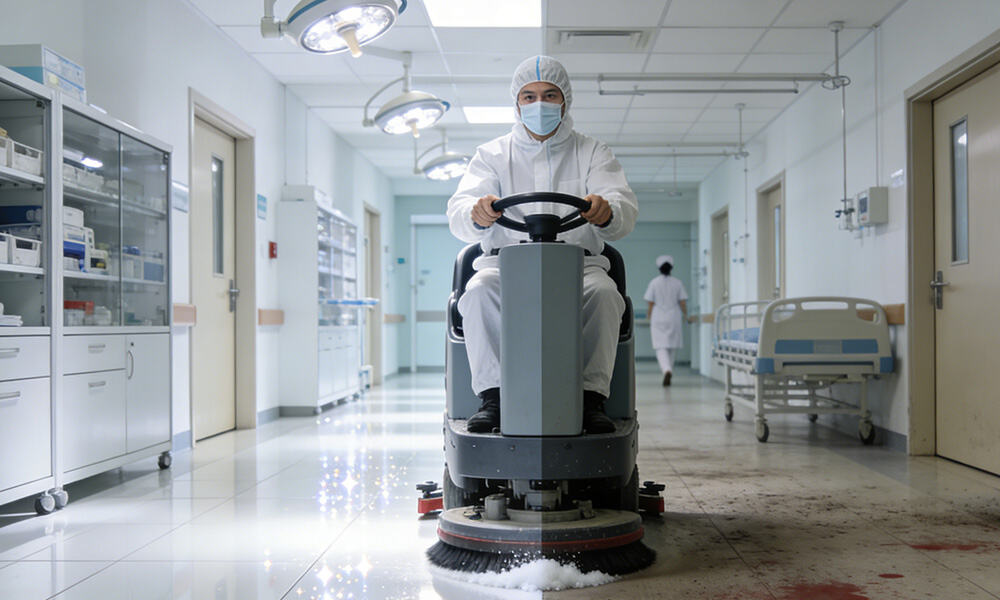
Time Savings: Accelerating Cleaning Cycles with a Floor Scrubber Machine
Coverage rate and cleaning speed (sqft/h) vs. manual mopping
Floor scrubber machines clean way faster than old school mopping techniques. They can cover around 20,000 square feet per hour while regular mops manage only about 1,500 to 3,000 square feet. That means cleaning takes roughly half to three quarters less time overall. What used to take an entire hour now gets done in just 15 to 20 minutes most of the time. No more constant wringing out mops or stopping every few minutes to refill buckets. Workers don't have to worry about scrubbing some areas too much and missing others completely. All this frees up staff to handle other important tasks during their shifts without sacrificing how clean the floors actually get.
Consistent, high-quality finish in a single pass
Manual cleaning leaves a lot to chance since different people apply varying amounts of pressure, pour out different volumes of solution, and use their own techniques. Floor scrubbers change all that by applying consistent brush pressure and spreading chemicals evenly over each square foot of flooring. The newer models can actually sense what kind of surface they're working on and tweak the brush force and solution flow accordingly, which means clean floors without streaks after just one go around. No need for going back over spots or doing extra work later on. Time saved and better quality aren't mutually exclusive when using these machines either, contrary to what some might think.
Labor Optimization: Reducing Manual Effort and Boosting Staff Productivity
Eliminating repetitive scrubbing, wringing, and rinsing tasks
Studies show manual floor cleaning takes about 65% more time compared to using machines for the job. The repetitive work involved in scrubbing floors, squeezing out wet mops, and dragging buckets around accounts for roughly 30% of all injuries among janitorial staff, mostly back and muscle problems from constant bending and lifting. Modern floor scrubbers take care of those tough physical jobs automatically with spinning brushes, built-in chemical dispensers, and systems that suck up dirty water as they go. According to recent findings published in the Ergonomics Journal last year, workers report feeling 78% less tired after switching to these machines. This means employees can spend their energy on important details instead of just pushing brooms around all day long. They get to check spots need extra attention, verify surfaces are properly disinfected, and even do regular maintenance checks on building equipment between cleaning rounds.
Role of autonomous robotic floor scrubber machines in labor reduction
Robotic scrubbers that work on their own are taking labor efficiency way past what humans can manage in a single shift. These machines use LiDAR tech to navigate around and spot obstacles as they go, so they can clean mapped areas without anyone watching them most nights or when foot traffic is light. According to Facility Maintenance Report data from last year, places using these robots see about half the night crew workload compared to traditional walk behind cleaners. That translates roughly to saving 1.5 full time workers worth of labor each year for every robot deployed. Cleaning at odd hours means floors are ready to go first thing in morning, cuts down on disruptions during business hours, and frees up staff members to do something besides push mops around all day. Instead, workers handle exceptions and monitor systems, which makes sense for companies looking to scale up their cleaning operations while still keeping costs under control.
Technology-Enhanced Efficiency: Lithium Power, Rapid Drying, and Smart Controls
Lithium-ion batteries: longer runtime, faster charging, and sustained power output
The switch to lithium ion batteries has really changed what we can expect from floor scrubbers when it comes to running time and overall performance. These new systems last about twice as long between charges compared to older models. What's even better? A full charge takes less than two hours instead of the eight hours needed for traditional lead acid batteries. The voltage stays steady all the way through until the battery runs down, which means the brushes keep spinning at the same power level and the vacuum doesn't lose strength halfway through cleaning. Since there's no memory effect issue, workers can just plug in for quick top ups whenever needed without worrying about damaging the battery over time. Most lithium batteries will handle over 2000 complete charge cycles before needing replacement. This translates to fewer replacements required and ultimately cheaper operating costs per square foot cleaned. For facility managers, this means getting more done each day with less interruption from charging breaks.
Advanced drying systems enabling immediate floor re-entry
Today's scrubber technology combines powerful vacuum systems with specially designed squeegees that can pick up more than 95% of wetness right off surfaces during one sweep. What does this mean for facilities? People can walk across cleaned floors almost immediately instead of waiting around for hours. No more slips and falls, no delays when staff need access to cleaned areas in stores, hospitals, factories and other commercial spaces. The quick drying time stops water from seeping into those tricky grout gaps between tiles or getting absorbed by nearby materials. It keeps floor coatings looking good longer too. Best part? There's no need to wait after cleaning before resuming normal activities. For building managers, this means cleaning becomes something that fits smoothly into daily routines rather than causing interruptions throughout the day.
Total Cost of Ownership Reduction Through Floor Scrubber Machine Efficiency
Putting in place a floor scrubber actually brings down the total cost of owning and running the equipment way more than just the upfront price tag covers. Most places find that labor makes up over half their cleaning budget, sometimes as much as 60%. But when they switch to automatic scrubbers, things change quite a bit. These machines cover areas faster so there's less need for people to go back over spots again and again. Staff can be moved to other tasks where they're needed more. Water and chemicals? Those get used about 30 to 40 percent less because the dispensers are controlled precisely. And the lithium batteries these days eat up far less energy than older models did, plus they last longer before needing replacing. The smart systems built into modern scrubbers also help them run for around 5 to 8 years before major service is needed. When parts start acting up, the machine itself will often warn operators ahead of time, which saves money on unexpected breakdowns. Looking at what's happening across industries right now, companies that invest wisely in good cleaning tech usually see their overall costs drop by about 30% within five years. That means cleaning stops being just another expense item on the books and starts contributing directly to how efficiently operations run day to day.
FAQ Section
What is the cleaning capacity of a floor scrubber machine compared to manual mopping?
Floor scrubber machines can clean around 20,000 square feet per hour, whereas manual mopping covers only about 1,500 to 3,000 square feet.
How do floor scrubber machines enhance labor workforce productivity?
Floor scrubber machines reduce manual effort by eliminating repetitive tasks such as scrubbing, wringing, and rinsing, thus allowing staff to focus on other essential responsibilities, reducing injuries, and saving energy.
What advantages do lithium-ion batteries provide?
Lithium-ion batteries offer longer runtime, faster charging, sustained power output, durability, and reduce overall operational costs.
How quickly can floors be accessed after cleaning with floor scrubber machines?
Thanks to advanced drying systems, floors can typically be accessed immediately after cleaning, preventing slips and falls and allowing seamless integration into daily routines.
Table of Contents
- Time Savings: Accelerating Cleaning Cycles with a Floor Scrubber Machine
- Labor Optimization: Reducing Manual Effort and Boosting Staff Productivity
- Technology-Enhanced Efficiency: Lithium Power, Rapid Drying, and Smart Controls
- Total Cost of Ownership Reduction Through Floor Scrubber Machine Efficiency
