 EN
EN

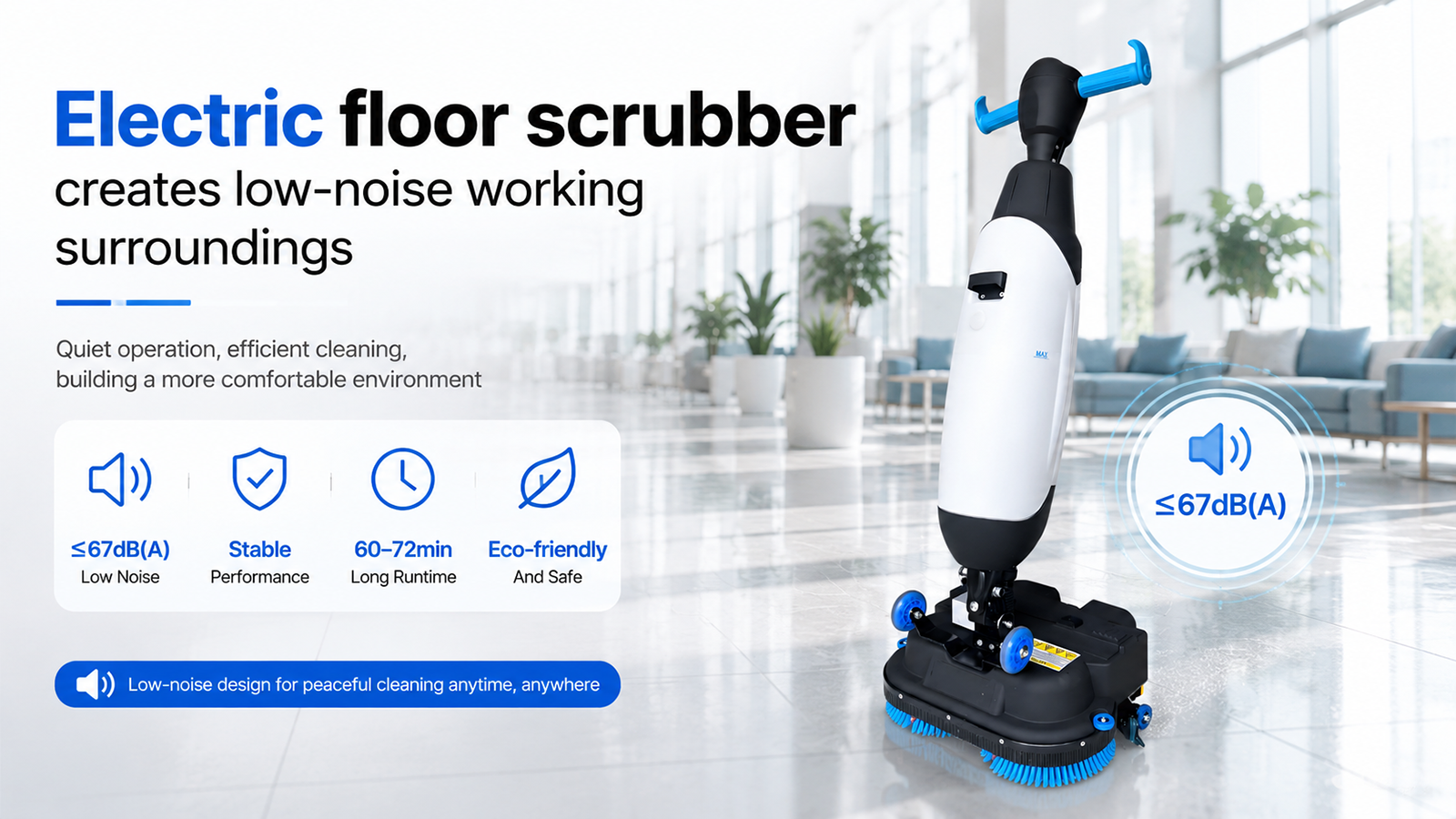
Understanding the Quiet Operation of Modern Floor Maintenance
Floor maintenance in commercial, industrial, and institutional environments often comes with a significant operational drawback: disruptive and intrusive noise. Traditional cleaning machines, particularly older corded models and heavy legacy sweepers, can generate high decibel levels that severely disturb occupants in corporate offices, educational institutions, healthcare facilities, and hospitality venues. Implementing a modern electric floor scrubber fundamentally changes this dynamic by utilizing advanced lithium or deep-cycle battery power, precision-engineered transmission gears, and significantly quieter vacuum motor housings. Facility managers, operations directors, and cleaning contractors increasingly prioritize acoustic comfort right alongside traditional cleaning efficiency and chemical dilution ratios. Modern cleaning equipment manufacturers now focus heavily on reducing acoustic sound output without compromising on scrubbing brush pressure, rotational speed, or water recovery performance. Operating a modern facility requires maintaining strict indoor acoustic standards, especially during daytime cleaning shifts or in multi-tenant commercial real estate. Quiet machinery allows dedicated cleaning staff to execute routine scrubbing tasks during regular business hours without causing noise complaints, tenant friction, or operational disruptions for nearby personnel and visiting clients. Furthermore, reduced noise pollution contributes directly to a more pleasant indoor climate, ensuring that commercial buildings remain productive and peaceful for everyone working or visiting inside the facility.
Acoustic Engineering Behind Modern Cleaning Equipment
Manufacturers achieve remarkably lower decibel ratings through meticulous acoustic engineering of vacuum motors, fluid drainage channels, and brush deck housings. An electric floor scrubber typically incorporates high-density sound-dampening foam linings around all core mechanical components to absorb high-frequency whines and low-frequency mechanical vibrations. Enclosed motor compartments successfully reduce airborne sound energy while maintaining exceptional suction power for comprehensive wastewater extraction across uneven tiled or polished concrete surfaces. Operators directly benefit from a noticeably quieter working environment that effectively prevents communication fatigue, reduces operator stress, and minimizes hearing strain over extended eight-hour operational shifts. Independent acoustic testing and decibel metering confirm that these advanced battery-powered units operate significantly below traditional combustion-engine alternatives and legacy corded scrubbing machines. The resulting acoustic profile remains smooth, uniform, and consistent rather than sharp, piercing, or erratic. This careful sound management directly supports facility compliance with strict occupational health and safety noise regulations, particularly within sensitive indoor architectural spaces such as hospitals, libraries, and high-end corporate headquarters. Advanced acoustic insulation also protects internal motor parts from moisture ingress and dust accumulation, thereby enhancing overall mechanical durability.
Practical Benefits of Low Noise Floor Care
Lower operational noise transforms daily maintenance routines and cleaning schedules across a wide multitude of commercial sectors. Educational facilities and universities can seamlessly schedule routine corridor and cafeteria cleaning between back-to-back classes without interrupting lectures, examinations, or administrative operations. Healthcare facilities, including hospitals, outpatient clinics, and rehabilitation centers, can maintain a peaceful, healing atmosphere for recovering patients while keeping public floors flawlessly spotless and sanitary. Retail spaces, supermarkets, and shopping malls heavily utilize an electric floor scrubber during active opening hours to clean expansive aisles safely without alarming shoppers or creating slip-and-fall liability risks. Employees working in modern open-plan corporate offices experience significantly fewer auditory distractions when janitorial cleaning staff operate nearby machinery during daytime turnaround windows. Reduced ambient noise levels also drastically improve situational awareness for machine operators, allowing them to clearly hear surrounding pedestrian activity, forklift traffic, and emergency warning signals. This powerful combination of high cleaning productivity and acoustic discretion creates a much more harmonious workplace ecosystem for all building occupants, boosting overall satisfaction across tenant portfolios.
Operational Efficiency and Maintenance Considerations
Achieving optimal, long-lasting performance with low-noise cleaning equipment requires strict adherence to proper daily maintenance and preventive servicing protocols. Regular, systematic inspection of polyurethane squeegee blades, flexible vacuum hoses, and rotary brush assemblies prevents annoying mechanical rattling caused by normal wear and tear over months of heavy usage. Operators should check battery terminal connections, fluid filter screens, and moving mechanical linkages routinely to ensure perfectly smooth and quiet functionality during every cleaning cycle. Utilizing appropriate, low-foam commercial cleaning solutions prevents excessive chemical bubble buildup that can prematurely overload the vacuum motor and create abnormal operational sounds. Comprehensive operator training ensures that custodial staff always select the correct water flow settings and pad pressure levels for different flooring substrates, maximizing cleaning efficacy while minimizing unnecessary mechanical strain. Reliable machinery combined with diligent preventive upkeep significantly extends total equipment lifespan and guarantees consistent daily performance across rigorous commercial cleaning contracts, ultimately lowering the total cost of facility ownership over time.
Summary of Low Noise Floor Maintenance Advantages
Adopting advanced, battery-driven cleaning technology delivers tangible, measurable benefits for overall facility hygiene, tenant satisfaction, and acoustic management. Modern commercial equipment successfully balances rigorous sanitization standards with exceptionally quiet operation to suit diverse, demanding indoor environments. Selecting reliable, acoustically optimized machinery enhances workplace comfort while maintaining pristine cleanliness levels across all accessible facility zones, ensuring long-term operational success for professional cleaning contractors.
