 EN
EN

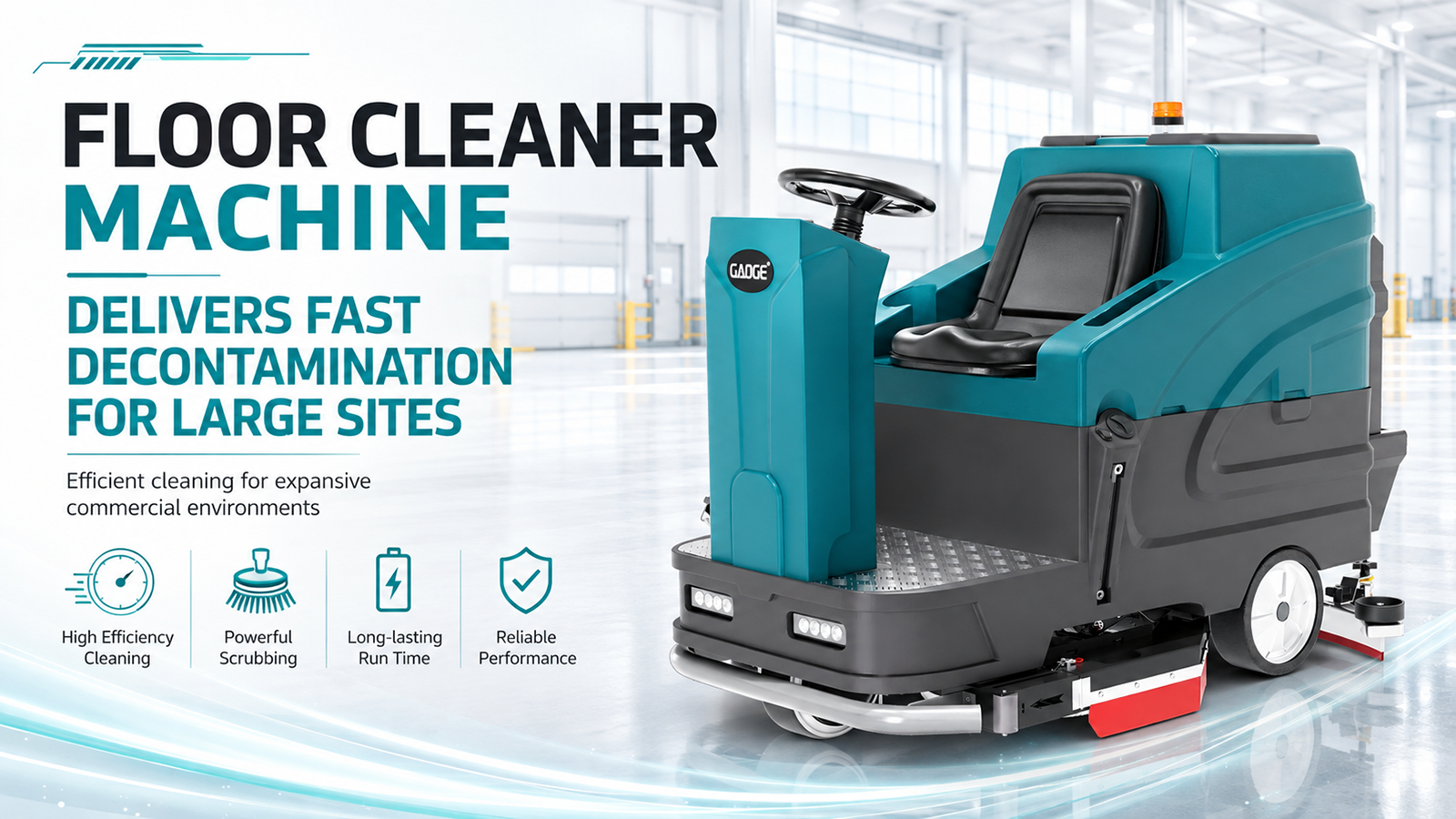
Maximizing Industrial Hygiene Across Extensive Facilities
Maintaining expansive industrial spaces, large warehouses, and sprawling distribution centers presents a massive daily challenge for facility hygiene management teams worldwide. Accumulated dust, stubborn oil spills, black tire marks, and heavy foot traffic can quickly degrade concrete or epoxy flooring if not addressed through systematic cleaning procedures. Traditional push-broom methods and legacy manual mopping are entirely inadequate for large-scale operations, often spreading grime rather than removing it completely from the porous surface. Deploying an advanced floor cleaner machine fundamentally transforms how large commercial sites approach sanitation, ensuring high throughput and rapid surface restoration. Facility directors increasingly rely on mechanized scrubbing technology to maintain pristine safety standards, prevent slip-and-fall hazards, and protect substantial capital investments in industrial flooring. Integrating automated and semi-automated cleaning systems allows operations teams to cover vast square footage efficiently during scheduled shift changes, minimizing downtime and keeping productive areas fully operational. Furthermore, maintaining high levels of facility cleanliness directly boosts employee morale, reduces airborne particulate allergens, and establishes a professional corporate image for visiting enterprise clients and regulatory inspectors. Consistent hygiene standards also prevent premature surface degradation, saving companies millions in costly structural floor repairs over time.
Engineering Mechanics Behind Rapid Decontamination
Achieving fast and effective surface decontamination across sprawling industrial complexes requires a harmonious blend of mechanical brush pressure, controlled solution delivery, and powerful vacuum suction. Modern cleaning equipment relies on high-torque brush motors that drive heavy-duty scrubbing pads or cylindrical brushes into microscopic floor pores, dislodging deeply embedded grease and stubborn particulate matter instantly. A high-performance floor cleaner machine incorporates optimized fluid distribution valves that release precise water and detergent ratios, preventing excessive chemical pooling while maximizing soil suspension. Once the detergent breaks down surface contaminants, the wide rear squeegee assembly immediately captures the dirty wastewater, leaving the floor instantly dry, safe, and ready for transit. This rapid multi-step process eliminates the extended drying times associated with traditional bucket cleaning, allowing forklift traffic and warehouse personnel to resume normal operations without dangerous delays. Furthermore, robust battery management systems provide extended runtimes, ensuring that operators can tackle massive square-foot zones in a single uninterrupted workflow. Advanced engineering designs also focus on ergonomic steering controls and intuitive dashboard interfaces, reducing operator fatigue during prolonged cleaning shifts and maximizing daily productivity.
Practical Applications in Industrial and Commercial Sectors
The implementation of heavy-duty cleaning technology delivers immediate, measurable improvements across diverse industrial and commercial environments. Large logistics hubs and distribution centers utilize a commercial floor cleaner machine to rapidly clear tire rubber marks and dust accumulation from polished concrete loading bays. Manufacturing plants dealing with machining oils and metal shavings rely on these robust machines to maintain strict occupational health standards and prevent hazardous floor slipperiness. Large retail hypermarkets and wholesale exhibition centers schedule daytime maintenance shifts to scrub expansive customer walkways swiftly without disrupting shoppers or blocking merchandise aisles. Airport terminals and massive transit hubs depend on continuous, high-efficiency scrubbing to manage heavy foot traffic and maintain spotless public spaces around the clock. By streamlining sanitation across these demanding sectors, facility operators reduce labor overhead, decrease injury liabilities, and sustain a consistently professional presentation throughout their entire operational footprint. Moreover, adapting cleaning routines to fit specific industry demands guarantees maximum regulatory compliance across all regional safety authorities.
Operational Efficiency and Preventive Maintenance Protocols
Maximizing the long-term utility and cleaning efficacy of industrial sanitation equipment requires strict adherence to routine operational protocols and preventive maintenance. Operators must regularly inspect polyurethane squeegee blades for uneven wear or tearing to ensure complete water pickup and streak-free drying results across every cleaning pass. Routine checking of battery terminal connections, fluid filter screens, and rotating brush assemblies prevents unexpected mechanical downtime during critical shift operations. Utilizing approved, low-foam cleaning chemicals prevents excessive sudsing that can prematurely overload the internal vacuum motor and degrade suction performance. Comprehensive staff training ensures that cleaning personnel select the appropriate down-pressure and solution flow settings for specific flooring substrates, thereby preventing unnecessary mechanical wear while achieving optimal cleanliness. Diligent daily upkeep combined with robust equipment engineering guarantees a prolonged service life and consistent daily performance across rigorous industrial maintenance contracts, ultimately lowering the total cost of ownership for facility management teams.
Environmental Sustainability in Modern Floor Care
Modern facility management increasingly emphasizes sustainable practices that minimize environmental impact without sacrificing cleaning performance. Energy-efficient battery chargers and eco-friendly detergent dosing systems reduce water consumption and chemical waste across large-scale operations. Utilizing a high-efficiency floor cleaner machine supports green building certifications by lowering overall energy consumption and conserving water resources during daily sanitation cycles.
Summary of High-Efficiency Floor Decontamination
Adopting modern industrial cleaning technology provides tangible advantages for large-scale facility maintenance, safety compliance, and operational productivity. Selecting reliable, robust sanitation machinery ensures that expansive commercial sites remain spotless, safe, and fully operational with minimal labor strain, securing long-term success for enterprise operations.
Table of Contents
- Maximizing Industrial Hygiene Across Extensive Facilities
- Engineering Mechanics Behind Rapid Decontamination
- Practical Applications in Industrial and Commercial Sectors
- Operational Efficiency and Preventive Maintenance Protocols
- Environmental Sustainability in Modern Floor Care
- Summary of High-Efficiency Floor Decontamination
