 EN
EN

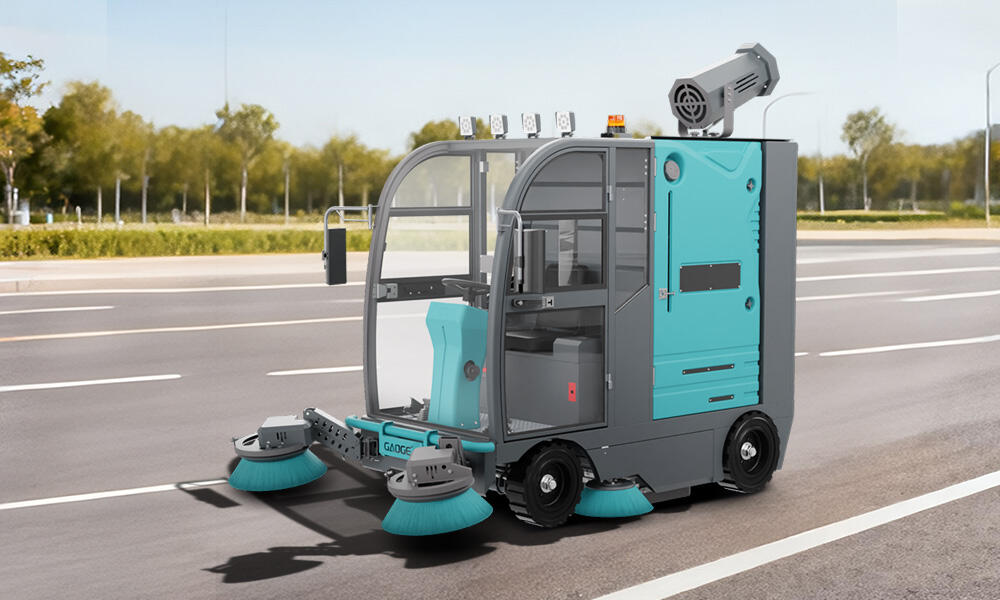
Understanding Street Sweeping Efficiency Through Technological Integration
Modern road sweepers achieve high efficiency through integrated systems that combine mechanical action, airflow control, and smart monitoring. Studies show models using hydraulic mechanical transmissions deliver 25% higher operational efficiency than traditional units by optimizing power distribution across cleaning modes (Cao et al. 2023). Key innovations include:
- Adaptive torque control: Uses fuzzy logic algorithms to adjust brush pressure based on debris volume, maintaining 90% cleaning consistency across surfaces.
- Automated debris detection: Cameras with deep neural networks identify litter concentration and trigger localized suction boosts, reducing energy use in clean zones.
This integration enables municipalities to meet EPA stormwater pollutant removal standards while cutting fuel consumption by up to 18% compared to legacy systems.
Mechanics of Road Sweepers: How Brooms, Vacuum, and Water Systems Work Together
Three core systems operate in tandem within modern road sweepers:
- Rotating brooms (6–12 RPM) dislodge debris via counter-rotation, directing particles toward the suction inlet.
- Negative-pressure vacuums (up to 25 kPa) capture fine particulates, with cyclonic separators filtering PM2.5 particles before air discharge.
- Water misters suppress dust plumes using 4–8 L/minute of atomized spray, essential for maintaining air quality during operation.
Advanced models feature synchronized controls that automatically increase water flow by 30% when vacuum sensors detect dry, dusty conditions–ensuring effective suppression without overuse.
Modern Advancements in Road Sweeper Technology for Superior Debris Collection
Recent developments emphasize precision, safety, and sustainability:
| Technology | Impact | Adoption Rate (2023) |
|---|---|---|
| Hybrid-electric drivetrains | 26% fuel reduction in urban routes | 41% of new EU models |
| LiDAR obstacle detection | 99% collision avoidance accuracy | 28% of municipal fleets |
| Self-emptying hoppers | 22% fewer service interruptions | Industry standard |
The 2024 Urban Cleaning Report highlights regenerative air sweepers with AI-driven suction modulation as achieving 94% first-pass debris removal in bike lane trials–outperforming mechanical models by 19%.
Comparing Mechanical, Regenerative Air, and Vacuum Road Sweepers in Urban Settings
| Type | Best For | Particle Removal Rate | Noise Level |
|---|---|---|---|
| Mechanical Broom | Heavy debris on asphalt | 82% (PM10) | 78 dB |
| Regenerative Air | Fine dust on pavements | 91% (PM2.5) | 72 dB |
| Pure Vacuum | Tight urban spaces | 88% (PM5) | 68 dB |
According to those city cleaning rules we all have lying around somewhere, regenerative air sweepers seem to be everywhere in downtown zones these days. They work pretty well at grabbing small particles too, about 97% effective in lab settings if memory serves right, plus they don't make too much noise which matters when neighbors complain. The newer hybrid versions that mix mechanical action with HEPA filters are becoming popular choices lately. These dual system machines actually last quite a bit longer between filter changes compared to regular models, maybe around 31% extra time before needing replacement according to some studies I've seen.
Types of Road Sweepers and Their Effectiveness in Particle Removal
Efficiency of Different Road Sweeper Types Across Varied Road Surfaces
Modern road sweepers fall into three primary categories, each optimized for specific cleaning scenarios:
-
Mechanical Broom Sweepers
Powered by rotating brushes, these units capture 85% of large particles (>10 mm), such as gravel and construction debris. Field tests by the Federal Highway Administration (FHWA 2007) show they reduce gutter blockages by 57% on asphalt surfaces in industrial zones. -
Vacuum-Assisted Sweepers
With suction forces reaching 5,000 Pa, these systems excel at removing microplastics and PM2.5 dust from porous surfaces like cobblestone, producing 48% lower airborne particulates than mechanical models. -
Regenerative-Air Sweepers
Combining high-velocity air streams with filtration, these units remove 98% of debris under 2.5 mm from smooth pavements according to 2023 trials.
| Surface Type | Optimal Sweeper Class | Debris Removed Efficiently |
|---|---|---|
| Asphalt/Concrete | Mechanical Broom | Gravel, construction waste |
| Cobblestone/Brick | Vacuum-Assisted | Leaves, microplastics |
| Smoothed Pavements | Regenerative-Air | PM2.5, chemical residues |
Performance Metrics: Road-Deposited Particle Removal by Sweeper Class
Quantitative analyses reveal significant differences in efficiency:
- Coarse Debris (5–50 mm): Mechanical sweepers achieve 80–85% removal rates, outperforming air-based systems by 32% (Urban Cleanliness Index 2024).
- Fine Particles (<2.5 mm): Regenerative-air models capture 94–98% of silt-sized contaminants, compared to 68% for vacuum and 41% for mechanical units.
- Operational Speed: Vacuum systems clean cobblestone 26% faster than mechanical alternatives but require 18% more frequent filter changes.
Hybrid models integrating broom and suction technologies now address mixed debris challenges, showing 22% higher overall efficiency in cities with variable road conditions.
Optimizing Road Sweeper Operations with Data and Smart Technology
GPS and Sensor Integration for Real-Time Monitoring of Road Sweeper Performance
Today's road sweepers come equipped with GPS and particle sensors that create live maps showing street cleanliness updates roughly every 15 seconds. The onboard computer crunches all this info to spot where trash tends to pile up, so drivers can adjust their routes on the fly. Take Phoenix for instance these smart sweepers cut down missed spots along roads by almost 30% last year when they started matching their paths to actual traffic patterns instead of fixed schedules. Combining location data with AI makes sense for cities trying to keep streets cleaner without wasting time or fuel on redundant passes.
Data-Driven Scheduling Tools to Enhance Road Sweeper Route Efficiency
Modern fleet management systems are getting smarter these days. They look at old pollution records, check what the weather might do next week, and even factor in local events when planning routes. Some companies actually train computer models to consider all sorts of things like how many leaves fall from trees seasonally or when road work is scheduled nearby. These factors help determine which routes should get priority each day. Last year there was this test run in Miami Dade where they tried out this approach. What did they find? Vehicles spent about 19 percent less time idling around waiting for something to happen. Pretty impressive really, especially since almost all their planned deliveries still got done on schedule too.
Case Study: Smart Routing Implementation in Municipal Road Sweeping Programs
When Denver rolled out its adaptive routing systems in 2024, the city saw a pretty impressive drop in wasted miles - around 31% across their 150 vehicle fleet. That translated into about $2.7 million saved each year just on fuel and labor costs alone. The system also included sensors that monitored storm drains constantly, so maintenance teams could fix blockages before heavy rains hit. As a result, they managed to tackle nearly 9 out of 10 potential drainage problems ahead of time. Connecting street sweeper operations to the city's broader IoT network made things even better. Particle removal rates jumped by 22% specifically around schools and hospitals areas where air quality matters most. This kind of improvement really helps reduce breathing issues for residents living nearby according to data from the 2024 Smart City Adoption Report.
Integrating Road Sweepers into Municipal Waste and Stormwater Management
The Role of Road Sweepers in Reducing Urban Waste and Improving Drainage Systems
Cities have found that their modern street sweepers can catch around 85 percent of the dirt and grime that builds up on roads before it gets washed into storm drains, as shown by recent research from urban infrastructure experts in 2023. These machines go around picking up everything from trash to fallen leaves and leftover construction materials, which stops storm drains from getting backed up something that causes roughly 40 percent of all urban floods during heavy rains. The newer versions of these sweepers are even smarter now, working hand in hand with local recycling facilities via advanced tracking technology. This integration has helped send about 32 percent more recyclable material back into the system instead of ending up in landfills compared to older methods used just a few years ago.
Enhancing Storm Drain Cleanliness and Preventing Pollution Through Regular Sweeping
Regular street cleaning cuts down on microplastics getting into stormwater by about two thirds according to tests done over twelve months in six different coastal areas. The sweepers go after those tiny bits from tires wearing down and brake dust, which happen to be responsible for almost all the zinc and copper pollution found in city water systems. Looking at costs alone, this kind of proactive approach saves money compared to fixing problems after they occur in water treatment plants, coming out around three times cheaper actually. Plus it keeps things within acceptable limits set by the EPA for stormwater quality most of the time, hitting close to full compliance rates too.
Frequently Asked Questions
What are the key technologies making road sweepers more efficient?
Road sweepers integrate hydraulic mechanical transmissions, adaptive torque control, and automated debris detection for increased efficiency and consistency.
How do modern road sweepers reduce environmental pollution?
By effectively capturing pollutants before they enter storm drains, road sweepers reduce urban waste and help meet EPA standards for stormwater quality.
What are the benefits of using regenerative-air sweepers?
Regenerative-air sweepers achieve high debris removal rates with minimal noise, making them ideal for urban environments. They're effective in collecting fine particles, improving air quality.
How does smart technology enhance road sweeping operations?
With GPS and data-driven tools, sweepers can optimize routes in real-time, decreasing missed spots and saving time and fuel by adjusting routes based on actual conditions.
What advancements are contributing to sustainability in road sweeping?
Recent advancements include hybrid-electric drivetrains and smart routing systems, which lower fuel consumption, reduce idle time, and improve overall operational efficiency.
Table of Contents
- Understanding Street Sweeping Efficiency Through Technological Integration
- Mechanics of Road Sweepers: How Brooms, Vacuum, and Water Systems Work Together
- Modern Advancements in Road Sweeper Technology for Superior Debris Collection
- Comparing Mechanical, Regenerative Air, and Vacuum Road Sweepers in Urban Settings
- Types of Road Sweepers and Their Effectiveness in Particle Removal
- Optimizing Road Sweeper Operations with Data and Smart Technology
- Integrating Road Sweepers into Municipal Waste and Stormwater Management
-
Frequently Asked Questions
- What are the key technologies making road sweepers more efficient?
- How do modern road sweepers reduce environmental pollution?
- What are the benefits of using regenerative-air sweepers?
- How does smart technology enhance road sweeping operations?
- What advancements are contributing to sustainability in road sweeping?
