 EN
EN

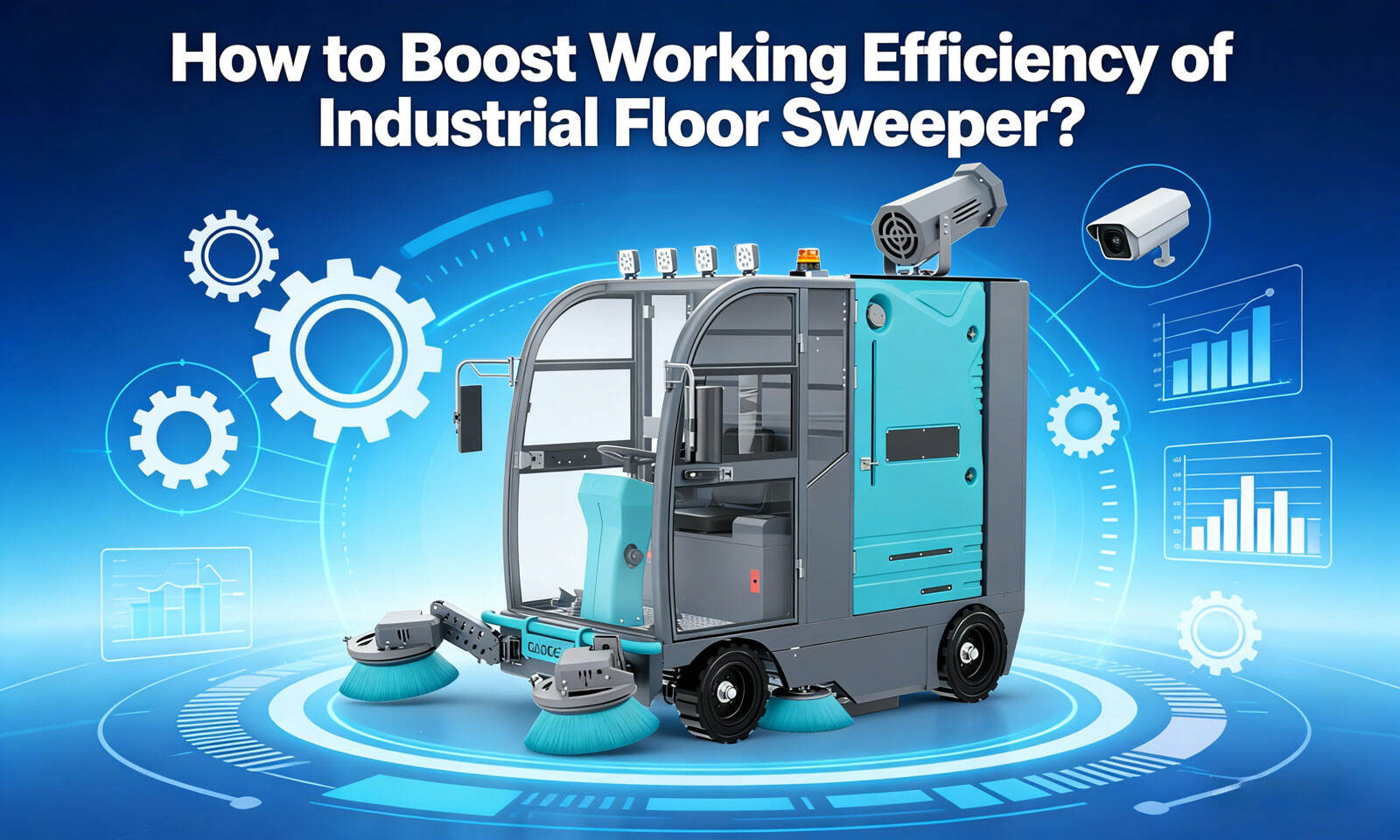
Precision Maintenance for Reliable Industrial Floor Sweeper Performance
Critical Component Wear Patterns and Data-Backed Replacement Timelines
Industrial floor sweeper longevity hinges on recognizing wear patterns in core components. Brushes exhibit accelerated bristle erosion in high-traffic zones, requiring replacement every 200–300 hours. Drive belts develop micro-fractures after 400 operational hours—vibration analysis shows 87% failure predictability when elasticity drops 15% below factory specs. Filters lose 40% airflow efficiency after 150 hours in dusty environments, directly correlating to a 25% suction power loss. Synchronizing replacements to these thresholds prevents cascade failures: facilities using sensor-based wear monitoring report 92% fewer motor burnouts.
Daily Preventative Checks That Cut Unplanned Downtime by 30%+
Consistent 5-minute inspections slash operational interruptions through early defect detection. Prioritize these checks in sequence—brush to battery—to identify 78% of common failure triggers before escalation:
- Brush clearance: Remove tangled debris; verify bristle height ≥15 mm
- Filter integrity: Tap dust from pleats; test airflow resistance
- Tire pressure: Confirm 35–40 PSI to prevent uneven path deviation
- Hydraulic leaks: Trace fluid trails near fittings
- Battery terminals: Clean corrosion; ensure secure connections
Facilities executing this protocol reduced emergency repairs by 32%, per the Facility Efficiency Quarterly (2023).
Operator Training and Workflow Integration to Maximize Industrial Floor Sweeper Uptime
Standardized Training on Brush Pressure, Sweep Skirt Adjustment, and Runtime Optimization
Proper operator training directly influences efficiency and longevity. Standardized programs covering brush pressure calibration, sweep skirt height adjustment, and battery runtime optimization reduce premature wear by 22% while extending daily operation windows by 30% (Facility Management Journal, 2023). Operators trained to adjust brush pressure based on debris type—e.g., fine dust versus metal shavings—prevent unnecessary motor strain. Mastering skirt height ensures optimal debris capture without surface scraping. Runtime training emphasizes battery conservation techniques—including intermittent vacuum activation and route-based speed control—which add 45+ minutes of productive runtime per shift. Facilities implementing certified training report 20% higher productivity and 18% lower annual repair costs.
Strategic Task Sequencing: Why Sweeping Before Scrubbing Saves Labor Hours
Workflow sequencing significantly impacts labor efficiency in industrial cleaning cycles. Performing sweeping before scrubbing eliminates redundant labor by 35% and reduces water/chemical consumption by 28%, per ISSA Cleaning Standards (2024). This sequence prevents abrasive debris from embedding into surfaces during scrubbing—avoiding multiple passes and rework. Key benefits include:
- Reduced cross-contamination: Removing dry debris first avoids spreading grease or oils during wet cleaning
- Faster drying times: Unclogged floor drains accelerate water removal post-scrubbing
- Extended equipment life: Scrubbing pads last 2.3× longer without embedded grit
Facilities adopting this sequence report 1.5 hours of daily labor savings per 10,000 sq ft.
Smart Route and Schedule Optimization for Industrial Floor Sweeper Deployment
Facility-Based Scheduling: Aligning Industrial Floor Sweeper Runs with Footprint, Traffic, and Debris Load
Tailoring sweeper schedules to your facility’s unique characteristics cuts operational costs by 18–27% annually. Begin by mapping high-traffic zones and debris accumulation patterns: manufacturing bays often generate metal shavings hourly, while warehouses see peak cardboard dust during unloading. Schedule intensive sweeps before shift changes or immediately after deliveries. Prioritize large, open areas during low-activity periods to maximize coverage per charge. Adjust frequency using real-time debris sensors—reducing unnecessary runs by up to 40%. Facilities using traffic-based scheduling report 30% fewer machine collisions and 22% longer brush life. Always sequence sweeping before wet cleaning to prevent debris slurry formation, which avoids rework and saves 1.5 labor hours per 10,000 sq ft daily.
Key Equipment Performance Factors That Directly Impact Industrial Floor Sweeper Efficiency
Several critical specifications determine industrial floor sweeper effectiveness. Brush pressure adjustment capabilities allow operators to adapt to varying debris volumes—light settings preserve sensitive floor surfaces during routine cleaning, while heavy pressure tackles stubborn industrial waste. Battery runtime directly influences operational continuity; models with 4+ hour capacities minimize productivity-killing recharge interruptions in large facilities. Construction durability proves equally vital: steel-framed units reduce repair frequency by 30% compared to lighter alternatives in high-impact environments (2023 Warehouse Equipment Benchmark Report).
Cleaning path width serves as another key efficiency multiplier—units exceeding 30-inch coverage accomplish tasks 40% faster than narrow counterparts. Integrated HEPA filtration systems deliver measurable health and compliance benefits, capturing 99% of airborne particulates to maintain OSHA-compliant air quality during operation. These performance variables collectively determine whether equipment functions as a productivity accelerator—or a bottleneck.
FAQ
What maintenance schedule should I follow for an industrial floor sweeper?
Brushing components need replacement every 200–300 hours; drive belts at 400 hours; filters degrade after 150 hours in dusty settings. Regular daily preventative checks also help prolong the sweeper's life.
How can I reduce unplanned downtime for my industrial floor sweeper?
Implementing consistent 5-minute daily inspections and scheduling maintenance based on component wear patterns can cut unplanned downtime by over 30%.
What is the significance of operator training for floor sweeper efficiency?
Proper operator training on brush pressure, skirt adjustments, and runtime optimization can reduce premature wear by 22% and extend operation windows by up to 30%.
Why should sweeping be done before scrubbing?
Sweeping before scrubbing reduces labor labor by 35% and water/chemical use by 28%, and prevents abrasive debris from embedding into surfaces during scrubbing.
How can I optimize my sweeper schedule?
Scheduling based on facility characteristics—like high-traffic zones and debris load—is key. Use real-time debris sensors to adjust frequency and sequence sweeping before scrubbing to save time and costs.
What are the key performance factors for industrial floor sweepers?
Key factors include brush pressure adjustment capabilities, battery runtime, construction durability, and cleaning path width. Integrated HEPA filtration systems also enhance performance by maintaining air quality.
Table of Contents
- Precision Maintenance for Reliable Industrial Floor Sweeper Performance
- Operator Training and Workflow Integration to Maximize Industrial Floor Sweeper Uptime
- Smart Route and Schedule Optimization for Industrial Floor Sweeper Deployment
- Key Equipment Performance Factors That Directly Impact Industrial Floor Sweeper Efficiency
-
FAQ
- What maintenance schedule should I follow for an industrial floor sweeper?
- How can I reduce unplanned downtime for my industrial floor sweeper?
- What is the significance of operator training for floor sweeper efficiency?
- Why should sweeping be done before scrubbing?
- How can I optimize my sweeper schedule?
- What are the key performance factors for industrial floor sweepers?
