 EN
EN

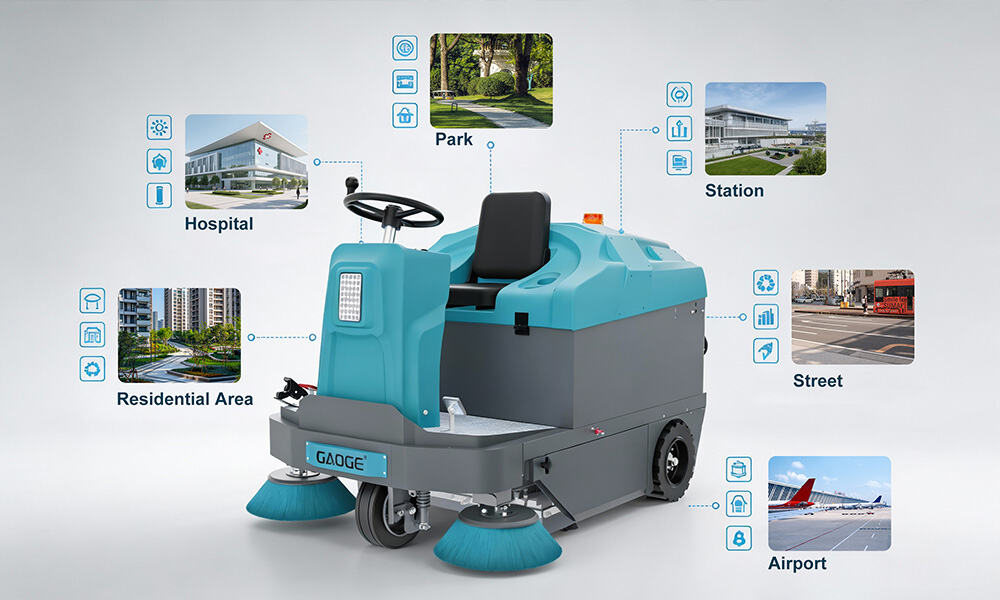
What a Floor Sweeper Does Well: Core Strengths for Daily Debris Removal
Mechanical Action: How Bristles and Vacuum Capture Loose Dirt, Dust, and Particulates
The spinning bristles physically knock loose dry dirt and grime, while built-in vacuum systems suck up floating particles from the air down to sizes as tiny as 10 microns. Think pollen grains or even microscopic silica dust. The combination of these two actions traps contaminants right away before they can settle back down, which helps keep indoor air clean and healthy. Traditional sweeping just doesn't cut it when compared to this setup. The sealed enclosure design works great in places where cleanliness matters most, like labs in drug manufacturing or food production areas. These industries need strict particle control according to rules set by organizations such as ISO (their standard 14644-1) and the FDA regulations found in 21 CFR Part 110.
Real-World Efficacy: Data from High-Traffic Facilities Showing >90% Surface Debris Reduction
Facilities in warehouses and distribution centers have seen dramatic improvements, with surface debris dropping by more than 90% since implementing daily sweeping routines. These protocols focus on picking up big stuff first - broken pallet pieces, packing trash, and scattered gravel - before these items can become hazards for workers or damage machinery. Airports are doing similar things too. Their cleaning teams run sweepers during slow times when there aren't so many people around, keeping paths open even though passengers keep walking everywhere. According to the 2023 Logistics Sector Benchmark Report, this approach cut down slip accidents by about one third. Cleaner floors mean fewer interruptions in day to day operations and also saves money on fixing equipment that gets damaged from dirt buildup over time.
Where a Floor Sweeper Falls Short: Key Limitations in Daily Hygiene Control
Residual Contaminants: Why Oils, Biofilm, and Fine Dust Persist After Dry Sweeping
Standard floor sweepers do a decent job picking up loose dirt and trash, but they fall short when it comes to sticky stuff like machine oil spills, those stubborn microbial films, or ultra fine dust particles smaller than 10 microns. These messy leftovers tend to stick around on surfaces, especially building up in grout lines and tight corners where cleaning gets tricky. What makes this problem so serious? Well, these residue deposits aren't just unsightly. They actually pose real slip dangers for workers and customers alike, plus they're a breeding ground for bacteria. A study from the Environmental Health Journal back in 2023 found that leftover biofilm can boost pathogen survival rates by nearly two thirds on hard flooring surfaces. And here's the kicker: most traditional sweeping methods just push these tiny contaminants around instead of getting rid of them completely.
No Detergent, No Dissolution: The Chemistry Gap Between Sweeping and Sanitizing
Dry sweepers just don't cut it when it comes to proper cleaning because they miss out on those essential components needed for real sanitation work. We're talking about things like chemical cleaners that actually break down grease at the molecular level, water solutions that help lift away dirt and grime, plus some kind of disinfectant action against bacteria and other microbes. What happens? Sure, all the stuff we can see gets swept up, but what about those hidden dangers still lurking around? According to recent food processing audits, places that only use sweepers end up with much higher ATP readings compared to facilities with scrubbers. The numbers tell the story pretty clearly: 1,872 RLU versus 987 RLU according to Food Safety Magazine from last year. And let's not forget the money aspect either. A study by the Ponemon Institute puts the annual cost of biofilm problems at around $740k per manufacturer in the US. That's serious cash lost due to preventable issues stemming right from inadequate cleaning methods.
Floor Sweeper vs. Floor Scrubber: When to Use Each Tool in a Daily Maintenance Plan
Functional Boundaries: Dry Removal vs. Wet Cleaning Complementary, Not Interchangeable
Floor sweepers work great for picking up dust, dirt, and small particles before they get too ingrained in surfaces. They combine mechanical bristles with vacuum power to tackle messes in busy areas or big spaces where foot traffic is constant. Floor scrubbers take things further though. These machines mix water, cleaning solution, and brush action to break down tough stuff like stuck-on grime, bacterial films, and deep-set soil that regular sweepers just can't handle. The two aren't really substitutes for each other but rather partners in proper cleaning. Start with a sweeper to clear out those sharp bits that would otherwise scratch the floor when running a wet scrubber over it later on. This sequence makes sense according to guidelines from organizations like ISSA and their ANSI/IICRC standards, which recommend this approach for better results without damaging surfaces.
Hybrid Solutions: Rising Adoption of Sweep-and-Scrub Units for Mid-Scale Operations
Mid sized facilities including warehouses and retail stores are now adopting these hybrid sweep and scrub units more often than before. The technology merges dust pickup with instant cleaning all in one go, cutting down on lost time during operations by about thirty percent when compared to using separate tools for each job according to the Facility Management Benchmarking Consortium from last year. These units work best in areas smaller than fifty thousand square feet, saving money on staff while still keeping things clean enough. They handle small messes pretty well too, making them great for places where foot traffic changes throughout the day and there's always something spilled somewhere.
Optimizing Daily Floor Maintenance: Integrating Floor Sweeper Use Strategically
Getting a floor sweeper going at the start of each day's routine grabs all that loose stuff before it gets stuck in cracks or spreads around everywhere. This kind of sweeping takes care of dust, bits of packaging material, and gritty residue from foot traffic, which helps prevent slips and reduces how much the floors get worn down over time. Best bet is to do the dry sweeping when there aren't many people moving around, maybe early morning or late afternoon, focusing especially on busy spots such as loading docks where trucks come and go constantly. Throw in some wet cleaning once a week with either a scrubber machine or just good old fashioned mopping to tackle stubborn stuff like sticky residues, oil spills, and those pesky biofilms that build up between cleanings. Warehouses that stick with this combination method tend to spend about 22 percent less on overall maintenance and their floors last longer too. So sweepers aren't just another piece of equipment sitting in the corner collecting dust they're actually worth investing in for keeping things running smoothly day after day.
FAQ
What is the main function of a floor sweeper?
The main function of a floor sweeper is to remove loose dirt, dust, and particulates from surfaces using mechanical bristles and vacuum systems.
What are the limitations of using a floor sweeper?
Floor sweepers may struggle with sticky substances like machine oil, biofilms, and ultra fine dust particles smaller than 10 microns. They also lack the sanitation components such as chemical cleaners needed for proper sanitizing.
When should I use a floor scrubber instead of a floor sweeper?
A floor scrubber should be used when you need to clean sticky or ingrained substances and apply cleaning solutions that a floor sweeper can't handle. It's a complement to a sweeper, not a replacement.
Are there hybrid cleaning tools available?
Yes, mid-sized facilities are increasingly using hybrid tools that combine sweeping and scrubbing functions to efficiently manage cleaning in one go.
Table of Contents
- What a Floor Sweeper Does Well: Core Strengths for Daily Debris Removal
- Where a Floor Sweeper Falls Short: Key Limitations in Daily Hygiene Control
- Floor Sweeper vs. Floor Scrubber: When to Use Each Tool in a Daily Maintenance Plan
- Optimizing Daily Floor Maintenance: Integrating Floor Sweeper Use Strategically
- FAQ
