 EN
EN

Core Cleaning Functions: Scrubbing, Sweeping, Burnishing, and Vacuuming
Wet Scrubbing Machines for Deep Cleaning Hard Floors
Wet scrubbers for industrial use work by mixing mechanical movement with specific chemicals that break down tough stuff stuck on hard floors. The machine has rotating brushes that spin around 200 to 300 times per minute to get rid of dirt and grime, while built-in vacuums suck up the dirty water right away into closed tanks. Floors stay clean and dry pretty quickly after this process, which makes all the difference in places like food processing plants. Daily cleaning with these machines cuts down on germs by about 80% when compared to regular mopping according to FDA standards from last year. Newer models come with settings that let operators adjust how hard the brushes press against different types of flooring materials such as epoxy coatings, polished concrete surfaces, or even older VCT tiles without hurting them but still getting the job done properly.
Dry Sweepers for Debris Removal in High-Traffic Facilities
Most commercial dry sweepers work with two main components: rotating bristle drums that spin in opposite directions along with powerful vacuum systems capable of picking up everything from big chunks of debris down to microscopic particles. The HEPA filters inside these machines do a great job keeping tiny airborne particles below 0.3 microns trapped instead of letting them float back into the air where they can cause problems for workers' health. These kinds of sweeping systems really shine in big warehouse settings where there's constant movement from forklifts plus all sorts of packaging going on. We're talking about spaces that accumulate around 5 kilograms worth of dirt and trash every day across just 1,000 square meters. For places needing super clean conditions such as pharmaceutical labs or electronic assembly plants, riding on these specialized sweepers cuts down on cleaning time by about half compared to regular push brooms according to research published last year in Industrial Hygiene Journal. This makes a huge difference when meeting those tough air quality requirements becomes absolutely essential.
Burnishers and Polishers for Gloss Enhancement and Maintenance
Floor burnishers spinning between 1500 to 2500 RPM work wonders for surfaces by creating heat through friction that melts and smooths out old polymer coatings. This creates a tough, shiny protective layer without needing harsh abrasives or extra chemicals. When applied to VCT floors and terrazzo, these machines can make surfaces look almost brand new again with reflectivity improvements around 90% in some cases. The effect lasts longer too, meaning facilities need to replace materials about 30% less often each year. Traditional polishing methods actually wear down the surface as they go, constantly rebuilding what gets scraped away. Burnishing takes a different approach altogether. It maintains the original finish rather than replacing it, which results in better overall shine that stays put much longer than conventional methods achieve.
| Maintenance Factor | Burnishing | Polishing |
|---|---|---|
| Gloss Retention Period | 8–12 weeks | 4–6 weeks |
| Operational Noise Level | 78–85 dB | 70–75 dB |
| Area Coverage/Hour | 3,500 m² | 1,200 m² |
Vacuum and Extraction Systems for Sanitization and Wet-Dry Recovery
Modern multi stage vacuum extraction systems tackle both wet messes and dry debris with remarkable accuracy. These units combine negative pressure recovery techniques, flexible squeegee arms, and powerful cyclonic separators to separate out solids from liquids before storing them away. The system can remove as much as 98 percent of water content, which makes a big difference in real world applications. Healthcare facilities face particular challenges since about three quarters of all slips and falls happen right at the spots where different floor materials meet according to OSHA data from last year. That's why quick and complete drying becomes absolutely essential in these environments. For biohazard cleanups, sealed H13 filters stop pathogens from becoming airborne particles, something that aligns perfectly with CDC guidelines on infection control in medical settings.
Machine Configuration: Walk-Behind, Ride-On, and Robotic Floor Cleaning Machines
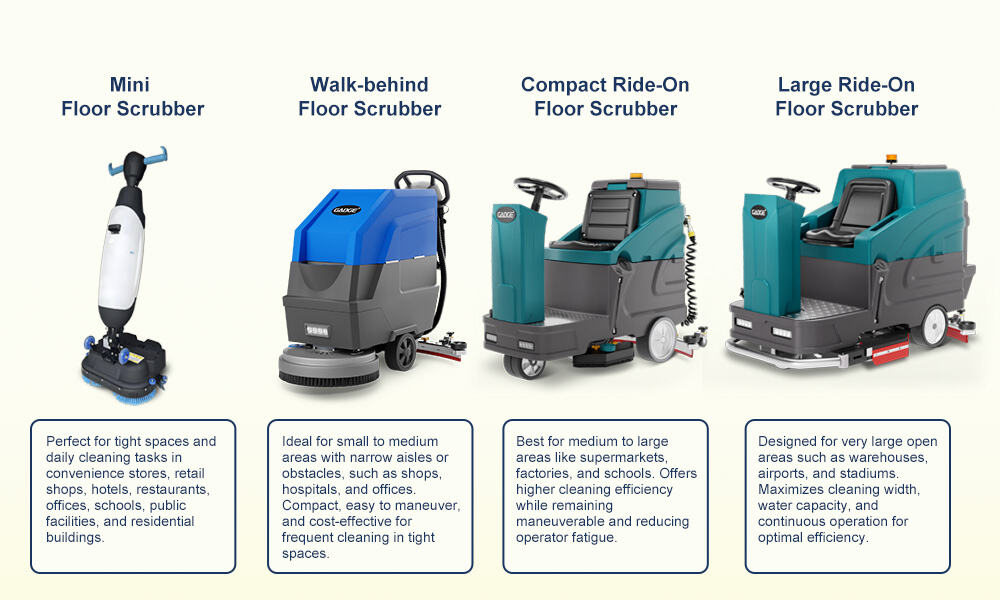
Operator Ergonomics, Coverage Rate, and Maneuverability by Type
Walk behind machines are all about getting into those tricky spots where bigger equipment just won't fit. They're great for stores, bathrooms, and anywhere else cluttered with obstacles. Sure, using them for long periods can be tough on the body, but nobody beats their ability to tackle detailed cleaning tasks and squeeze into corners that other machines miss. Ride on models completely change the game though. These bad boys cover around five times more ground each hour compared to walk behinds, which means operators stay fresh even during marathon shifts at places like airports or massive warehouses. The robots are another story altogether. They clean while nobody's looking, making night shifts possible without staff, but only if everything stays exactly how it was mapped out beforehand. According to Facility Management Journal last year, switching from walk behind to ride on machines boosts productivity by about 64% in big facilities. Still worth noting that robots shine best when things don't change much day to day rather than adapting to unexpected situations.
Power Source, Runtime, and Indoor/Outdoor Operational Limits
Indoor spaces tend to rely on electric power because there's no exhaust fumes, they run quietly, and they work well in places where noise and pollution matter, such as hospitals or classrooms. The newer lithium ion batteries give about 30 percent more runtime compared to old fashioned lead acid ones, which means most equipment can run continuously for around four to six hours before needing a recharge. When it comes to outdoor work though, many still go with combustion engines since they last longer during those extended workdays and pack more punch per unit size. These are what we see at city parks departments and construction zones all over town. But bring those same gas powered tools inside? Not so much. Building codes usually require special ventilation systems just to handle the fumes from combustion engines, making them impractical for most indoor settings.
| Machine Type | Indoor Suitability | Outdoor Capability | Average Runtime |
|---|---|---|---|
| Walk-Behind | ⭐⭐⭐⭐⭐ | ⭐⭐⭐ (limited) | 3–5 hours |
| Ride-On | ⭐⭐⭐⭐⭐ (large spaces) | ⭐⭐⭐⭐⭐ | 4–8 hours |
| Robotic | ⭐⭐⭐⭐⭐ | ⭐⭐⭐⭐⭐ (rare) | 2–4 hours |
Robotic floor cleaning machines rely exclusively on electric power, limiting deployment to climate-controlled, obstacle-predictable indoor settings.
Matching Floor Cleaning Machines to Facility Requirements
Retail, Warehouse, Healthcare, and Municipal Use-Case Priorities
Picking the correct floor cleaner really depends on what kind of place it's going into. Different facilities have their own rules, space limitations, and how they actually operate day to day. For retail stores, speed matters a lot. They need machines that dry quickly without making too much noise so customers can keep walking around while shopping. Nobody wants to hear a loud vacuum during lunch hour when people are trying to grab coffee. Warehouses tell a different story altogether. These spaces deal with massive amounts of dirt and debris spread out over huge concrete areas. That's why many warehouse managers prefer big scrubbers or sweepers that can handle the workload. Some even go for ride-on models or robots that do the job automatically. Hospitals present another challenge entirely. Strict infection control regulations mean these places need special equipment with proper sanitization features built right in. Look for machines with HEPA filters rated at H13 level or better, plus components made from materials that won't trap germs. Municipal buildings like community centers and train stations face yet another set of requirements. Their floors switch between indoor carpets and outdoor concrete constantly, so versatility becomes key. A good municipal floor cleaner needs to work just as well on polished marble in reception areas as it does on rough concrete outside.
According to FM 2023 industry benchmarks, mismatched equipment reduces overall cleaning efficiency by 40% and increases slip-and-fall incidents by 28%. Facility managers should evaluate four core criteria:
- Traffic volume and available cleaning windows (e.g., overnight vs. daytime access)
- Flooring material compatibility (e.g., sensitivity to moisture, abrasion, or chemical exposure)
- Regulatory compliance thresholds, including OSHA, FDA, CDC, and local health codes
- Zone transition requirements, especially where flooring types change (e.g., carpet-to-tile or tile-to-concrete)
A deliberate, evidence-informed match between machine capability and facility need maximizes hygiene outcomes, extends floor life, and optimizes total cost of ownership.
FAQ
What is the main function of wet scrubbers?
Wet scrubbers are designed to mix mechanical movement with specific chemicals for deep cleaning hard floors by removing dirt and grime, especially beneficial in industrial settings like food processing plants.
Why are HEPA filters important in dry sweepers?
HEPA filters in dry sweepers trap tiny airborne particles below 0.3 microns, preventing them from being released back into the air, which is vital for maintaining air quality in commercial and industrial environments.
How do burnishers enhance floor gloss?
Burnishers enhance floor gloss by creating friction heat that melts and smooths old polymer coatings, resulting in a shiny, protective surface without the need for harsh chemicals.
What distinguishes vacuum extraction systems?
Modern vacuum extraction systems effectively tackle both wet and dry messes using advanced recovery techniques, ensuring thorough sanitization, which is especially crucial in healthcare settings.
How do robotic cleaning machines operate?
Robotic cleaning machines operate autonomously in predictable indoor settings, using electric power for quiet, efficient cleaning without the need for human supervision.
