 EN
EN

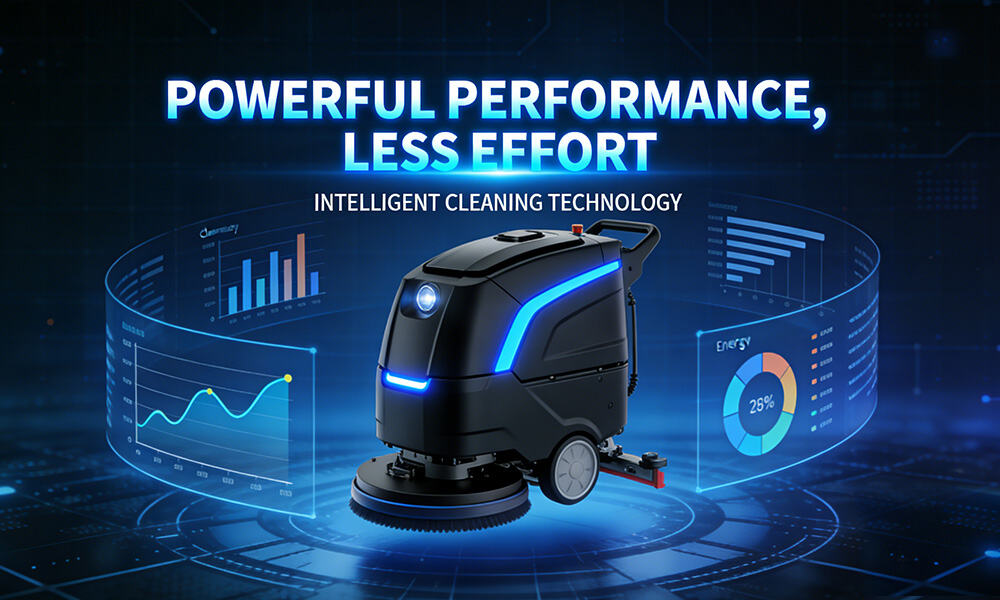
Cleaning Performance: The Core Metric for Commercial Floor Scrubber Effectiveness
Suction Power and Brush Agitation: Quantifying Soil Removal on Hard Surfaces
Floor scrubbers for commercial use work best when they combine two main mechanical actions: brush movement and vacuum power. Getting the right balance between brush pressure (PSI measurement) and suction strength (at least 80 CFM) is really important. Hard bristles can tackle tough dirt stuck in concrete floors, whereas softer nylon ones are better for protecting vinyl composition tile without causing damage. Tests have shown that getting rid of over 95% of dirt on epoxy surfaces needs brushes spinning at around 300 RPM or faster along with suction levels between 12 to 15 kPa. The way these machines operate does more than just lift debris off the ground; they also suck up the dirty water right away, which helps keep walkways from becoming slippery. For places with lots of foot traffic such as warehouses, proper agitation settings can cut down on needing to go over areas twice by about forty percent, making cleaning staff much more productive according to industry research from ISSA in 2023.
Solution Delivery Consistency and Recovery Rate (±95% Standard)
Getting the right amount of cleaning solution down to within about 3% accuracy matters a lot for how well chemicals work and keeping floors safe. If there's not enough solution left behind, dirt stays put. But putting down too much just wastes money and can actually damage surfaces through etching or leave stubborn residues. What happens after application is just as important though. According to OSHA regulations, at least 95% of whatever gets sprayed needs to be picked back up to maintain proper traction. Some modern floor machines with those fancy multi-vacuum systems can pull out nearly all the water from polished concrete floors, sometimes getting it dry in less than a minute and a half. Businesses that keep their solution application balanced against what they recover tend to spend around 30% less on chemicals overall while also cutting down on bacteria growth caused by leftover damp spots. And let's face it, facilities where scrubbers don't meet that 95% recovery standard see roughly 22% more slips and falls according to last year's National Floor Safety Institute report.
Durability and Build Quality: Built for High-Volume Commercial Floor Scrubber Operations
Chassis Materials and Structural Integrity Across Floor Types (Concrete, VCT, Epoxy)
In high-frequency commercial use, structural durability isn’t optional—it’s foundational. Welded steel frames with triple-layer epoxy coatings reduce corrosion-related failures by 47% compared to standard painted alternatives (FM Global 2023). But resilience must be surface-specific:
- Concrete floors demand reinforced skirting and chassis joints to absorb impact from debris
- VCT surfaces require vibration-dampening mounts to prevent tile displacement
- Epoxy-coated floors necessitate non-marking polyurethane wheels with Shore hardness ±85A to avoid scratching
Table: Chassis Requirements by Floor Type
| Surface | Critical Design Feature | Failure Risk Without Adaptation |
|---|---|---|
| Concrete | Impact-resistant skirting | Frame cracks (32% higher) |
| VCT | Suspension shock absorbers | Tile displacement (28% cases) |
| Epoxy | Non-abrasive polyurethane wheels | Surface scratching (41% incidence) |
Battery and Motor Longevity Under Continuous Duty (LiFePO4 vs. AGM Real-World Data)
Power systems need to keep going strong throughout multiple shifts, not just give good bursts of energy when needed most. Take lithium iron phosphate batteries for instance these LiFePO4 models last around 3,000 charge cycles compared to about 1,000 cycles from those old AGM batteries according to Pike Research back in 2023. That translates to roughly 60% savings on replacement costs after just five years of operation. Pair them with brushless motors rated at 50,000 hours mean time between failures and the system keeps delivering full suction power and torque even when the battery is down to 90% charge level. The situation looks quite different with AGM batteries though they start losing torque by about 27% once charge drops below half capacity. This kind of performance gap leads to faster component wear and inconsistent cleaning results across shifts. Manufacturers have noticed that switching to this integrated solution cuts down motor replacements by three times in facilities running nonstop operations day after day.
Operator Ergonomics and Fleet Efficiency: Optimizing Uptime in Multi-Shift Commercial Environments
Industrial plants lose about $740k each year on average because of unexpected downtime according to Ponemon's 2023 study, so keeping operations running smoothly just cant be ignored anymore. When operators get tired, they make mistakes and machines break down faster too. But there are ways to fix this problem with better equipment design. Things like adjustable handles, controls that make sense where they're placed, and machines that don't vibrate so much really cut down on physical stress during long workdays. This helps workers stay fresh longer before their bodies start giving out mid-shift which means fewer breakdowns needing attention. Plus modern fleet tracking systems keep tabs on things like battery condition, brush wear levels, and how long equipment runs for in real time. Instead of waiting until something breaks to fix it, these systems let maintenance happen before problems occur. The whole package cuts back on how often technicians need to step in, fills those annoying scheduling holes, and keeps cleaning machines working at top capacity throughout their entire service life.
Regulatory Compliance and Sustainable Operation: Meeting EPA, CARB, and LEED Standards for Commercial Floor Scrubbers
Zero-VOC Chemical Compatibility and Precision Onboard Metering (±3% Tolerance)
Commercial floor scrubbers these days aren't just expected to meet sustainability rules—they need to actually help drive those green initiatives forward. The EPA and CARB have gotten pretty strict lately, pushing for almost zero VOC chemicals in cleaning products. This matters a lot in places that run multiple shifts because workers end up breathing in whatever's floating around all day long. Scrubbers with good onboard metering systems (around 3% accuracy) make sure chemicals get mixed right every time. That consistency cuts down on how much product gets used throughout the year by roughly 20%, which saves money and stops people from applying too much stuff everywhere. Plus, accurate mixing means less mess going down the drain, something that definitely helps when trying to earn those coveted LEED certifications for green buildings. Some newer models even tweak the dilution automatically depending on what kind of floor they're working on and how dirty it is. And bonus? These machines work with low-VOC formulas so janitors don't have to worry about breathing in harmful fumes, though they still manage to clean things properly most of the time.
FAQ
What is the importance of suction power and brush agitation in floor scrubbers?
Suction power and brush agitation are crucial for effectively removing dirt from hard surfaces. Proper balance between brush pressure and suction strength ensures thorough cleaning and prevents the need for repeated passes.
Why is solution recovery rate important for commercial floor scrubbers?
The solution recovery rate is vital for maintaining traction and safety on floors. Failure to recapture at least 95% of the solution can lead to increased slips and falls.
How does chassis material affect the durability of floor scrubbers?
Chassis materials like welded steel with epoxy coatings provide resistance to corrosion. The right materials are essential for long-lasting performance across different floor types.
What are the benefits of LiFePO4 batteries over AGM batteries?
LiFePO4 batteries offer around 3,000 charge cycles compared to AGM's 1,000, significantly reducing replacement costs and ensuring consistent performance, even with low battery levels.
How do floor scrubbers contribute to sustainability and regulatory compliance?
Modern floor scrubbers meet strict EPA and CARB standards by using low-VOC chemicals and precise metering systems, cutting product usage while supporting green building certifications like LEED.
Table of Contents
- Cleaning Performance: The Core Metric for Commercial Floor Scrubber Effectiveness
- Durability and Build Quality: Built for High-Volume Commercial Floor Scrubber Operations
- Operator Ergonomics and Fleet Efficiency: Optimizing Uptime in Multi-Shift Commercial Environments
- Regulatory Compliance and Sustainable Operation: Meeting EPA, CARB, and LEED Standards for Commercial Floor Scrubbers
-
FAQ
- What is the importance of suction power and brush agitation in floor scrubbers?
- Why is solution recovery rate important for commercial floor scrubbers?
- How does chassis material affect the durability of floor scrubbers?
- What are the benefits of LiFePO4 batteries over AGM batteries?
- How do floor scrubbers contribute to sustainability and regulatory compliance?
