 EN
EN

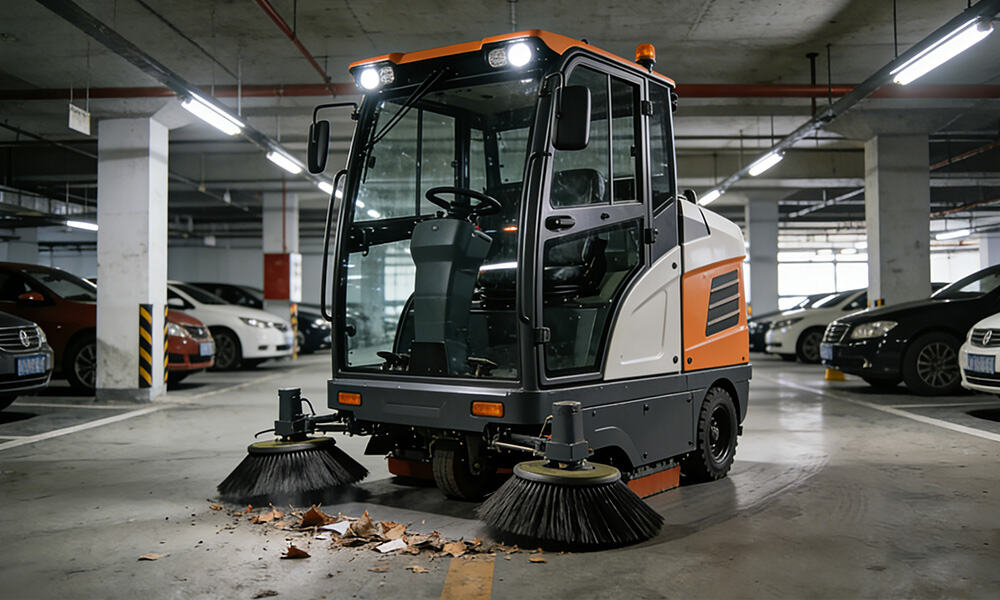
Heavy-Duty Industrial Dry Debris Removal
Why Standard Sweepers Fail Under High-Volume Particulate Loads
Regular sweepers just can't handle large amounts of debris very well. Most models don't generate enough airflow measured in cubic feet per minute (CFM) to properly suck up all that fine dust, so it ends up floating back into the air instead of being captured. This creates serious problems for indoor air quality across many industrial settings. Try running these machines on tough stuff like metal chips or silica dust and watch what happens next. The brushes get worn down super fast, which means replacing them constantly and spending way too much money on repairs. And let's not forget about those hoppers either. Without good filtration systems, they clog up all the time when used for long periods. The bottom line? All this inefficiency adds up to major losses for businesses. According to research from the Ponemon Institute in 2023, companies actually spend around $740,000 each year dealing with interruptions caused by faulty cleaning equipment.
How High-CFM Floor Sweepers Combine Aerodynamic Suction and Brush Agitation
The limitations of traditional sweeping equipment get addressed by high CFM floor sweepers thanks to their specialized design approach. These machines come equipped with powerful torque motors that push around 30% more air compared to regular models creating a strong vortex effect which grabs those tiny particles before they can spread out. Most models feature two brushes arranged in a staggered pattern that both loosen stuck-on dirt and guide it right into the suction area, allowing them to handle well over 50 pounds worth of material during each pass. The way the brushes meet the sealing surfaces has been fine tuned to cut down on escaped dust, something that matters a lot when trying to stay within OSHA's safety standards for breathable dust levels. This helps keep the air clean inside buildings while still letting operators maneuver easily even in tight spots where space is limited.
Outdoor and Semi-Outdoor Paved Environments
Adoption Drivers: Zero-Emission Compliance and All-Weather Reliability for Airports, Ports, and Parking Structures
Floor sweepers that deliver high performance matter a lot when considering those paved areas covering around 30% of city spaces where regular brooms, leaf blowers, and old school sweepers just don't cut it. Regulations are pushing things forward too, particularly at places like airports and ports where they have to meet strict EPA and ICAO rules about dust particles in the air. That's why we're seeing more zero emission electric models getting adopted fast. Weather resistance isn't optional either these days. These machines need to keep working through all sorts of conditions - rain or shine, snowfall or heatwaves between minus 20 degrees Celsius and up to 50 degrees without missing a beat. With sustainability topping many city agendas, electric sweepers that leave behind no exhaust fumes while operating throughout parking garages, transportation centers, and freight facilities are quickly becoming what everyone expects as normal practice now.
Key Engineering Adaptations: IP65 Electronics, Optimized Tire Traction, and Wind-Resistant Debris Retention
There are three main design changes that keep things running smoothly when equipment faces harsh outdoor conditions. First off, the electronics come with an IP65 rating which means they stand up well against water spray and dust getting inside. This makes them work properly even when there's rain coming down or humidity levels are through the roof. Next up we have those deep treads on the tires that don't leave marks behind. They stick to surfaces pretty well whether it's wet pavement, concrete walkways, or sloped areas with gradients going up around 12 degrees. Lastly, the hopper shapes were designed with airflow in mind, plus all the paths where debris travels are completely sealed off. This helps prevent stuff from flying away in the wind, holding onto about 95-98% of small stuff like fallen leaves, bits of plastic, and scraps of paper. Put all these together and what happens? The machines actually clean better than regular models do, not only because they can handle more but also because they last longer under tough conditions out there in the field.
High-Traffic Logistics and Warehouse Facilities
Operational Challenges: Forklift-Generated Metal Shavings, Pallet Fragments, and Dynamic Workflow Interference
Warehouses are constantly creating all sorts of rough debris. Think about it - every time those forklifts roll across the floor they leave behind tiny metal bits that get stuck in the concrete. And don't forget about all those broken pallets and ripped boxes lying around, making slips and trips practically inevitable. The problem gets worse because most warehouses run nonstop day after day. That means cleaning has to happen right in the middle of everything else going on without messing up loading docks, picking routes, or breaking any safety rules. Regular sweepers just aren't built for this kind of abuse. Their intake systems break down fast when dealing with sharp pieces of debris, and filters get clogged up all the time which leads to unexpected repairs. According to research from Ponemon Institute back in 2023, these kinds of interruptions end up costing warehouse operators roughly $740,000 each year in lost production time alone.
Proven Floor Sweeper Solutions: Extended Brush Life, Anti-Clog Hopper Design, and Maneuverability in Tight Aisles
Today's top floor sweepers tackle these problems through three proven innovations that warehouse managers actually see working day after day. First up are those reinforced helical brushes made with tough polypropylene filaments instead of regular nylon. These last about 80% longer in places where metal dust builds up, so maintenance crews don't have to replace them nearly as often. Next comes the anti-clog hopper system which uses clever airflow patterns to push heavy stuff like wood chips and broken pallet pieces away from where they'd normally get stuck. This means operators can keep running the sweeper nonstop without stopping every few minutes to clear out debris manually. And let's not forget about maneuverability. With omni-directional steering and that true zero turn radius, these machines zip through tight spaces down to just 7.5 feet wide aisles. They slide right past storage racks, around stacked pallets, and alongside conveyor belts without needing special staging areas or coordinating shifts. What does all this mean? Cleaner floors that stay clean longer, and operations that keep moving forward instead of grinding to a halt because someone forgot to empty the hopper again.
FAQ Section
-
Why do high-volume industrial areas struggle with regular sweepers?
Regular sweepers lack the necessary airflow and filtration systems to effectively capture and remove fine dust particles, leading to air quality issues and frequent mechanical fatigue. -
How do high-CFM floor sweepers improve dust removal?
High-CFM sweepers use powerful motors and staggered brush setups that create a vortex effect for efficient particle capture, effectively meeting OSHA safety standards. -
Why are zero-emission sweepers gaining popularity in airports and ports?
Zero-emission models comply with strict EPA and ICAO rules and offer weather resistance essential for continuous operation under varying conditions. -
What innovations help floor sweepers function effectively in warehouses?
Modern warehouse sweepers feature extended brush life, anti-clog hopper designs, and enhanced maneuverability, addressing debris collection challenges and minimizing workflow interference.
