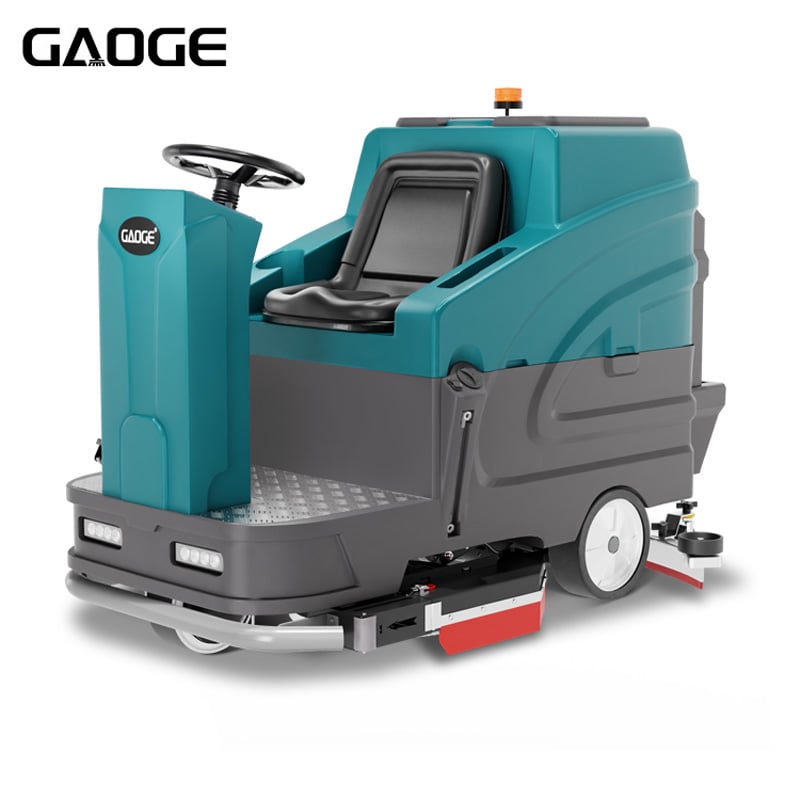
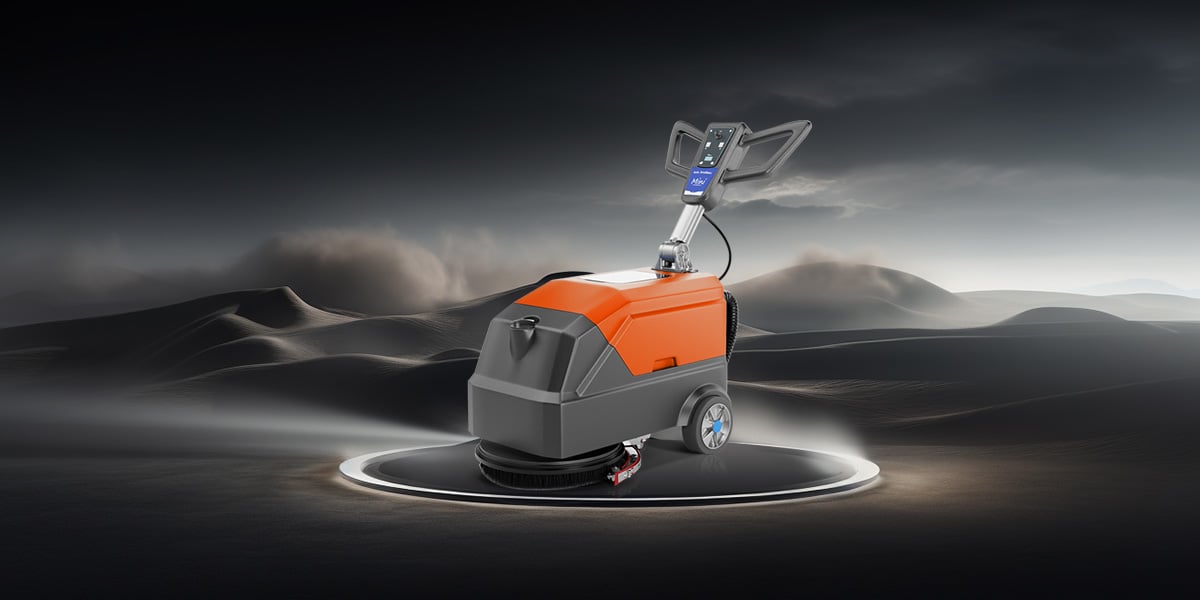
When people sweep floors, the way air moves actually pushes tiny dust particles toward the edges of rooms because of something called the Venturi effect. This means most dirt ends up collecting in those hard to reach corners where there's not much airflow coming through. According to studies done by folks at the Industrial Hygiene Association, these edge areas tend to collect around three times as much dust compared to regular floor spaces. Regular sweepers create spinning forces that send lighter bits flying against walls before their brushes even get a chance to grab them. And if there isn't some kind of containment system in place, roughly one out of every four particles that gets kicked up will just settle back down in nearby corners again. Indoor air quality experts have modeled this behavior extensively over the years.
Three key design constraints hinder effective edge cleaning:
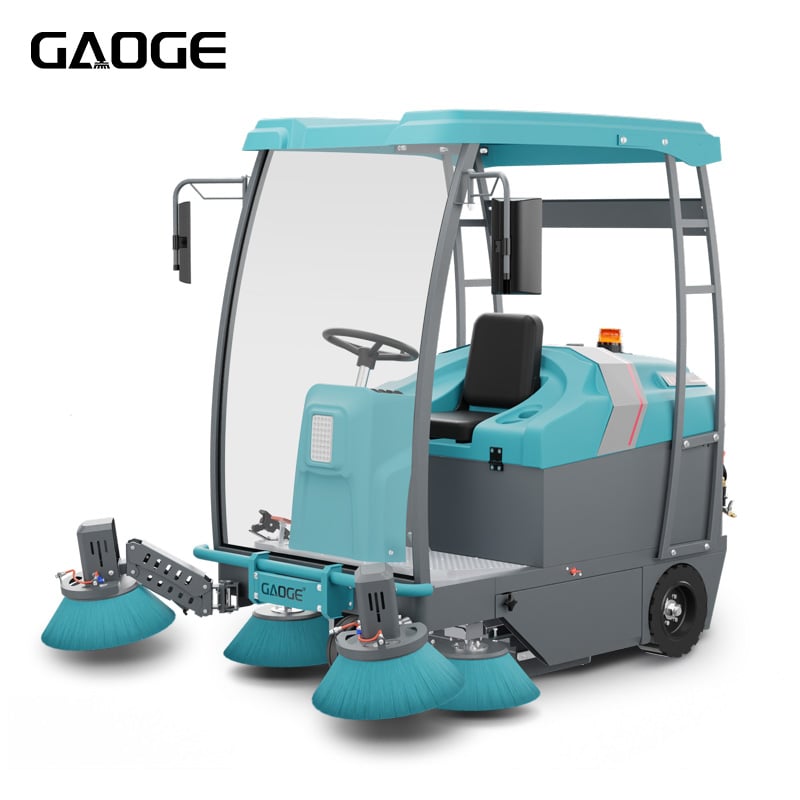
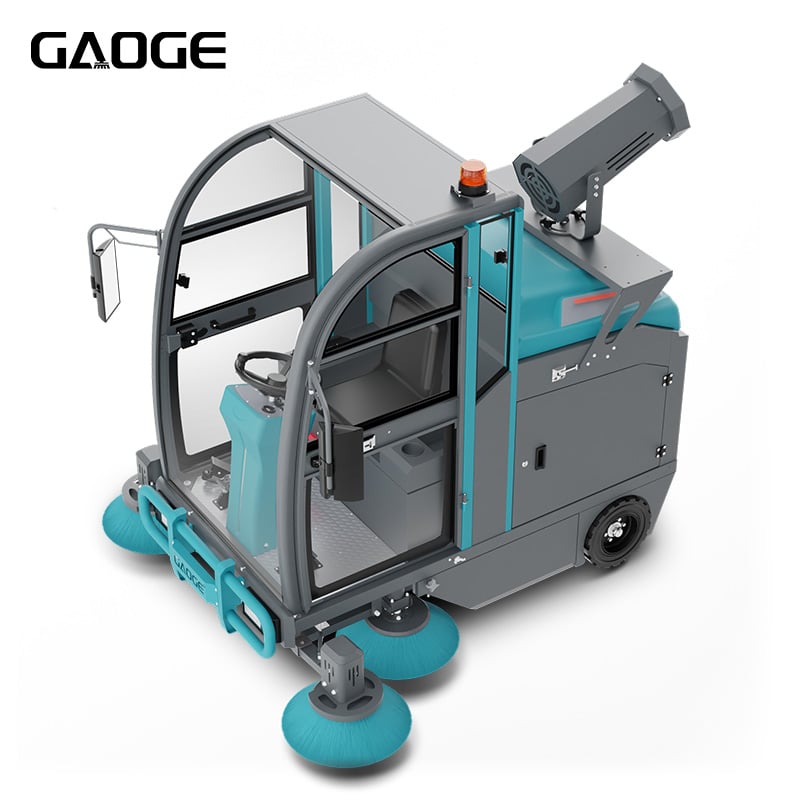
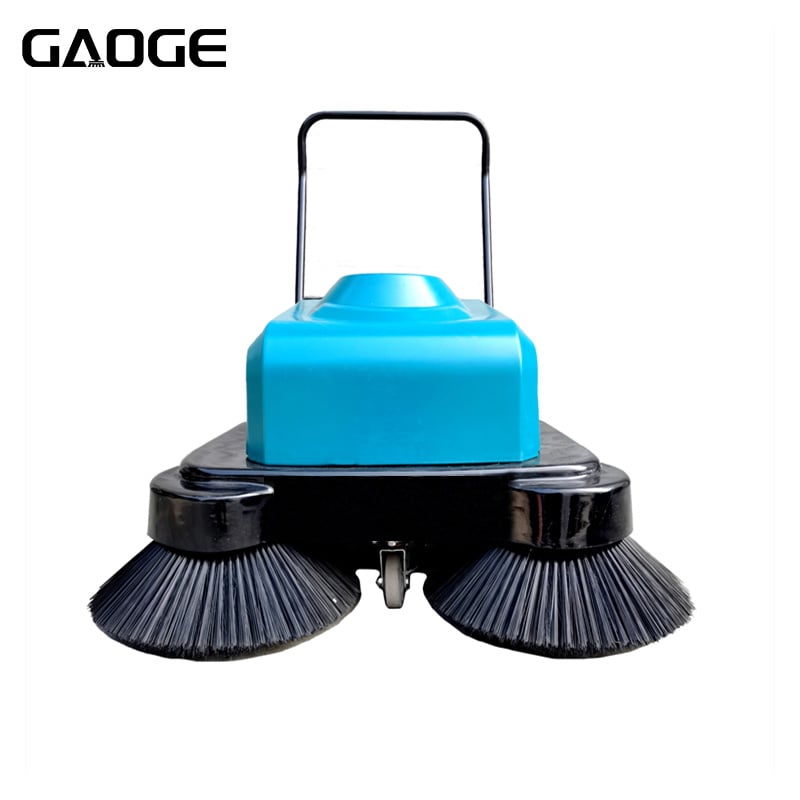
The side brushes on sweepers actually stretch the cleaning area past the main body of the machine, grabbing dirt and dust off walls and along baseboards where it tends to accumulate. These brushes sit at around 30 to 45 degrees and spin in a way that creates kind of a vacuum effect, pulling stuff out of those tricky corners towards the main suction point. Some models have brushes that rotate in opposite directions which cuts down on mess flying around but still keeps good pressure against surfaces, something really important when trying to get rid of stubborn grit stuck in concrete cracks. When going through tight spaces or making sharp turns, motorized side brushes keep spinning at the same rate so they stay effective at cleaning edges no matter what direction the sweeper is moving.
The newer models of these cleaning machines come equipped with multiple brushes that work in harmony. The main cylinder brush teams up with side brushes to cover areas that might otherwise be missed. This setup really helps get rid of those pesky dust bunnies stuck behind shelves and around support pillars since it pushes everything toward the center in stages. Some machines have special settings for edges that tweak how fast the brushes spin and control air flow so they focus more on sides than just sweeping straight ahead. And there are even models that automatically change how hard the brushes press against the floor when going over bumps or dips, which means they stay in good contact with walls and baseboards without anyone needing to mess with knobs or buttons all the time.
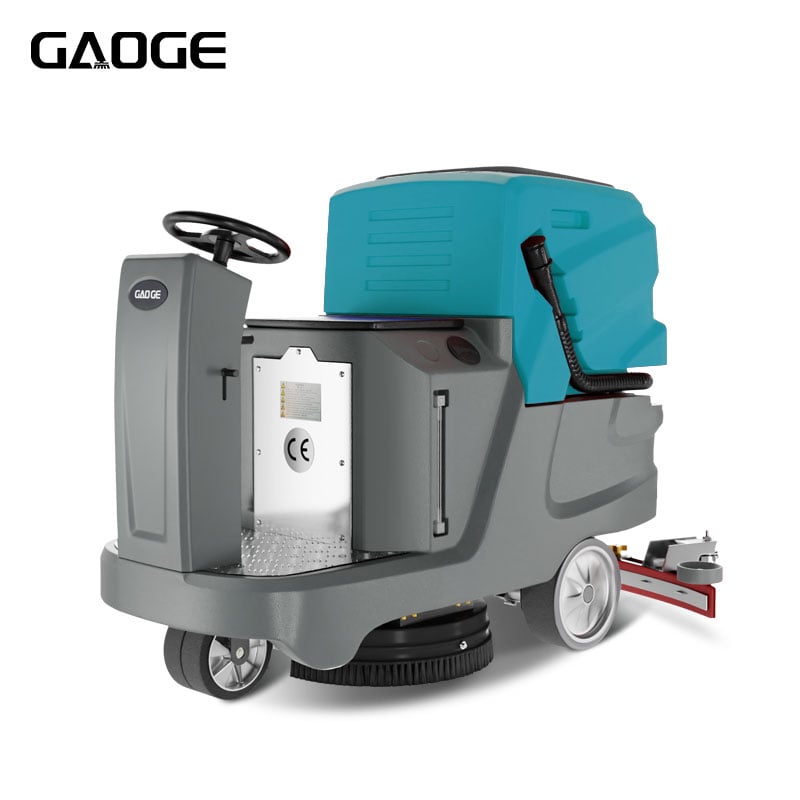
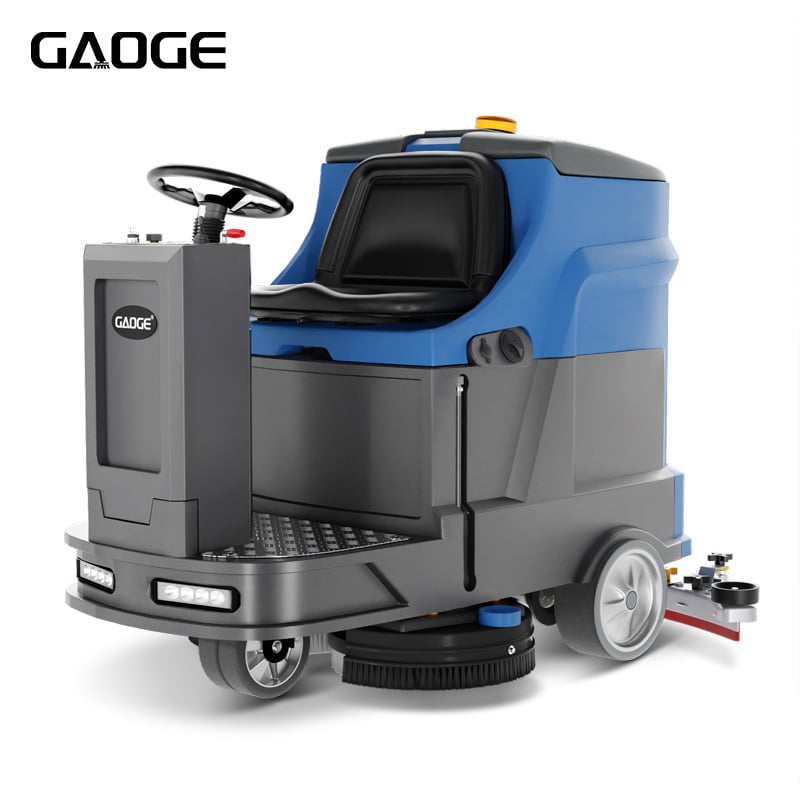
Sweepers that have a chassis height below four inches are able to get really close to vertical obstacles, sometimes just half an inch away, which means the main brushes can actually reach into those tight spaces between things. These machines come equipped with articulated steering systems plus zero turn features that make them turn on a dime, literally shrinking their turning circle down to less than twenty four inches. This matters a lot when moving around warehouse pallet racks or squeezing through tight retail store aisles. The way these sweepers are built also helps keep them stable. They distribute weight evenly across the frame and sit low to the ground, so they don't tip over even during sudden direction changes. Plus this design maintains good brush contact pressure when going over slopes like the ones found near loading dock areas where floors tend to change elevation.
Independent testing reveals significant performance differences in challenging environments. Specialized models remove 92–97% of corner debris, compared to 70–85% for standard units in industrial settings (Facility Maintenance Journal 2023). These gaps stem from deliberate design choices that prioritize edge access and maneuverability.
In distribution centers, heavy-duty sweepers with articulated brushes clear 95% of debris at pallet bases, thanks to tighter turning and extended reach. Standard models leave behind an average of 25% residue in the same areas due to limited brush overlap and larger turning radii. Key advantages include:
These metrics underscore the importance of maneuverability in warehouse operations.
Retail environments require precision around fixed structures. Sweepers with multi-brush systems achieve 89% coverage under gondola shelving by combining side brushes with adjustable suction. Models without edge modes leave 18 cm unclean per linear meter near baseboards. Performance depends on:
These features are essential for maintaining cleanliness in cluttered commercial spaces.
Look for machines where the side brushes stick out about 2 inches past the main body so they can grab dirt right next to walls. When checking specs, insist on seeing actual test results showing at least 95 percent success rate in picking up corners and edges. These tests should come from third party labs if possible, maybe something like what CETSI does for cleaning equipment standards. Machines that have ISO 9001:2015 certification tend to perform around 30 percent more consistently when it comes to cleaning those tricky edges according to field tests. Don't just take what salespeople say at face value either. Ask them to show videos of the sweeper working in tight spaces similar to actual warehouse conditions. Seeing is believing after all.
Checking brush alignment once a month can stop around 80% of those frustrating edge cleaning problems before they happen. Side brushes should get rotated about every three months so all parts wear down evenly over time. When the bristles start getting too short (around 15% reduction), it's time for new ones since short bristles just don't grab corners properly anymore, cutting effectiveness by roughly 40%. A quick weekly blast of compressed air keeps debris from building up inside the housing where it gets stuck and stops things from turning smoothly. Don't forget to check and adjust the wheel pressure sensors at least twice a year. This helps keep the machine making good contact with walls and baseboards throughout its cleaning cycle.
How does the Venturi effect influence debris accumulation?
The Venturi effect causes air movement that pushes dust particles toward edges, leading to higher dirt collection in corners compared to regular floor spaces.
What are the major design limitations affecting edge cleaning?
Key design limitations include gap clearance of 3-6 inches from walls, brush reach restrictions due to fixed bristle assemblies, and large turning radius requiring manual touch-ups in tight spaces.
Why are side brushes important for effective corner cleaning?
Side brushes extend the cleaning reach beyond the main body and utilize angles and rotations that create a vacuum effect, effectively pulling debris from corners toward the main suction point.
How do low-profile sweepers enhance cleaning near vertical obstacles?
Low-profile designs allow sweepers to get closer to vertical obstacles, enhancing brush reach and stability while maintaining contact pressure over slopes and slopes near loading docks.
What factors should be considered when choosing a reliable floor sweeper?
Essential factors include brush extension, validated test reports from third-party labs, ISO certifications, and actual performance demonstration videos for warehouses and tight spaces.
 Hot News
2026-10-16
2026-10-09
2026-09-11
2026-08-25
2026-05-01
2026-04-27



Gaoge factory support OEM and ODM , have kinds of cleaning equipment production lines with more than 10 years experience.Main products are mini floor scrubber ,walk behind floor scrubber ,ride on floor scrubber , sweep machine ......
Gaoqiao Industrial Park, Jingang Town,Suzhou, Jiangsu, China
Copyright © 2025 Zhangjiagang Gaoge Cleaning Equipment Co., Ltd.All rights reserved. Privacy Policy
 EN
EN