As commercial facilities continue to expand in size and complexity, cleaning operations are under increasing pressure. From factories and logistics centers to hospitals and airports, maintaining large hard-floor areas requires both efficiency and consistency.
For many years, the ride-on floor scrubber has been the standard solution. Recently, however, autonomous floor cleaning robots have entered the conversation. Facility managers are now evaluating which option better suits long-term operational needs.
Rather than viewing this as a replacement discussion, it is more useful to compare both systems in practical terms.
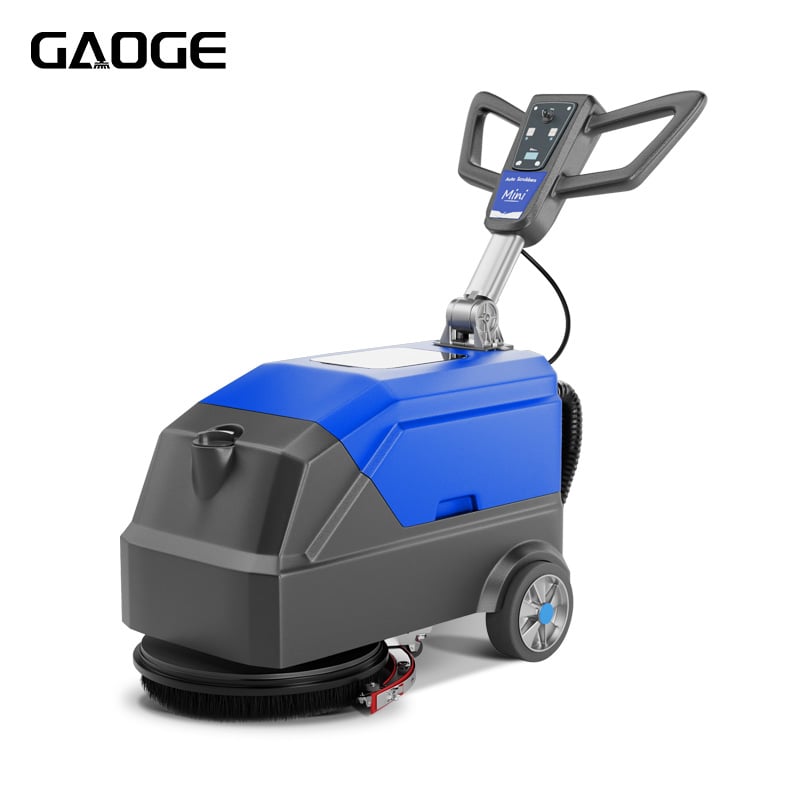
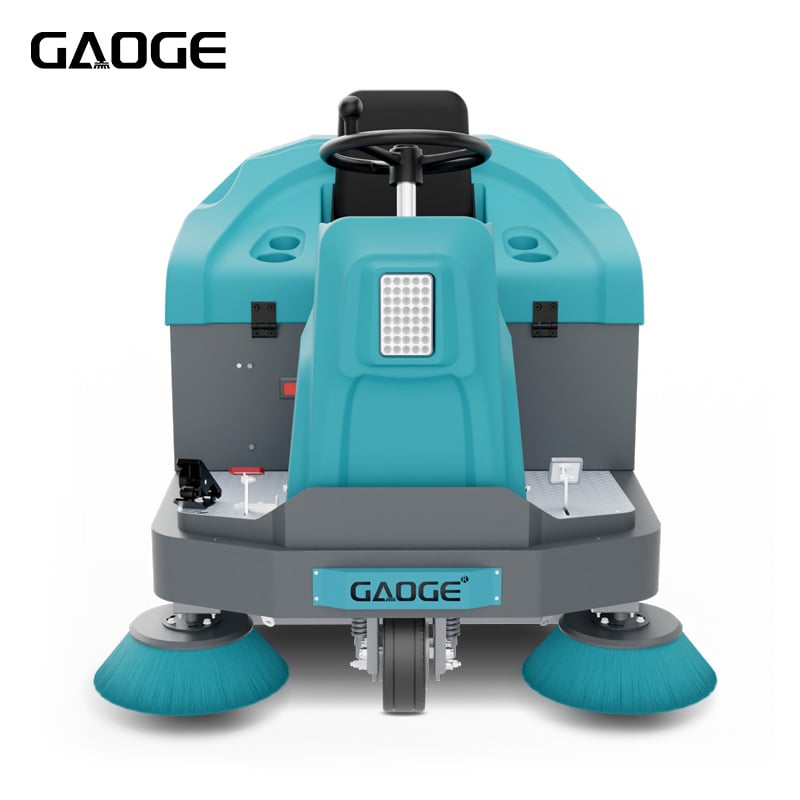
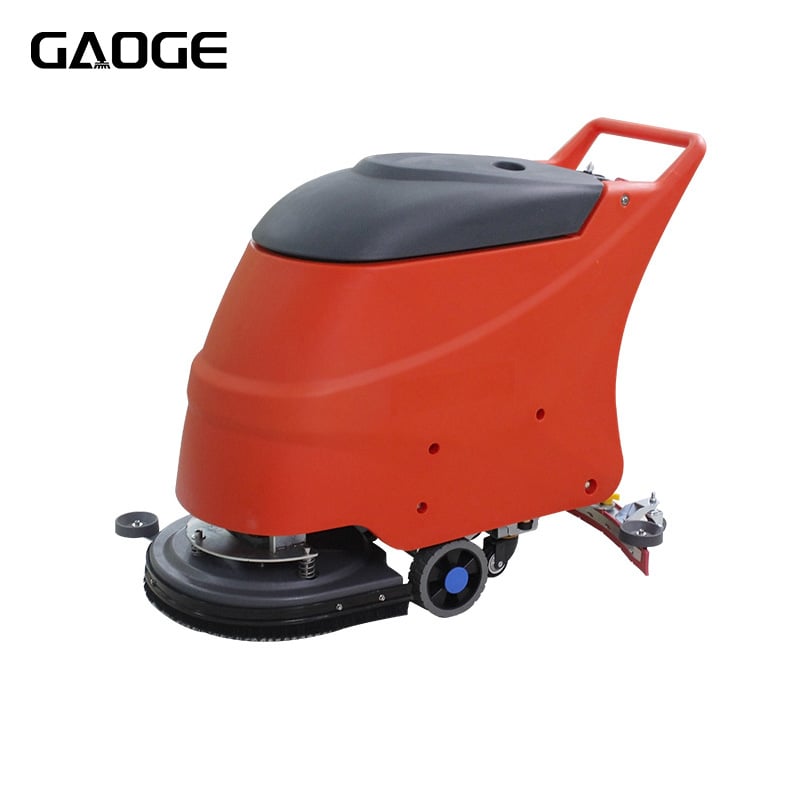
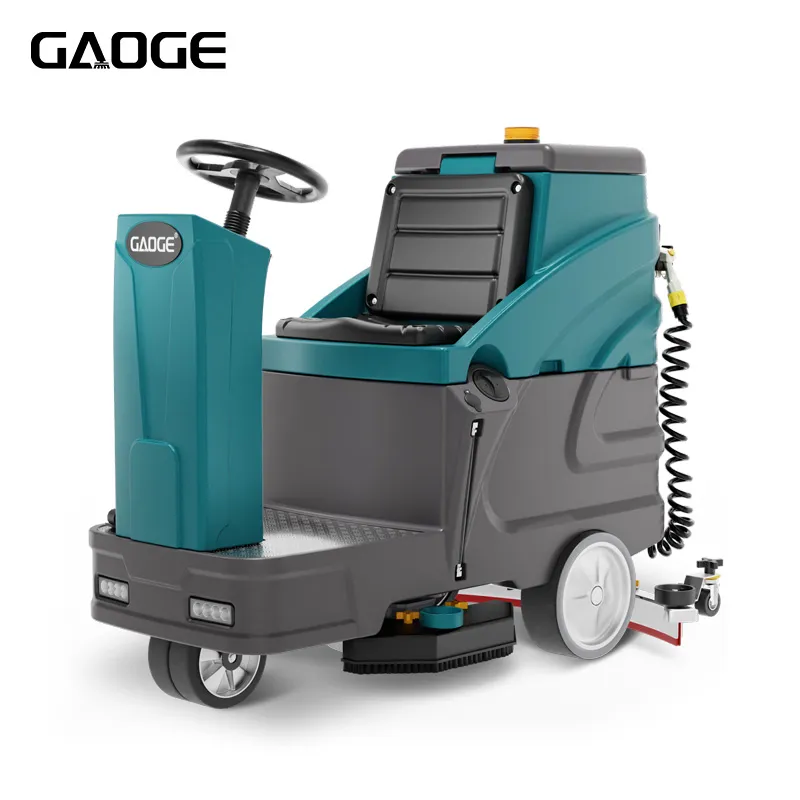
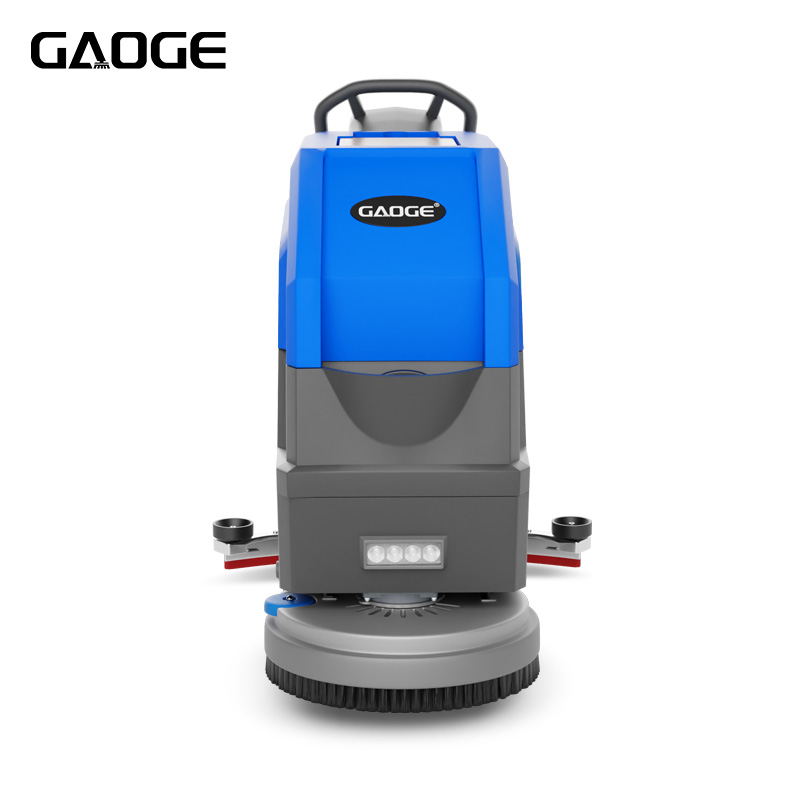
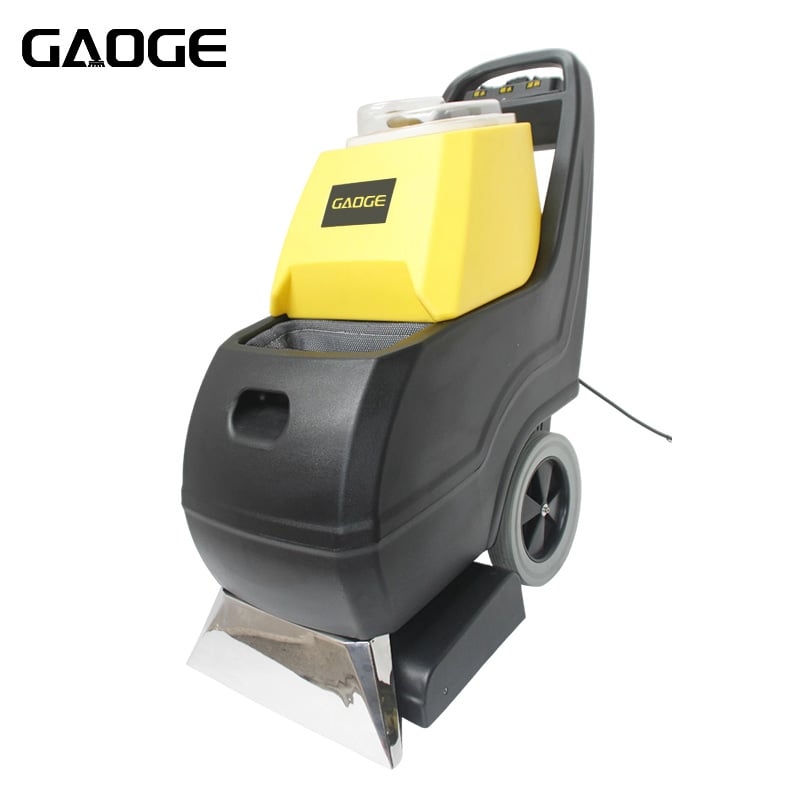
Traditional floor scrubbers rely on a trained operator. Cleaning performance depends on:
Operator experience
Shift scheduling
Route consistency
Supervision quality
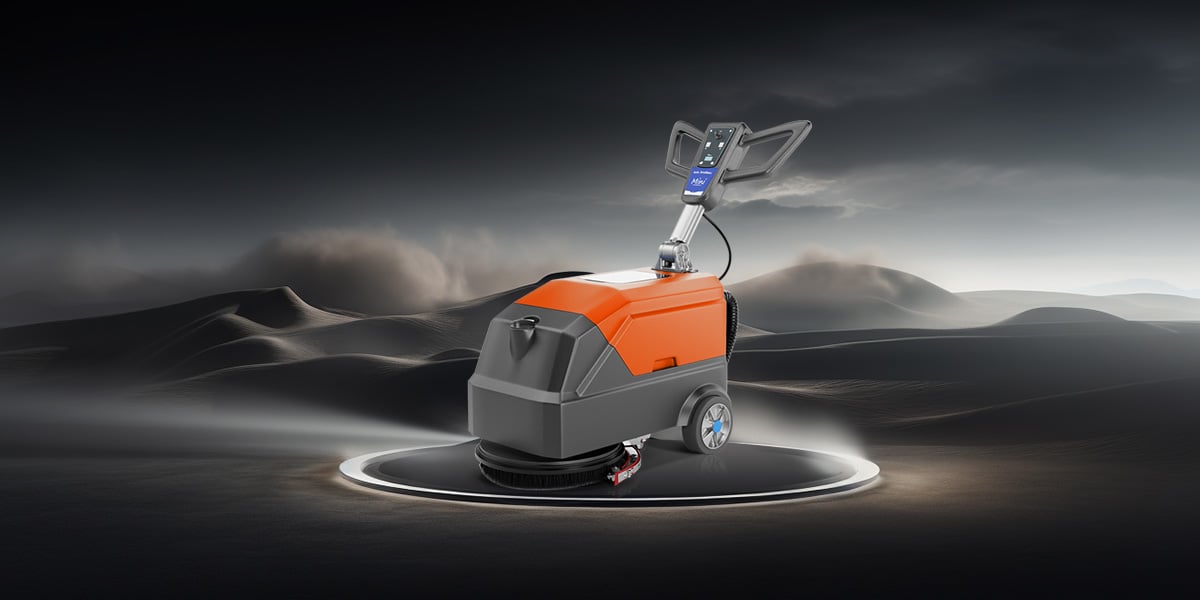
An autonomous floor cleaning robot operates differently. Equipped with laser SLAM navigation, it can:
Build indoor maps
Plan optimized cleaning routes
Adjust to obstacles in real time
Return automatically to a charging station
Once tasks are scheduled, the robot works independently with minimal intervention.
Labor cost is one of the main drivers behind cleaning automation.
With traditional equipment:
Each machine requires a dedicated operator
Multiple shifts may be needed for large facilities
Workforce stability directly affects cleaning continuity
With an autonomous cleaning robot:
Daily supervision is reduced
One manager can oversee multiple units
Cleaning schedules remain consistent regardless of staffing fluctuations
In regions where labor costs are rising, this difference becomes increasingly significant over time.
Manual cleaning machines can achieve high coverage rates, but consistency depends on operator discipline.
Robotic floor scrubbers follow pre-planned routes, which improves:
Repeatability
Area coverage stability
Data tracking accuracy
For medium to large indoor spaces, this predictable path planning reduces missed sections and overlapping passes.
Traditional scrubbers typically operate based on battery capacity and operator shifts.
Modern autonomous floor cleaning robots often feature:
Lithium battery systems
Several hours of continuous scrubbing
Automatic docking and charging options
This enables overnight or off-peak cleaning without requiring on-site operators.
In public environments such as hospitals, shopping malls, and transportation hubs, safety features are essential.
Autonomous robotic scrubbers commonly integrate:
Multi-sensor fusion
3D obstacle detection
Anti-collision protection
Anti-drop safeguards
Noise control is also an important factor, particularly in medical and hospitality environments.
Traditional machines offer limited operational data.
Autonomous cleaning robots often support:
APP connectivity
Real-time monitoring
Task scheduling
Cleaning performance records
For facilities adopting smart management systems, this digital transparency is becoming increasingly valuable.
In practice, many commercial facilities are not eliminating traditional scrubbers entirely. Instead, they are adopting a hybrid approach:
Robotic floor scrubbers for routine, high-frequency cleaning
Manual machines for specialized or irregular tasks
This balanced model allows businesses to improve operational efficiency while maintaining flexibility.
As autonomous cleaning technology continues to mature, more facilities are evaluating how robotic systems can complement existing equipment rather than simply replace it.
 Hot News
2026-10-16
2026-10-09
2026-09-11
2026-08-25
2026-05-01
2026-04-27



Gaoge factory support OEM and ODM , have kinds of cleaning equipment production lines with more than 10 years experience.Main products are mini floor scrubber ,walk behind floor scrubber ,ride on floor scrubber , sweep machine ......
Gaoqiao Industrial Park, Jingang Town,Suzhou, Jiangsu, China
Copyright © 2025 Zhangjiagang Gaoge Cleaning Equipment Co., Ltd.All rights reserved. Privacy Policy
 EN
EN