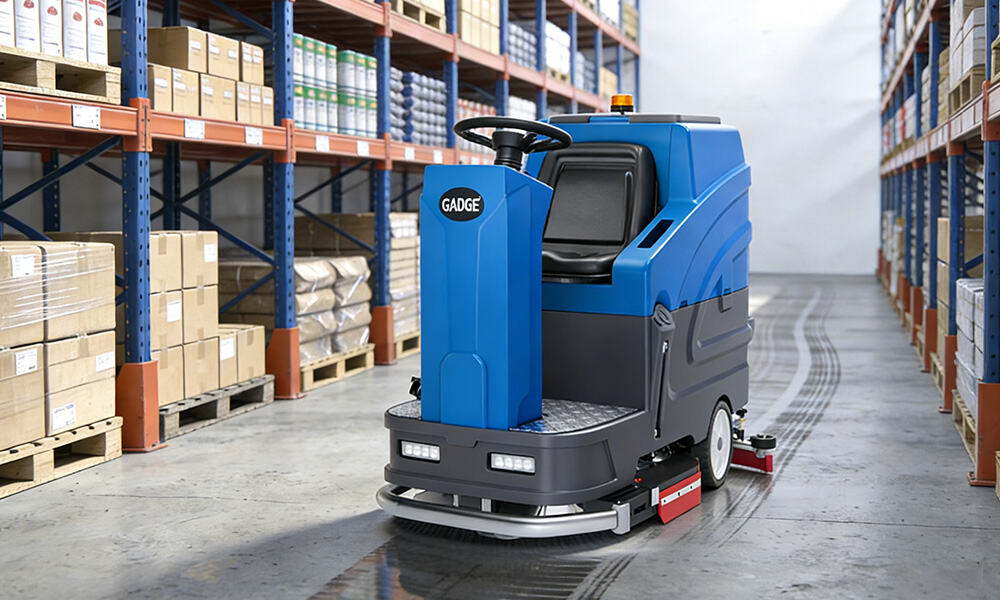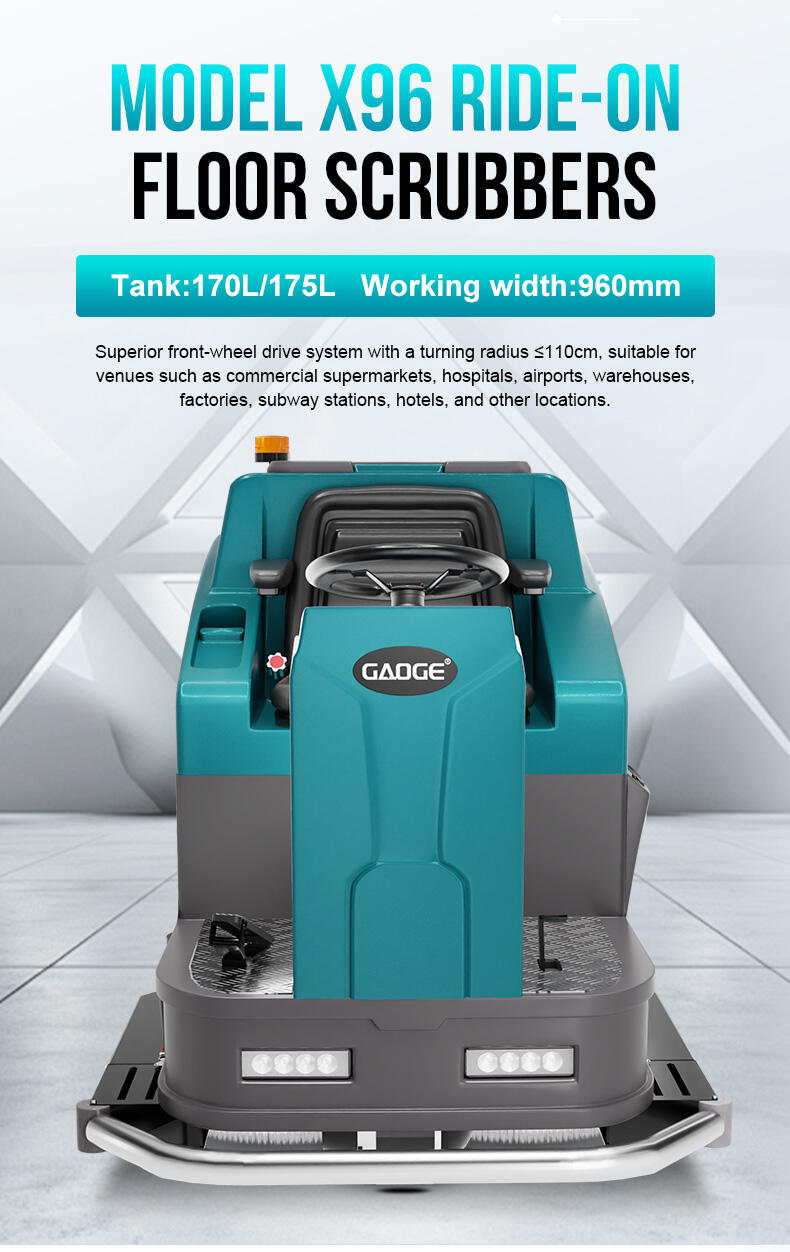
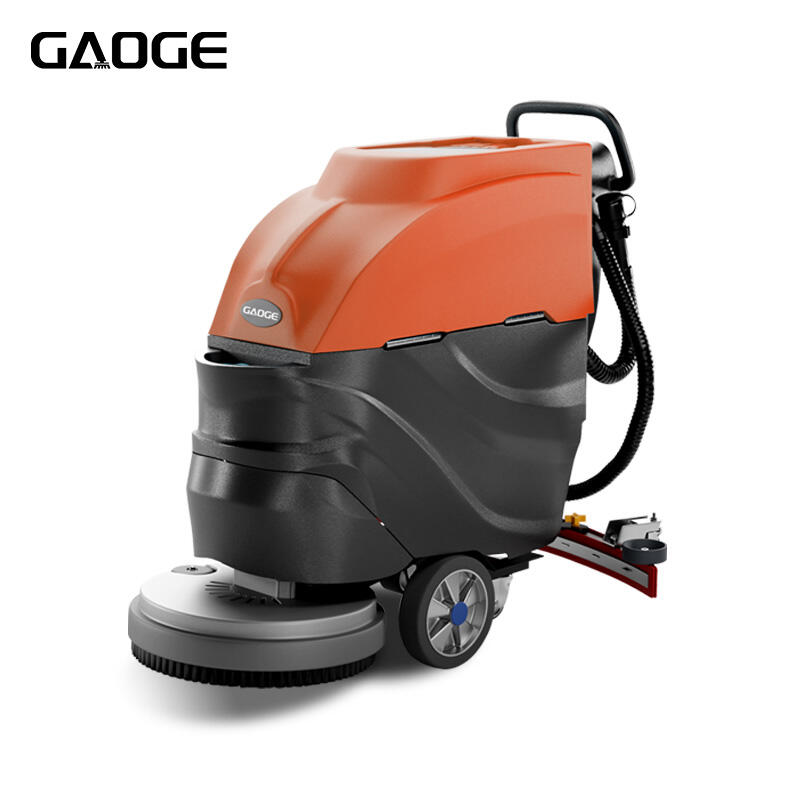
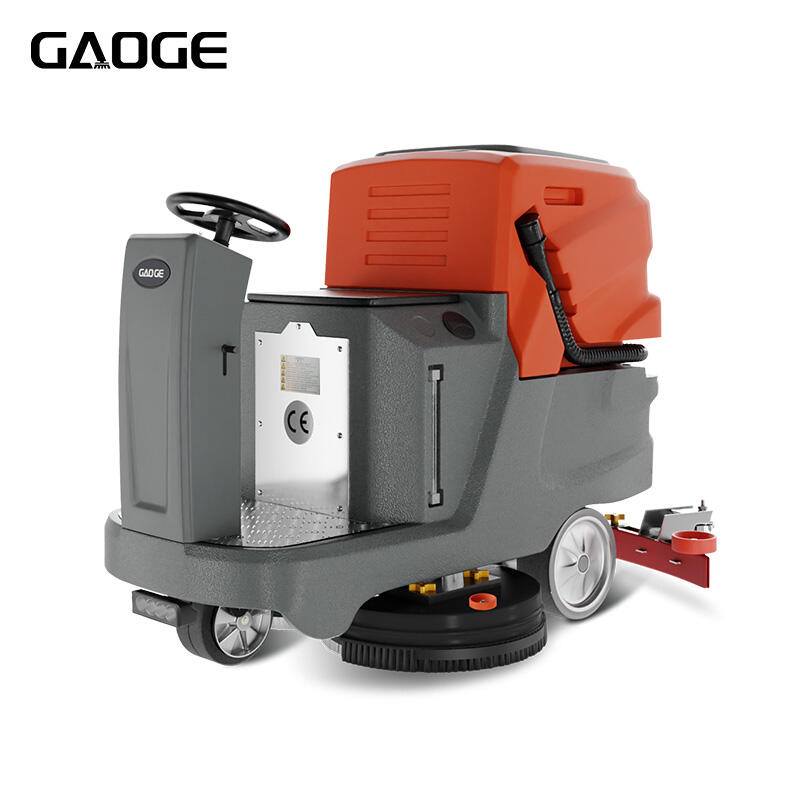
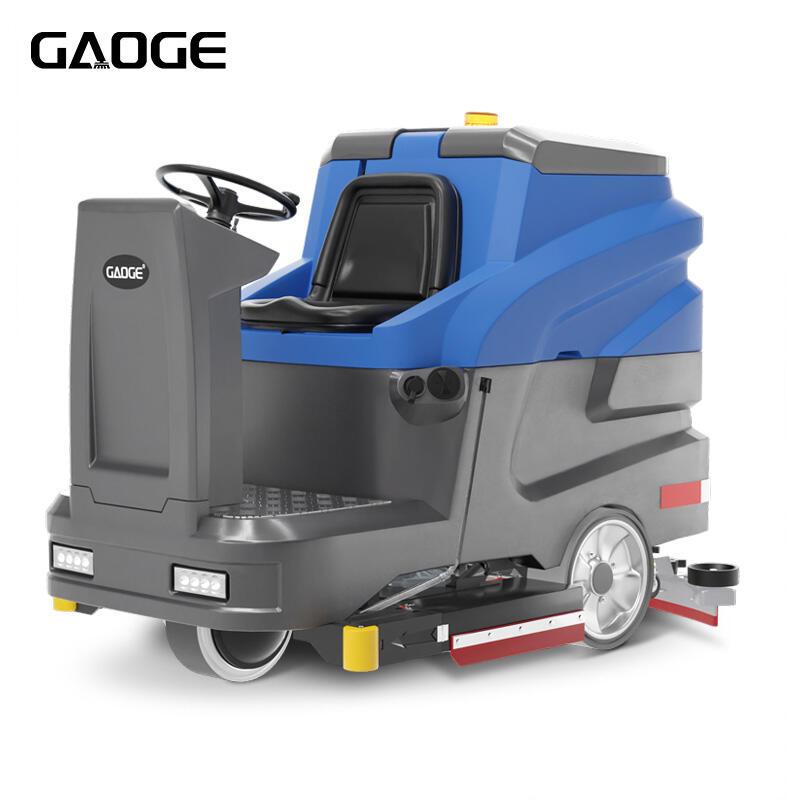
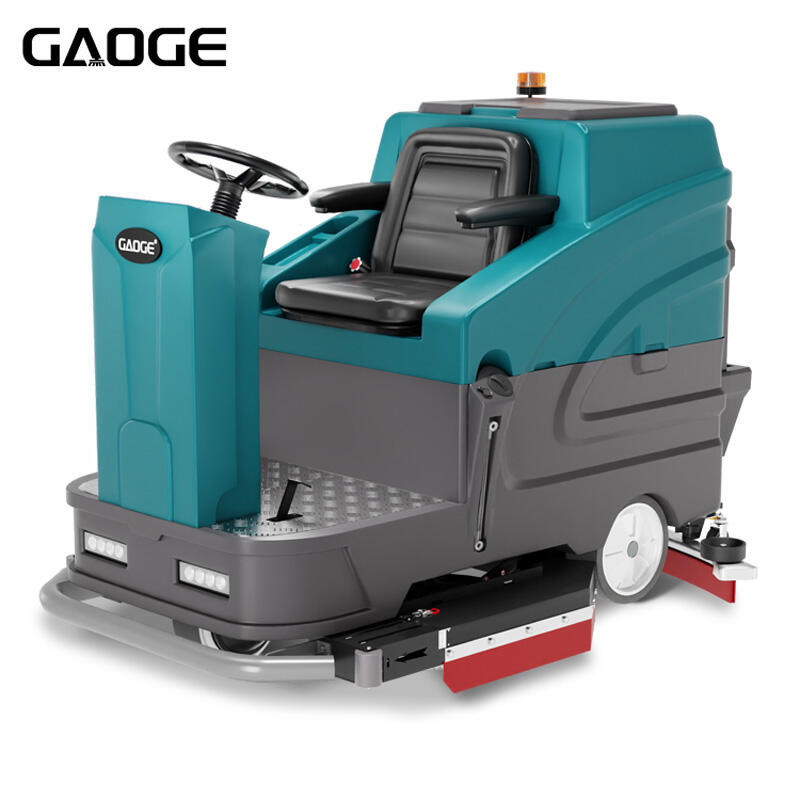
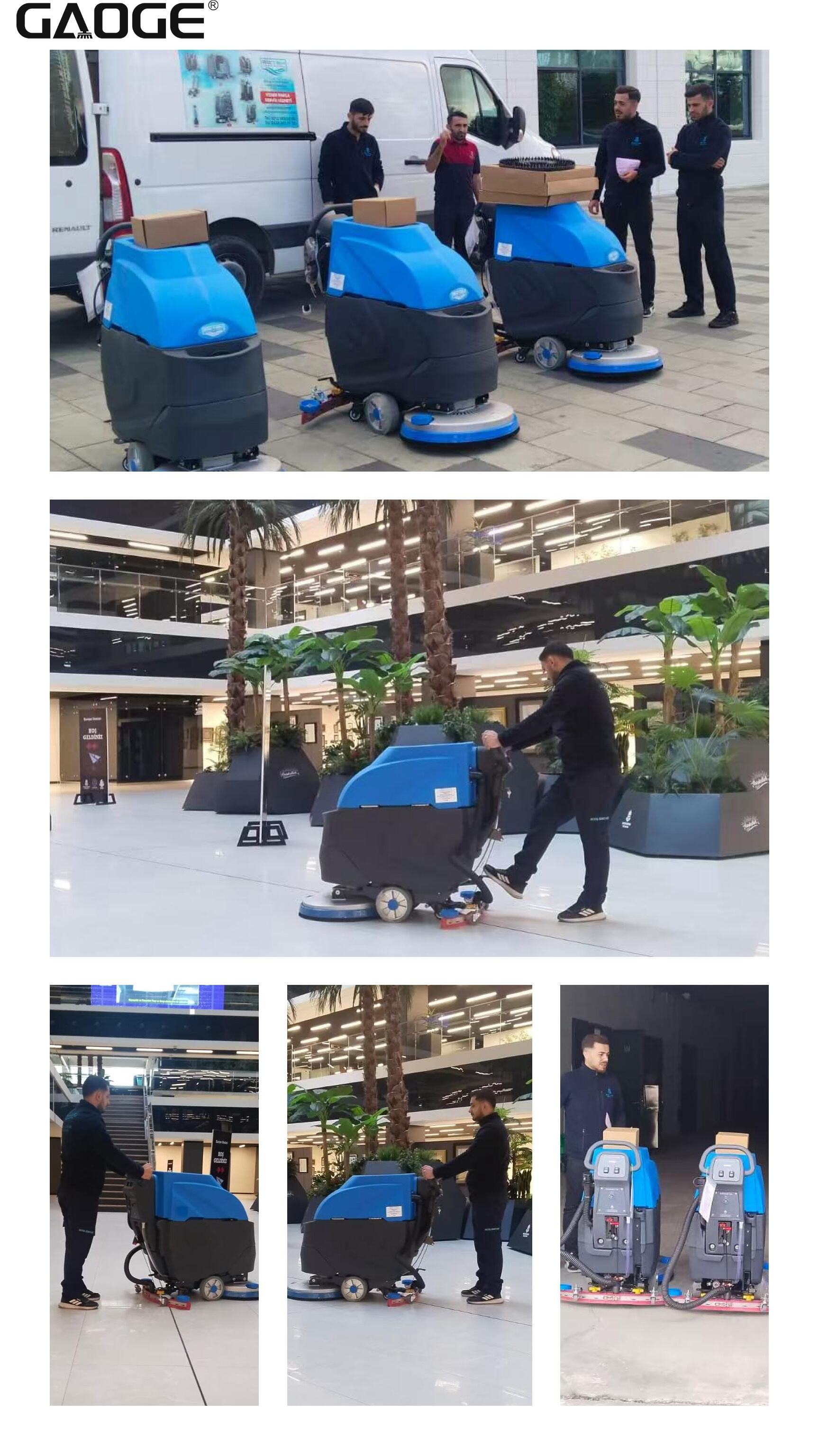
Facility managers and cleaning supervisors recognize that equipment which reduces operator fatigue, accommodates users of varying physical characteristics, and provides comfortable operation during extended shifts directly impacts cleaning program effectiveness, operator satisfaction, and safety, making the floor scrubber ergonomic design from Zhangjiagang Gaoge Cleaning Equipment Co., Ltd. a valuable asset for organizations prioritizing operator well-being. This floor scrubber ergonomic design features adjustable operator stations that accommodate users of varying heights and body types, intuitive control placements that reduce reaching and twisting, vibration-dampening systems that minimize fatigue during extended operation, and cushioned support surfaces that provide comfort during multi-hour cleaning shifts across large commercial and industrial facilities. With over 20 patents supporting our human-centered engineering, the floor scrubber ergonomic design incorporates reduced noise levels through sound-dampening materials and optimized component layouts, smooth steering and handling that require minimal physical effort, and clear sightlines that reduce neck and back strain by eliminating the need for awkward positioning to view the cleaning path and surroundings. The floor scrubber ergonomic design is manufactured with self-produced components in our 10000-square-meter facility, ensuring that the ergonomic features are precisely engineered and consistently implemented across units, with durable materials that maintain their ergonomic properties throughout the equipment’s operational life. Facility managers, safety officers, and cleaning supervisors appreciate that our floor scrubber ergonomic design can be customized with enhanced operator comfort features including premium seating, additional vibration dampening, customized control placements, and adjustable components that accommodate operators with specific ergonomic requirements, ensuring that cleaning teams can maintain productivity and consistency across shifts while reducing the risk of operator fatigue-related injuries.