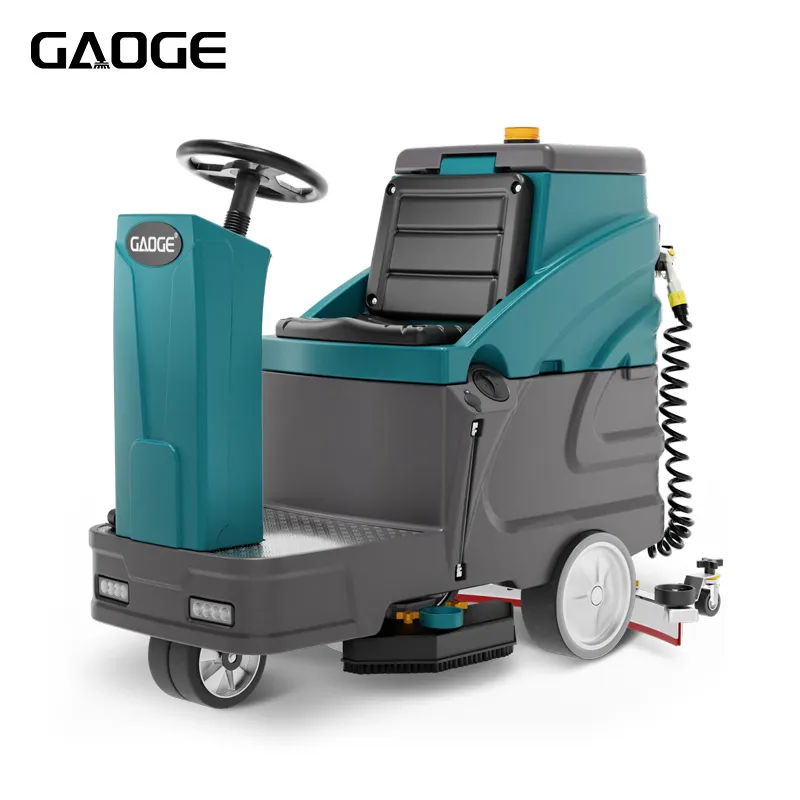
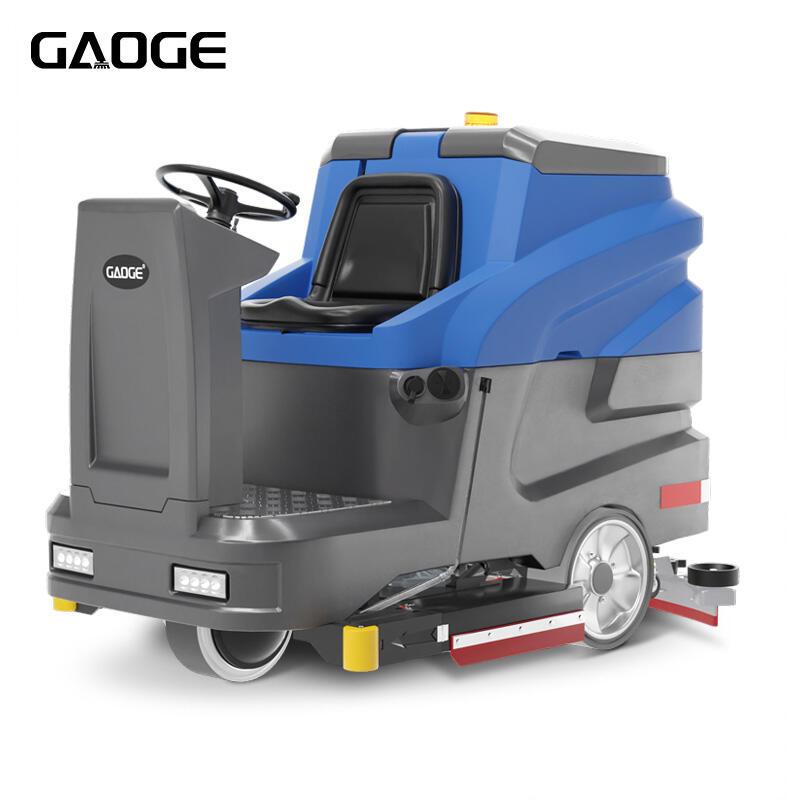
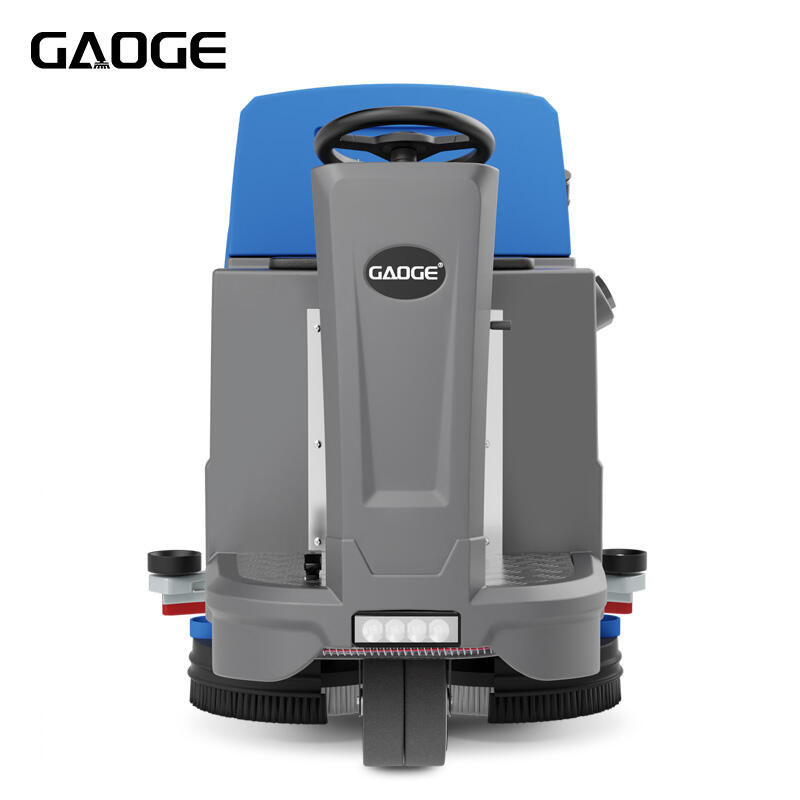
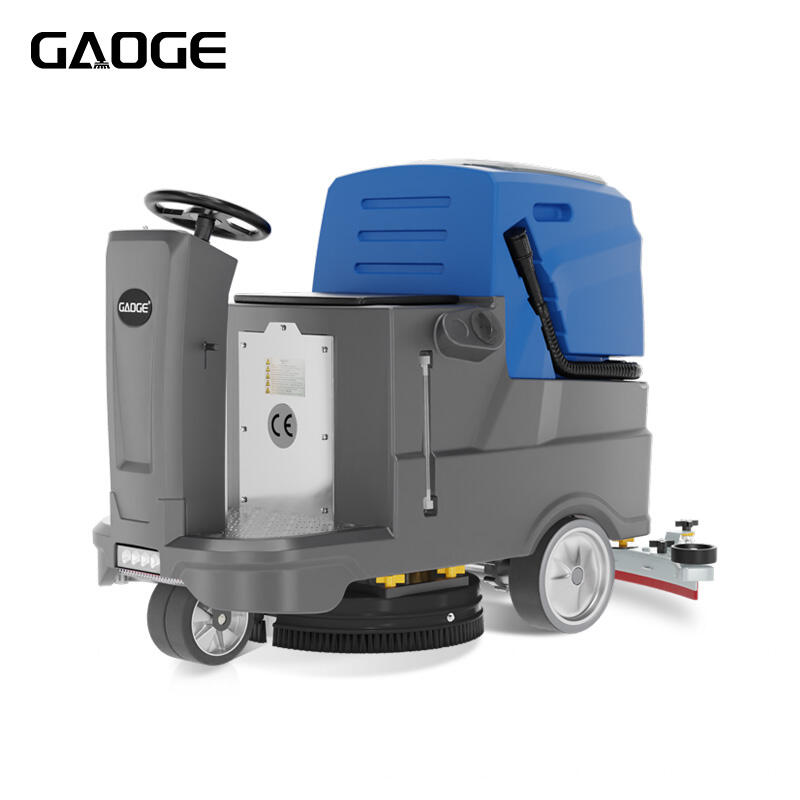
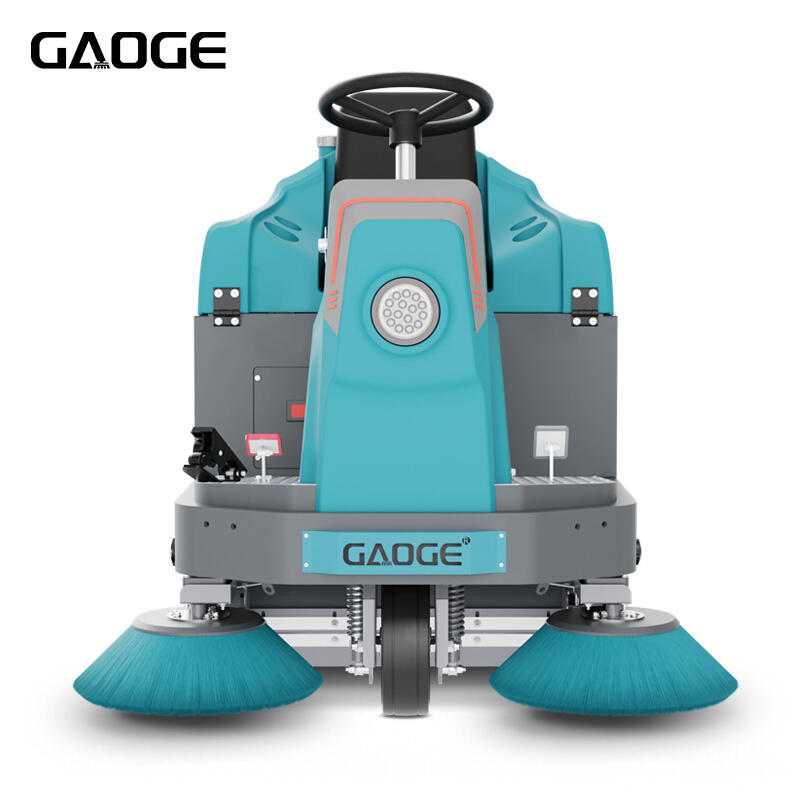
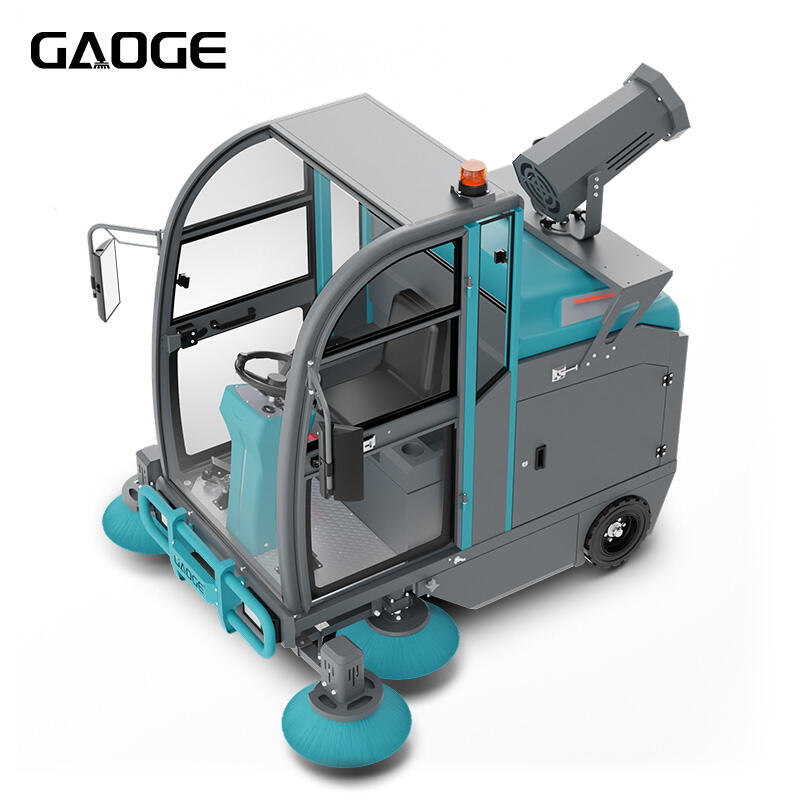
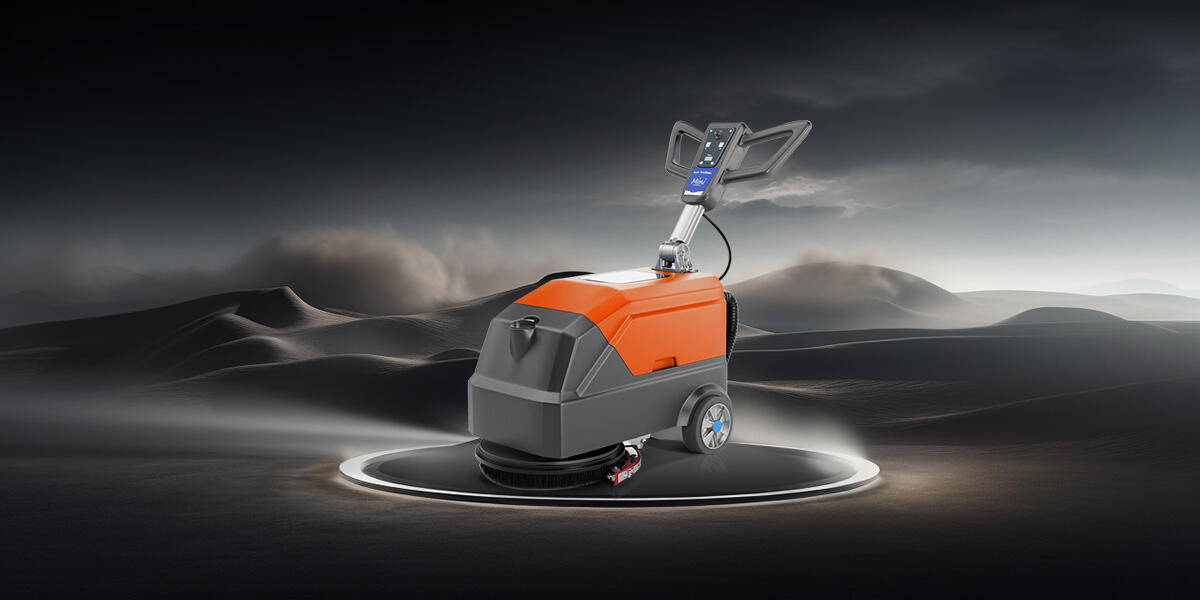
Walk into a modern airport, logistics warehouse, or shopping mall today, and you may notice something different. Instead of a staff member operating a ride-on machine, a compact robotic unit moves steadily across the floor, navigating around people and obstacles on its own.
Autonomous floor cleaning robots are no longer experimental technology. They are becoming part of everyday facility management.
For many commercial and industrial facilities, cleaning is a daily, high-frequency task. Large areas such as factories, hospitals, subway stations, and retail centers require consistent floor maintenance to meet safety and hygiene standards.
At the same time, facility managers are facing:
• Rising labor costs
• Difficulty recruiting and retaining operators
• Increasing expectations for cleaning quality
• Pressure to improve operational efficiency
Traditional ride-on floor scrubbers remain effective, but they rely heavily on trained operators and fixed shifts. As labor conditions change, businesses are looking for more stable and predictable solutions.
This is where commercial cleaning automation begins to make practical sense.
One of the most important developments behind autonomous cleaning equipment is SLAM navigation (Simultaneous Localization and Mapping).
With laser-based SLAM technology, a robotic floor scrubber can:
• Build accurate indoor maps
• Plan optimized cleaning routes
• Adjust paths in real time
• Avoid dynamic obstacles
• Return automatically to a charging station
This allows the machine to operate independently after initial setup. In large indoor spaces, consistent path planning also improves coverage stability compared to manual operation.
Rather than replacing traditional equipment entirely, many facilities are integrating autonomous floor cleaning robots alongside existing machines to improve overall efficiency.
Modern autonomous cleaning robots are no longer limited to basic scrubbing functions. Many systems now integrate:
• Floor scrubbing and water recovery
• Dust pushing capabilities
• Multi-sensor safety protection
• 3D obstacle detection
• APP-based monitoring
With mobile connectivity, facility managers can monitor cleaning status, schedule tasks, and review operational data remotely. This shift turns cleaning equipment into part of a broader smart facility management system.
The ability to track performance data is particularly valuable in environments such as hospitals and airports, where compliance and documentation are increasingly important.
Autonomous floor cleaning robots are typically developed for hard flooring surfaces, including:
• Epoxy floors
• Cement floors
• Marble
• Terrazzo
• Polished tiles
In these environments, stable suction performance, controlled noise levels, and reliable battery systems are essential.
For example, many robotic scrubbers now operate with lithium battery systems that support several hours of continuous cleaning, along with automatic or manual charging options. Controlled noise levels also make them suitable for public spaces where daytime cleaning is required.
The adoption of autonomous cleaning technology is not happening overnight. However, the direction is clear.
As commercial facilities seek greater operational stability and cost predictability, autonomous floor cleaning robots are moving from “innovative option” to “practical solution.”
In the coming years, robotic scrubbers are expected to become a standard component in factories, logistics centers, transportation hubs, hospitals, and retail environments worldwide.
Manufacturers are continuing to refine navigation accuracy, runtime performance, safety systems, and remote management features — signaling that the evolution of commercial cleaning automation is still underway.
 Hot News
2026-03-06
2026-03-04
2026-02-03
2026-01-27
2025-12-29
2025-11-26



Gaoge factory support OEM and ODM , have kinds of cleaning equipment production lines with more than 10 years experience.Main products are mini floor scrubber ,walk behind floor scrubber ,ride on floor scrubber , sweep machine ......
Gaoqiao Industrial Park, Jingang Town,Suzhou, Jiangsu, China
Copyright © 2025 Zhangjiagang Gaoge Cleaning Equipment Co., Ltd.All rights reserved. Privacy Policy
 EN
EN