 EN
EN

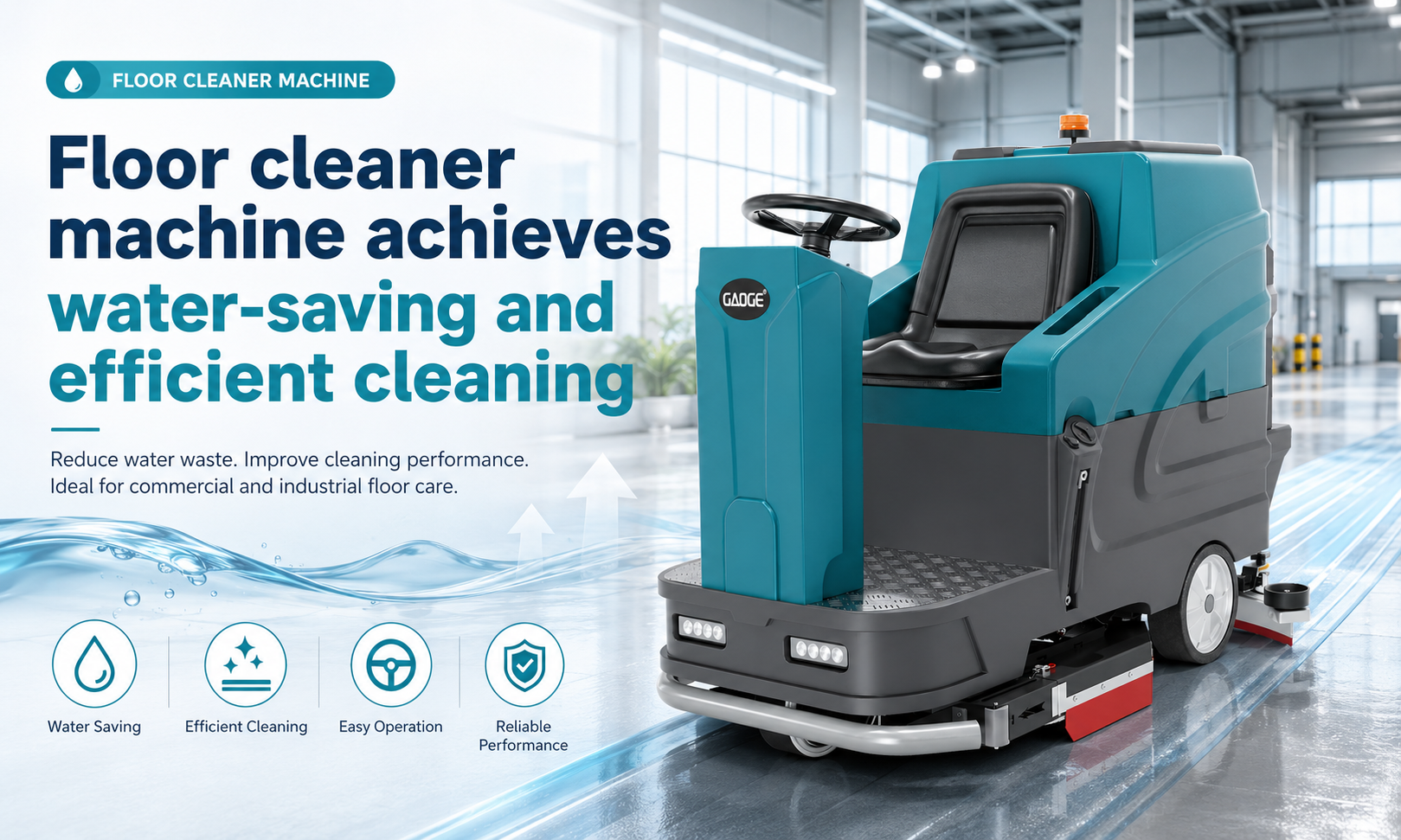
How Floor Cleaner Machines Achieve Significant Water Savings
Sensor-Driven Soil Detection for Precision Water Management
Modern floor cleaner machines use advanced sensors to detect soil levels in real time, replacing fixed-volume dispensing with dynamic, zone-specific water and detergent application. By measuring surface conductivity or optical reflectivity, these systems identify heavily soiled areas and adjust output accordingly—applying more solution where needed and minimizing flow on cleaner sections. This precision eliminates over-wetting, reduces drying times, and lowers slip hazards—without sacrificing cleaning efficacy. Soil-mapping algorithms continuously refine the spray pattern, ensuring optimal resource use with every pass.
Closed-Loop Water Recycling Systems (e.g., ReWater) Reducing Consumption by 50–60%
Closed-loop water recycling systems—such as ReWater technology—capture, filter, and reuse scrubbing water in real time. Through multi-stage filtration, debris and contaminants are removed, allowing the same water to be recirculated throughout the cleaning cycle. This cuts fresh water consumption by 50–60% compared to conventional scrubbers while maintaining consistent cleaning performance. Reduced wastewater volume also lowers disposal costs and supports environmental compliance—making it a cornerstone of sustainable facility operations.
Efficient Cleaning Performance: Scrub, Rinse, and Dry in One Pass
Integrated Scrubber Dryer Functionality Eliminates Manual Follow-Ups
High-performance floor cleaner machines integrate scrubbing, rinsing, and drying into a single, continuous pass. As the machine dispenses solution and agitates dirt with rotating brushes, its vacuum system simultaneously extracts dirty water into a sealed recovery tank. The result is an immediately clean, dry surface—eliminating the need for manual mopping, squeegeeing, or extended air-drying periods. This not only improves safety by reducing slip risks but also slashes labor time and operational downtime.
High-Efficiency Auto Scrubbers Optimized for Speed, Coverage, and Consistency
Engineered for commercial scale, high-efficiency auto scrubbers deliver rapid, uniform coverage through wide scrub decks, calibrated brush pressure, and balanced suction. Their optimized water distribution and recovery systems ensure consistent treatment across every square foot—no missed spots, streaks, or pooling. Facilities like hospitals, schools, warehouses, and supermarkets benefit from repeatable, professional-grade results at speeds unattainable with manual methods—enabling deeper cleaning during off-hours and tighter maintenance schedules.
Smart Dosing and Intelligent Control in Modern Floor Cleaner Machines
Real-Time Flow Sensors and Soil Mapping Algorithms for Adaptive Detergent and Water Use
Smart dosing relies on real-time flow sensors and embedded soil-mapping algorithms to dynamically calibrate detergent concentration and water volume. Rather than relying on operator judgment or preset dilutions, the system responds to actual soil load—preventing overdosing (which causes sticky residue and extra rinsing) and under-dosing (which triggers inefficient re-cleaning). Onboard dilution controls eliminate mixing errors, while IoT-enabled data logging supports usage analytics, predictive maintenance, and sustainability reporting. Together, these features reduce chemical waste, conserve water, and transform floor cleaning from a routine task into a measurable, cost-efficient, and environmentally responsible operation.
FAQ
What is closed-loop water recycling in floor cleaner machines?
Closed-loop water recycling refers to the process where scrubbing water is captured, filtered, and reused during cleaning. This technology reduces fresh water consumption and supports environmental sustainability.
How do sensors in floor cleaner machines help save water?
Sensors detect soil levels in real time and adjust water and detergent application accordingly. This minimizes water usage by targeting heavily soiled areas while reducing flow on cleaner sections.
What are the benefits of integrated scrubber dryer functionality?
Integrated scrubber dryer functionality combines scrubbing, rinsing, and drying into a single machine pass. This eliminates the need for manual follow-ups, reduces slip risks, and saves labor time.
How does smart dosing work in floor cleaning machines?
Smart dosing uses flow sensors and soil-mapping algorithms to adjust water and detergent quantities based on the actual soil load. This prevents overdosing, reduces chemical waste, and ensures efficient cleaning.
What types of facilities benefit most from high-efficiency floor cleaner machines?
Facilities like hospitals, schools, warehouses, and supermarkets benefit greatly due to their need for consistent, professional-grade cleaning at commercial scales and on tight schedules.
Table of Contents
- How Floor Cleaner Machines Achieve Significant Water Savings
- Efficient Cleaning Performance: Scrub, Rinse, and Dry in One Pass
- Smart Dosing and Intelligent Control in Modern Floor Cleaner Machines
-
FAQ
- What is closed-loop water recycling in floor cleaner machines?
- How do sensors in floor cleaner machines help save water?
- What are the benefits of integrated scrubber dryer functionality?
- How does smart dosing work in floor cleaning machines?
- What types of facilities benefit most from high-efficiency floor cleaner machines?
