 EN
EN

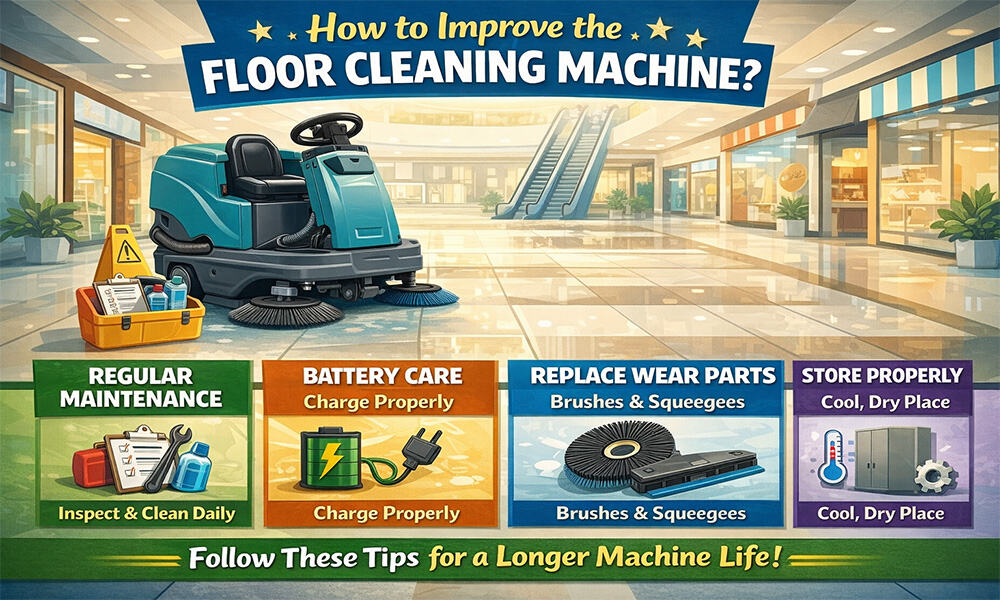
Daily Maintenance Routines for Optimal Floor Cleaning Machine Performance
Pre-Use and Post-Use Inspection and Cleaning Protocols
Starting and finishing every shift with a good look around makes all the difference. Operators should scan for anything out of place like loose connections, spots where fluids might be leaking, or dirt collecting on wheels, brush housings, and those squeegee parts. Don't forget to give control panels and handles a quick wipe too since grime builds up there fast. Keeping track of what's wrong when it happens is crucial stuff. Maintenance records aren't just paperwork; they actually work as early warning systems. Most folks don't realize this but regular logging catches about 30 percent fewer breakdowns according to Facility Management Journal research. Makes sense really – problems tend to repeat themselves until someone finally writes them down properly.
Cleaning Tanks, Reservoirs, and Fluid Pathways to Prevent Contamination
Make sure to empty out and give three good rinses to both solution and recovery tanks after each time they're used. Run clean water through all the fluid lines too. Don't forget those inlet filters either - they need scrubbing to get rid of any lingering chemicals and stubborn biofilm buildup. Neglecting these maintenance steps leads to problems down the road. Mineral deposits start forming pretty quickly along with microbes that will eventually block valves and pumps if left unchecked. When tanks stay contaminated, the whole cleaning process becomes about 40% less effective. Plus, parts wear out faster from corrosion when proper maintenance isn't done regularly.
Maintaining Brushes, Pads, Squeegees, and Filters Daily
After using them, give those brushes and pads a good rinse under running water until it comes out clean. Check the squeegee blades too for any little cuts or bends that might affect performance. Give the filters a few taps to shake loose whatever dirt has stuck inside before letting everything dry naturally. When parts get worn down, they put extra stress on the motor which leads to patchy cleaning across different areas. The best practice? Swap out those old pads every month instead of waiting until something breaks down. Field reports from folks who maintain commercial cleaning gear show machines last anywhere between two to three extra years when this regular replacement schedule is followed consistently.
Battery Management Strategies to Extend Floor Cleaning Machine Reliability
Monitoring Battery Health and Optimizing Charge Cycles
Good battery care makes all the difference when it comes to getting years out of equipment. Weekly voltage tests with a multimeter catch problems before they become major headaches. Keep lithium-ion batteries charged between 20% and 80% most of the time, saving full charges for when they'll sit unused for weeks. Temperature controlled charging stations are a must too. Lead acid batteries need special attention - every three months or so, let them fully discharge then recharge completely. And don't forget to track how long each charge takes. If those times start creeping up, that's often the first sign something's going wrong. Following these steps can cut down on unexpected breakdowns caused by bad batteries. According to Facility Maintenance Journal from last year, around seven out of ten sudden equipment failures actually come down to battery issues.
Risks of Poor Battery Care: Downtime, Reduced Runtime, and Early Failure
When people don't take proper care of batteries, three main issues tend to happen one after another. First comes the surprise downtime that throws off entire cleaning schedules. Then there's the reduced runtime which means having to charge more often, and this extra cycling actually wears out the battery faster. Worst of all is when batteries fail completely before their time, sometimes needing replacement costs between $800 and $2,000 as much as 18 months ahead of schedule. Letting batteries discharge too deeply puts real stress on the charging system. Corrosion at the terminals creates voltage problems that can mess with motor controllers over time. That's why keeping an eye on battery health makes such a difference in avoiding these stacked up problems down the road.
Component Replacement and Mechanical Calibration for Long-Term Floor Cleaning Machine Integrity
Timely Replacement of Wear-Prone Parts (Brushes, Squeegees, Filters)
When brushes get worn down they tend to leave those annoying streaks behind. Damaged squeegees will definitely lead to water pooling issues, while clogged filters just don't suck up dirt as effectively anymore. All these problems end up making the whole cleaning job less effective. Most manufacturers recommend replacing brushes somewhere between 300 to 500 hours of operation, though facilities with heavy foot traffic should probably check them out at least once a month. Putting off replacements can actually scratch floors and put extra stress on motors too. We've seen cases where delayed maintenance caused motor strain to jump around 30%, which speeds up how fast other parts start wearing out. Having spare parts ready nearby makes all the difference when trying to keep things running smoothly during busy cleaning periods.
Lubrication, Alignment, and Calibration of Moving Components
Regular lubrication of drive chains, wheel bearings, and those pivot points should happen around every 200 hours of operation. This helps reduce wear caused by friction which builds up over time. Checking alignments is also important work that ensures brushes apply pressure evenly across surfaces while keeping squeegees making good contact throughout their sweep path. Sensor systems along with pressure gauges need annual calibration for proper chemical dilution ratios. Even small errors here matter a lot - just a 5% deviation in solution concentration can really hurt cleaning effectiveness. When it comes to squeegee blades, getting them aligned correctly makes a big difference too. A misalignment issue might leave behind up to 40% more moisture than normal. Simple things like testing bolts for proper torque and adjusting track alignment when needed cost very little but go a long way toward extending equipment lifespan without needing expensive repairs or replacements down the road.
Proactive Monitoring and Scheduled Servicing to Maximize Floor Cleaning Machine Lifespan
Early Warning Signs of Degradation: Unusual Noises, Leaks, or Performance Loss
Keep an ear out for those annoying grinding or whining noises coming from the equipment, since they usually mean the motor bearings are starting to wear down. Catch any fluid leaks as soon as possible, whether they're dripping from hoses, coming through seals, or escaping around tank gaskets. Left unchecked, these leaks can lead to serious corrosion problems and even create dangerous electrical situations. When performance starts dropping off, like when floors end up streaky after cleaning or suction power seems weaker than normal, it's typically because filters have gotten clogged, brushes are worn out, or something has gone off track with calibration settings. Fixing these issues before they get worse saves money in the long run too. Studies show proactive maintenance can cut repair bills nearly in half compared to waiting until things break completely. And let's face it, nobody wants their whole system shutting down on them just weeks later when regular upkeep could have kept everything running smoothly.
Adhering to Manufacturer Maintenance Schedules and Warranty Requirements
Sticking to those manufacturer recommended service schedules makes all the difference. That means oiling parts every month, checking things over each quarter, and getting everything calibrated once a year. When companies follow these guidelines religiously, they actually keep their warranties intact instead of accidentally voiding them because something went wrong that could have been prevented. Plants that keep thorough records with dates on every maintenance task report about 30 percent fewer equipment failures throughout the year, plus their machines tend to last anywhere from three to five extra years before needing replacement. Regular servicing isn't just another expense item on the books – it's really an investment strategy that pays off through longer operating hours and better overall performance from the machinery.
FAQ Section
What are the consequences of neglecting battery maintenance?
Neglecting battery maintenance can lead to surprise downtime, reduced runtime, and early battery failure. Ultimately, this can result in increased operational costs and the need for early replacement.
How often should brushes, squeegees, and filters be replaced?
Brushes, squeegees, and filters should be replaced between 300 to 500 hours of operation, but facilities with heavy foot traffic should check and replace them at least once a month.
Why is it important to adhere to manufacturer maintenance schedules?
Adhering to manufacturer maintenance schedules helps in keeping warranties intact and significantly reduces equipment failures, extending the machine's lifespan.
Table of Contents
- Daily Maintenance Routines for Optimal Floor Cleaning Machine Performance
- Battery Management Strategies to Extend Floor Cleaning Machine Reliability
- Component Replacement and Mechanical Calibration for Long-Term Floor Cleaning Machine Integrity
- Proactive Monitoring and Scheduled Servicing to Maximize Floor Cleaning Machine Lifespan
- FAQ Section
