 EN
EN

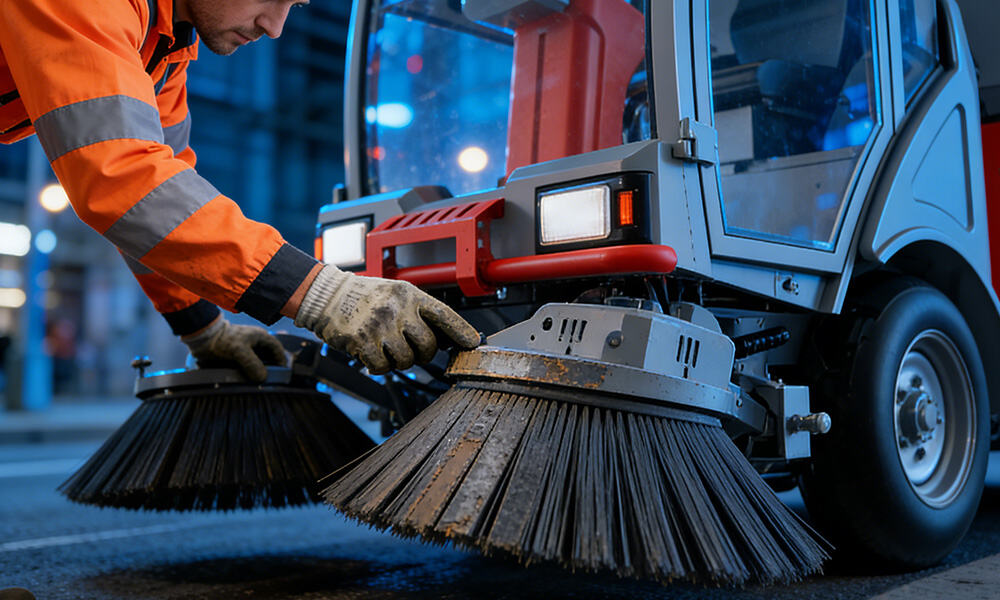
Daily and Weekly Street Sweeper Maintenance Protocols
Consistent street sweeper maintenance prevents unexpected downtime and extends equipment lifespan. Municipal teams implementing structured daily and weekly routines see up to 30% longer operational life and reduce annual repair costs by 22%, per municipal fleet studies.
Pre-Operation Safety and Functionality Checks
Before starting any shift, run through a quick visual inspection routine. Make sure those emergency stop buttons work when needed, check that backup alarms are audible, and confirm all lights are functioning correctly. Take a look at the broom tension and see if hopper seals show signs of wear. Don't forget to examine hydraulic hoses for any potential leaks either. Water spray nozzles need testing too since clogging them can boost particulate emissions around 40 percent. Tire pressure matters quite a bit actually. Keep it within what the manufacturer recommends because running on improperly inflated tires wears them down faster and makes collecting debris less effective overall. Record engine oil, coolant, and hydraulic fluid levels regularly using standard checklists so we can track maintenance patterns over time and spot issues early.
Critical Weekly Inspections: Hydraulic Fluid, Filters, Belts, and Bearings
Check the hydraulic fluid every week for how clear it looks and whether it feels thick enough. If the fluid turns dark or starts foaming, that means something bad has gotten into the system and needs flushing right away. Look at those air filters too. When they get clogged with dust and dirt, the suction power drops dramatically sometimes as much as two thirds. Give those drive belts a good spin while checking for cracks or rough spots along the edges. Any belt that stretches out more than about three percent of its original size should go straight into the trash bin. During test runs, put your ear close to the bearings. A grinding sound usually means the lubricant has failed completely. Use an infrared thermometer to measure both belt tension and bearing temps, comparing them to what's normal for the equipment. Mechanics who keep track of all these things on a regular basis report seeing failures drop by around a third in their maintenance shops according to some studies from city garbage truck fleets.
Broom Maintenance and Replacement Strategies for Maximum Debris Capture
Assessing Broom Wear: Tip Loss, Stiffness, and Contact Angle Metrics
Keeping brooms in good shape starts with regularly checking how worn they get. A quick monthly check on bristle length makes sense since when tips shrink below about 15% of their original size, the broom just isn't picking up dirt as well anymore maybe even losing around 40% efficiency. Test stiffness too by pressing down on the bristles. If they don't spring back within two seconds or so, that's usually a sign the materials are starting to break down. For those who care about precision, grabbing a digital inclinometer helps track contact angles. When angles drift more than 5 degrees from what the manufacturer recommends, we tend to see uneven wear patterns develop along with more debris building up in gutters over time. Writing down all these numbers creates a reference point for knowing when replacement becomes necessary rather than guessing based on looks alone.
Optimizing Replacement Timing: Hours-Based vs. Telematics-Triggered Schedules
The old way of replacing equipment based purely on clock time tends to result in either throwing away perfectly good tools too soon or dealing with sudden breakdowns when least expected. Most folks still go by the 250 to 300 hour rule of thumb for those plastic bristle brooms, but there's something better out there now. Systems that use telematics actually work much smarter. With sensors monitoring how hard the bristles are pressing against surfaces, what kind of resistance they meet during rotation, plus all sorts of vibration data points, these smart systems can spot potential problems well over a day ahead of time. This early warning cuts down on wasted materials by around twenty percent and keeps machines running through entire shifts without interruption. Cities that have made the switch tell us their brooms last about thirty percent longer overall than before when everything was just scheduled replacements.
Seasonal and Environmental Adaptations in Street Sweeper Maintenance
Winter Challenges: Salt Corrosion, Hydraulic System Protection, and Hopper Residue Management
The harsh winter takes a real toll on street sweepers, especially since road salt eats away at metal surfaces over time. To combat this damage, crews should rinse out the undercarriage every day and consider applying those special corrosion resistant coatings when possible. Switching to hydraulic fluids designed for lower temps makes sense too, along with checking all the seals once a week before they start acting up in freezing weather. Don't let hopper residue build up overnight either it needs to go right after each work shift. Sprinkle some anti caking agent in there as well to keep things from turning into solid blocks of ice and dirt. According to last year's Winter Fleet Operations report, taking these steps ahead of time can cut down equipment failures in cold weather by nearly half, which means fewer breakdowns and smoother operation when clearing snow becomes absolutely essential.
Summer and Dry-Season Adjustments: Dust Suppression System Integrity and Filter Loading
When there's a lot more dust floating around during droughts, our regular filtration and dust control systems get pushed to their limits. Make sure those water spray nozzles are properly aligned each day and check the pressure settings so they stick to particles effectively. Places with heavy dust should cut down on how often we inspect primary filters about half the normal time frame. This helps avoid clogs that can drop suction power by almost a third. HEPA filters really shine during long dry periods, grabbing those tiny microns and lasting longer between replacements too. Having protocols that adapt to changing weather conditions keeps us compliant with air quality standards and saves money in the long run since it stops engines from wearing out too fast.
Leveraging Telematics for Predictive Street Sweeper Maintenance
Street sweeper maintenance is getting a major upgrade thanks to telematics technology that shifts focus from fixing things after they break to catching problems before they happen. The system works through sensors that keep an eye on all sorts of parameters including hydraulic pressure levels, engine temps, and how fast those sweeping brushes are spinning around. These sensors pick up on weird patterns long before any actual damage occurs. Maintenance crews can then plan their work ahead of time instead of scrambling when something breaks down mid-job. Some cities report cutting unexpected downtime by nearly a third based on what fleet managers have seen in practice. For city sanitation workers dealing with tight budgets, this kind of predictive maintenance really cuts costs over time while keeping those expensive machines running longer between replacements. What makes it so effective? The software looks at current performance numbers alongside past failures to send warnings when parts need replacing or adjusting. This matters most for components that wear out quickly like sweeping brushes and air filters where even small delays mean big drops in how well dirt gets picked up off streets.
FAQ
What are the key benefits of regular street sweeper maintenance?
Regular maintenance of street sweepers helps prevent unexpected downtime, extends equipment lifespan, and reduces annual repair costs by up to 22%, based on municipal fleet studies.
How can telematics improve street sweeper maintenance?
Telematics improve street sweeper maintenance by providing early warnings of potential issues, thus avoiding sudden breakdowns. It monitors various parameters through sensors and sends alerts when parts need replacing or adjusting.
What seasonal adaptations are necessary for street sweeper maintenance?
During winter, it is essential to protect against salt corrosion and manage hopper residue. In summer, focus on dust suppression system integrity and filter loading to handle increased airborne dust.
How often should brooms be checked and possibly replaced?
Brooms should be checked monthly for tip loss, stiffness, and correct contact angles. Typically, replacement is recommended every 250 to 300 hours, but telematics can optimize timing.
