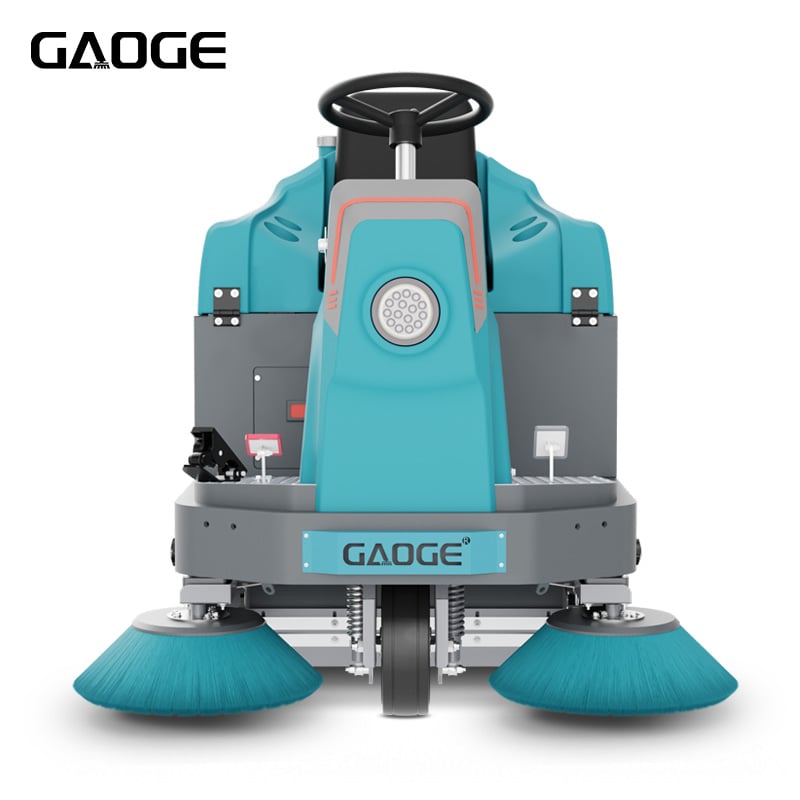
Većina standardnih vozila na čistačima i tim velikim autočistačima treba najmanje 48 inča prostora samo da bi pravilno funkcionirali. Kada govorimo o uskim prolazima u maloprodajnim objektima ispod 36 inča, uskim bolničkim hodnicima ili uskim skladišnim putevima, ti strojevi u osnovi prestaju biti korisni i umjesto toga postaju problemi. Način na koji su izgrađeni tjera radnike da rade više smjena što traje otprilike 40 posto duže za završetak svakog čišćenja, plus ostavi prljave točke iza uglova, pored skladišta, i svuda oko opreme. Prostoriji koji su već uski postaju još gori kada postoji mogućnost sudara dramatično raste. To ugrožava i inventar i stvara sigurnosna pitanja za sve koji rade u blizini. Zbog ove situacije, mnogi upravitelji objekata na kraju se suočavaju s izborom između područja koja nisu dovoljno očistiti ili provode dodatne sate radeći dosadno čišćenje ruku nakon događaja.
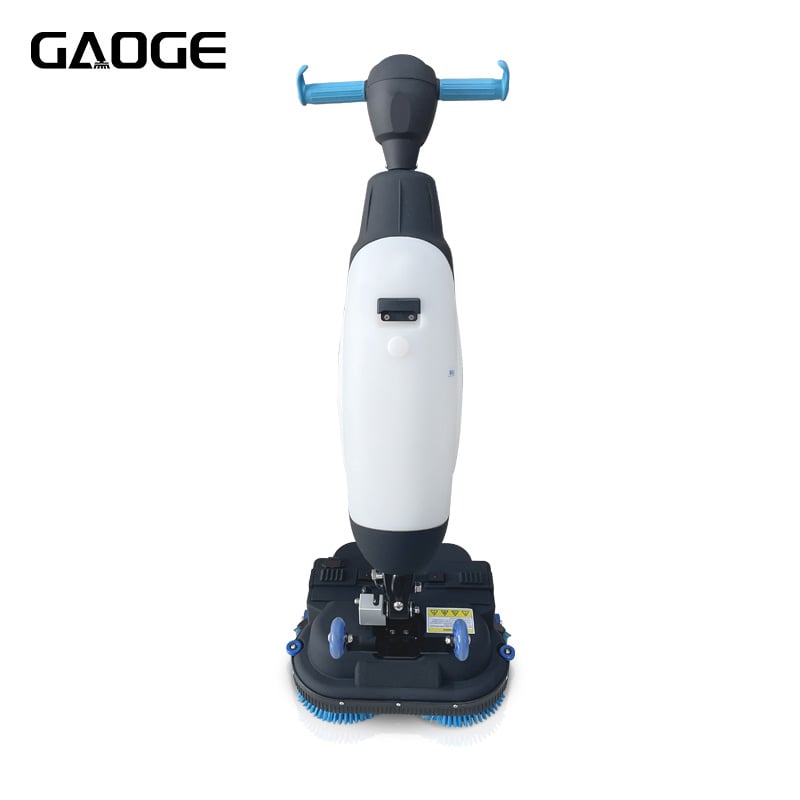
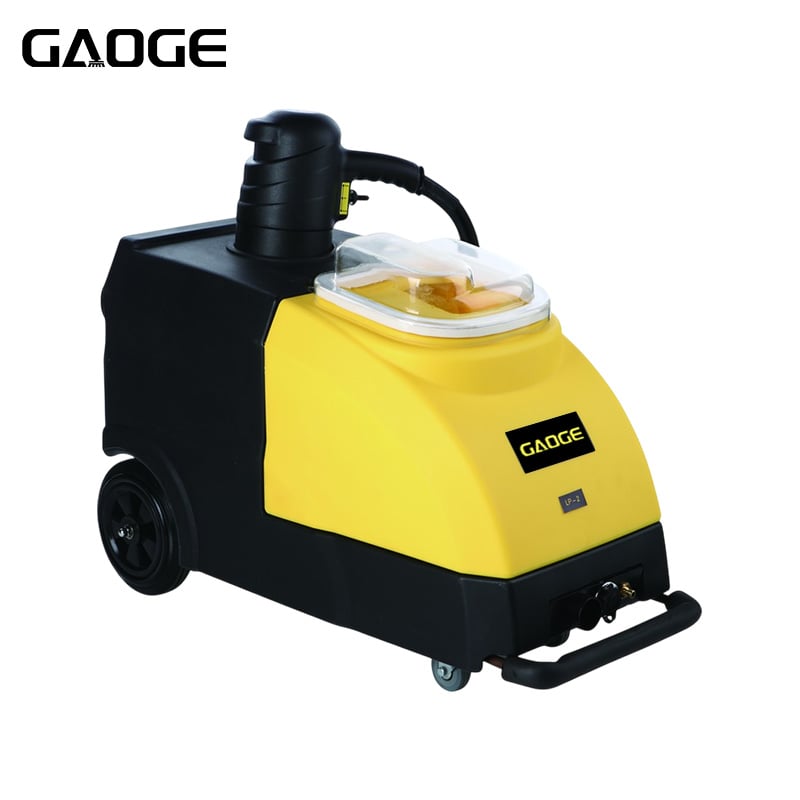
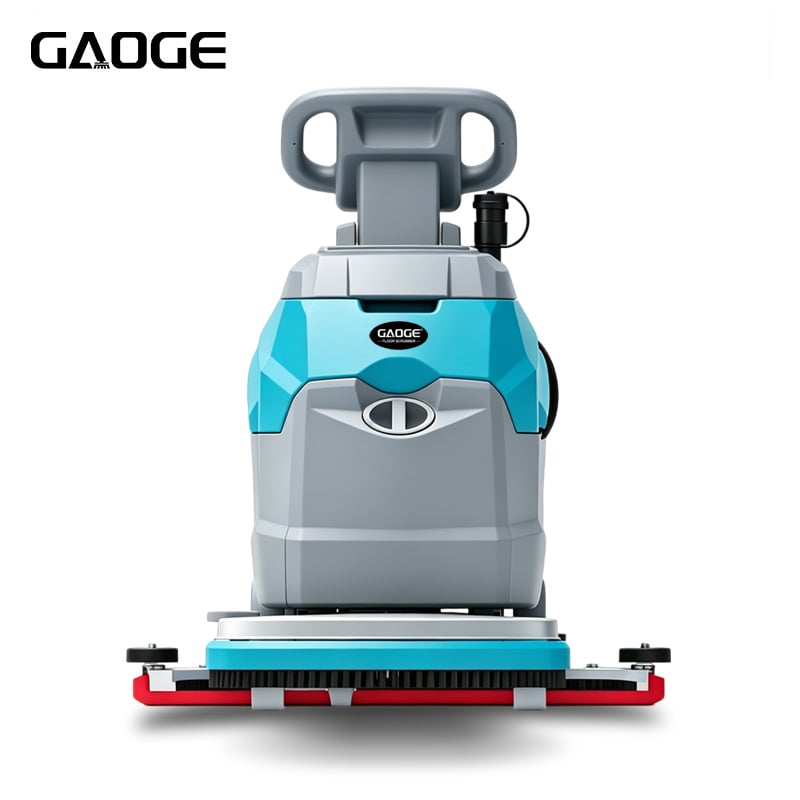
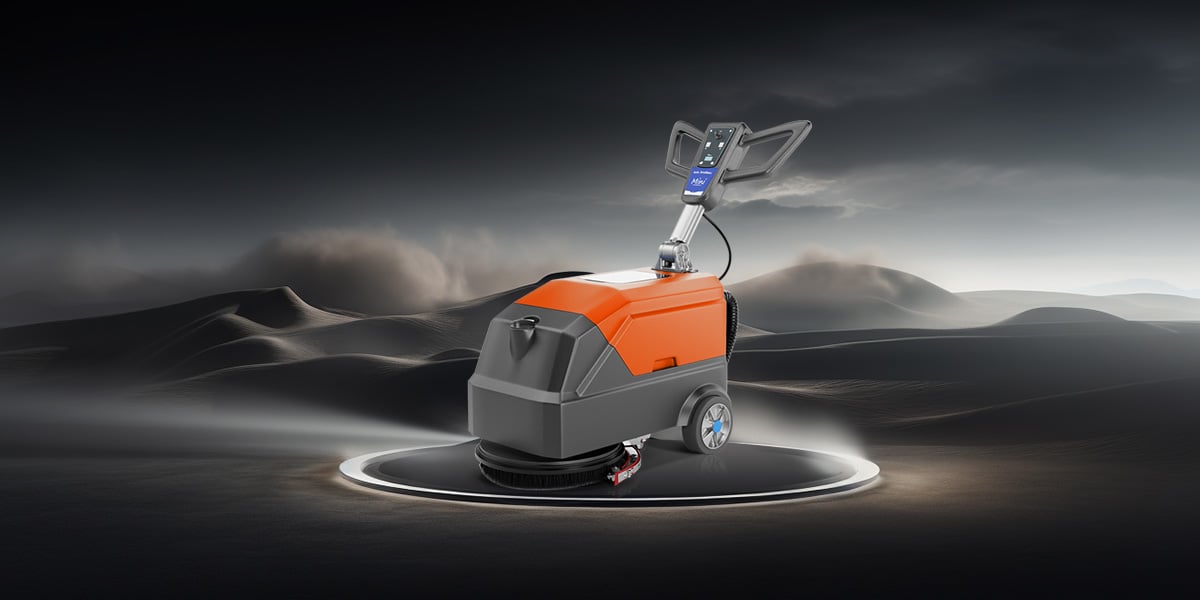
Prošetači za podovima su dizajnirani posebno za rad na uskim prostorima koje obična oprema za čišćenje ne može dosegnuti. S okvirima širine ispod 30 inča, oni se skliznu ravno pored uskih prolaza i drugih teško dostupnih mjesta. Ono što ih zaista izdvaja je njihova funkcija nulte radijuse zaokreta koja omogućuje operateru da se okrene na desetak, čineći te brze okrete od 180 stupnjeva bez potrebe da se prvo povuku. To je jako važno kada radite oko skladišnih paleta ili kolica bolničke opreme koje blokiraju puteve. Mašine također ostaju nisko na zemlji, manje od 42 inča visine, tako da se neće zaglaviti na standardnim policama, a pritom pritisnuti dovoljno da se učinkovito očisti. Svi ovi elementi zajedno smanjuju vrijeme čišćenja od 15 do 25 posto u nerednim prostorijama. Čistači sada mogu ići od zida do zida u jednom brzaka umjesto da nedostaju mjesta duž podnožja. Za tvrtke u kojima je svaki kvadratni centimetar važan i efikasnost rada se direktno prevodi u uštede prihoda, ovi kompaktni, ali snažni čistači postali su neophodni alati.
Današnji prolaznici iza podnih čistača stavljaju kontrolu operatora na prvo mjesto s upravljačkim sustavima koji reagiraju gotovo odmah kada netko okrene ručicu. Ovi strojevi nisu kao one velike vožnje koje se zaglavi u uglovima. Čistači mogu manevrirati oko uskih prostora između polica, opreme i drugih stvari bez da im nedostaju dijelovi poda. Većina modela ima ovu stvarno kompaktnu konstrukciju (obično sužu od standardnih čistačkih kolica) plus oni se okreću na desetak dinara, tako da radnici mogu prilagoditi svoj put dok se kreću naprijed umjesto zaustavljanja i restarta. Ljudi koji redovito čiste objekte kažu da im nedostaje oko pola mjesta nego prije prilikom prelaska s većih strojeva. Zašto? Kada netko rukom upravlja strojem, nema mrtvih točaka kao kod većih automatskih sustava ili onih neugodnih čistača velikog formata koji jednostavno ne mogu proći kroz uske prozore.
Jedna bolnička mreža na Srednjem zapadu vidjela je vrijeme čišćenja skočiti za oko 55% u tim uskim hodnicima ispod 8 metara širine jer su prešli na manje hodanje iza čistača koji se uklapaju kroz vrata bez problema. Strojevi se tako precizno kreću da je potrošnja vode pala za oko 30%, a osoblje više ne udara u okvire vrata ili ne udara u stolice za infuziju tijekom rundi. Sestre sada mogu proći 18 prolaza kroz krila pacijenata u svakoj smjeni umjesto samo 12 kada koriste veću opremu, što je sve drugačije kada pokušavaju zadržati infekcije na rubu u prometnim područjima. Pogledajte što se događa u cijelom sektoru, otprilike dvije trećine zdravstvenih centara i maloprodajnih prostora prešli su na ove kompaktne perilice za rad u uskim mjestima. Većina kaže da se slobodno kretati pobjeđuje brigu o tome koliko će baterije trajati, prema istraživanju ISSA-e iz prošle godine.
Mnogi ručni perili dolaze s velikim baterijama, što se hrani uobičajenim vjerovanjem da duže vožnje znači bolje radno vrijeme. Ali kada govorimo o tim stvarno uskim prostorima manjim od 36 inča širine, ulazak tamo je važniji nego koliko dugo stroj može raditi. Upravitelji skladišta koji se previše fokusiraju na kapacitet baterije umjesto na to kako se stroj dobro kreće zapravo završavaju propuštajući pravilno čišćenje. Neke studije pokazuju da standardni vožnje-on ne može očistiti oko 60% tih uskih uglova jednostavno zato što ne mogu proći. Tamo sjaje i čistači za šutnju. Njihov manji otisak omogućuje im da se bez problema kreću između polica i strojeva. Za svakoga tko kupuje opremu za rad u malim prostorima, ono što se stvarno računa nije koliko sati baterija traje, već koliko se površine podu zapravo čisti tijekom svake smjene.
ISSA-ino najnovije istraživanje industrije iz 2023. pokazuje da su oko dvije trećine maloprodajnih trgovina i zdravstvenih ustanova prešle na hodanje iza strojeva kada se bave uskim prostorima. Ima smisla, s obzirom da su prolazi za prodaju samo oko 32 inča široki, dok bolnice trebaju posebnu pažnju da čuvaju hodnike čistima bez širenja kontaminanta. Prodavnice koje su prešle na ove manje perilice tvrde da mogu očistiti područja ispod 36 inča širine gotovo dvostruko brže nego što bi mogli s većom opremom. Plus, operaterima je lakše na tijelu nakon što provode sate čisteći podove. Svi ovi dokazi iz stvarnog svijeta ukazuju na jednu stvar: nije u pitanju veličina stroja, već je li ušao u raspoloživi prostor najvažniji za učinkovito čišćenje u objektima gdje je prostor u premium.
Koje su prednosti korištenja oprema za čišćenje podova u uskim prostorima?
Skloni za pod su posebno dizajnirani za kretanje kroz uske prolaze i hodnike, pružajući superiornu manevarsku sposobnost s njihovim radijusom od nula okreća i kompaktnim otiskom. Idealne su za područja s manje od 36 inča prostora.
Kako čistači koji se koriste iza njih poboljšavaju učinkovitost čišćenja?
Ovi strojevi smanjuju vrijeme čišćenja za 15 do 25 posto u nerednim prostorijama, omogućavajući osoblju da redovito čisti od zida do zida bez da nedostaje bilo kakvih mrlja. Također troše manje vode i smanjuju opasnost od sudara, što poboljšava ukupnu učinkovitost čišćenja.
Zašto se preporučuju čistilice za hodanje iza nego za vožnju na uskim prostorima?
S druge strane, u slučaju da se ne koristiju za čišćenje, ne smiju se koristiti za čišćenje. Oni omogućuju bolju kontrolu i pokrivenost u uslovima zategnutih, osiguravajući temeljno čišćenje.
 Vruće vijesti
2026-10-16
2026-09-11
2026-08-25
2026-05-01
2026-04-27
2026-03-06



Tvornica Gaoge podržava OEM i ODM, ima vrste proizvodnih linija za opremu za čišćenje s više od 10 godina iskustva. Glavni proizvodi su mini perači podova, perači podova za hodanje, perači podova za vožnju na podovima, stroj za čišćenje ......
Gaoqiao Industrial Park, Jingang Town,Suzhou, Jiangsu, China
Copyright © 2025 Zhangjiagang Gaoge Cleaning Equipment Co., Ltd.All rights reserved. Politika privatnosti
 EN
EN